Uncategorized
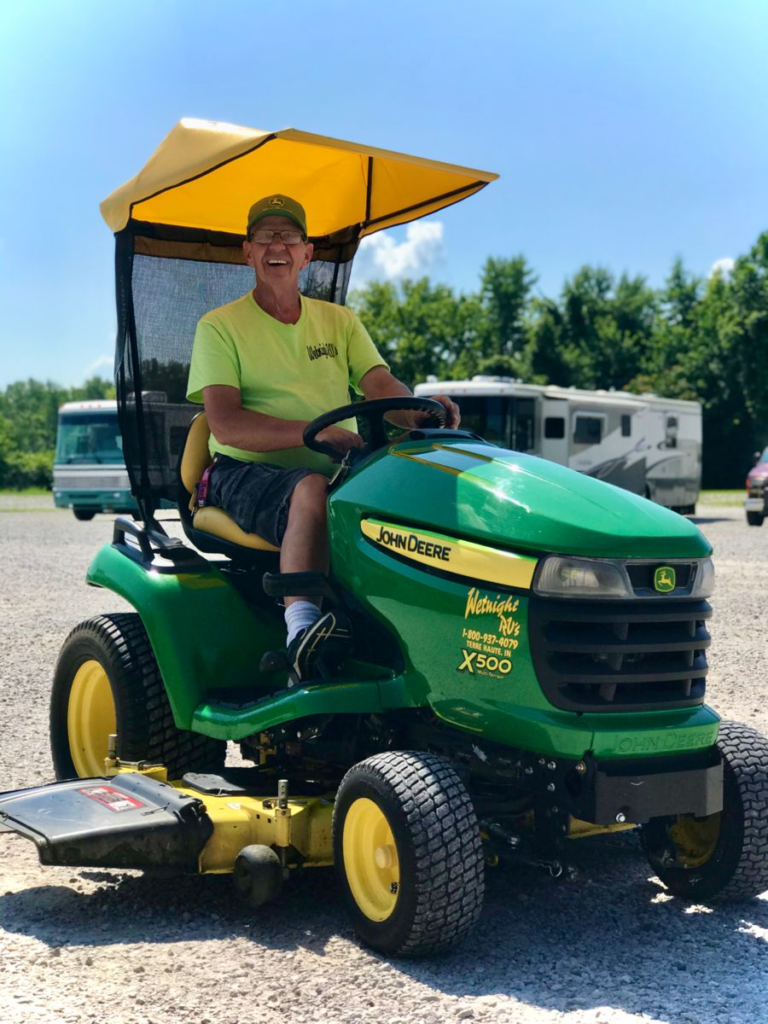
JD X500: Complete Guide to the best X500 Lawn Tractor Series
Mar
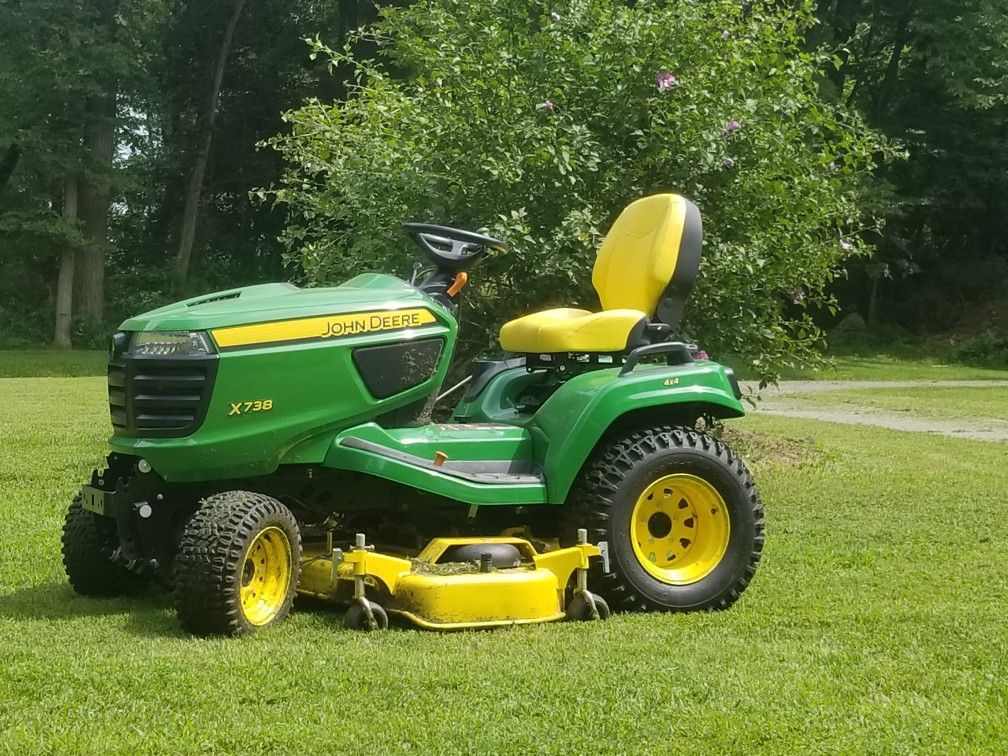
JD X500 and X500 lawn tractor guide covering features, performance, maintenance, comparisons, attachments, and buying considerations for homeowners seeking durability and premium mowing results.
JD X500 is widely recognized as a premium lawn tractor series built for homeowners who demand durability, comfort, and professional-grade results. The X500 lineup delivers a balance between residential usability and heavy-duty performance, making it a popular choice for larger properties and demanding mowing conditions. This in-depth guide explores design, specifications, capabilities, attachments, maintenance considerations, and frequently asked questions to help you determine whether the X500 platform is the right investment for your lawn care needs.
What Is the JD X500 and Who Is It Designed For?
The JD X500 series is positioned above entry-level lawn tractors and below full commercial equipment. It is built for:
- Large residential properties
- Estate owners
- Property managers
- Homeowners with uneven terrain
- Users requiring attachment versatility
Unlike basic lawn tractors, the X500 series emphasizes heavy-duty frames, powerful engines, improved steering systems, and advanced deck performance.
Why Is the X500 Considered a Premium Lawn Tractor?
The premium classification of the X500 comes from several distinguishing factors:
- Reinforced frame construction
- Advanced hydrostatic transmission
- High-capacity mowing decks
- Strong engine performance
- Superior operator comfort
These elements combine to create a machine capable of handling thick grass, slopes, and extended mowing sessions.
Frame Construction and Durability
The X500 platform features a heavy-duty frame engineered to resist twisting and long-term wear. Thicker steel components and reinforced weld points improve structural integrity compared to standard lawn tractors.
Durability plays a central role in the X500 identity. Owners often select this series specifically for longevity and minimal structural fatigue.
Steering and Handling Performance
One notable feature in the X500 family is improved steering responsiveness. Certain models incorporate enhanced steering mechanisms that provide tighter turning capabilities, making it easier to navigate around landscaping features and obstacles.
How Does the JD X500 Handle Slopes?
The X500 is built with traction and stability in mind. Wide tires and balanced weight distribution contribute to improved hillside performance. However, users must always operate within recommended slope limits for safety.
Engine Performance and Power Delivery
What Engine Powers the X500 Series?
The X500 models are equipped with robust gasoline engines known for smooth power delivery and reliability. Engine displacement and horsepower ratings vary by configuration, but they are generally designed to handle demanding mowing tasks and attachments.
Is the JD X500 Powerful Enough for Thick Grass?
Yes, the X500 is engineered to manage thick, wet, or overgrown grass more effectively than entry-level tractors. Its engine torque and deck design support consistent cutting even in challenging conditions.
Fuel Efficiency and Runtime
While performance is prioritized, fuel consumption remains reasonable for a machine in this class. Proper maintenance ensures optimal efficiency and steady output.
Mower Deck Options for X500
What Cutting Deck Sizes Are Available for the JD X500?
Deck size options typically range between mid-size and larger configurations, allowing property owners to choose a width suited to their acreage.
Common considerations include:
- Property size
- Storage space
- Terrain complexity
- Gate width access
How Does the X500 Deck Improve Cutting Quality?
The deck design on the X500 emphasizes airflow management and blade efficiency. Improved lift and discharge systems ensure:
- Even grass distribution
- Reduced clumping
- Cleaner striping results
High-performance blades further enhance overall cut consistency.
Comfort Features of the JD X500
Why Is Operator Comfort Important in the X500?
Mowing large properties can require hours of operation. The X500 includes comfort-oriented features such as:
- Adjustable seating
- Ergonomic control placement
- Smooth ride characteristics
- Reduced vibration

Does the JD X500 Offer Suspension Enhancements?
Certain variations in the X500 family incorporate improved ride comfort technologies that reduce fatigue during extended use.
Attachments and Versatility of X500
One of the defining strengths of the X500 platform is attachment compatibility.
What Attachments Can Be Used with the JD X500?
Common attachments include:
- Snow blowers
- Front blades
- Bagging systems
- Mulch kits
- Tow-behind carts
- Aerators
- Spreaders
This versatility allows the X500 to function beyond mowing season.
Can the X500 Be Used Year-Round?
Yes, with the appropriate attachments, the X500 transforms into a multi-season property maintenance solution.
Transmission and Drive System
What Type of Transmission Does the JD X500 Use?
The X500 typically utilizes advanced hydrostatic transmission systems designed for smooth acceleration and precise speed control.
Hydrostatic transmissions provide:
- Seamless directional changes
- Variable speed control
- Reduced mechanical complexity
Is the JD X500 Easy to Operate for Beginners?
Despite its power, the X500 remains intuitive. Controls are designed for ease of use, making it accessible even to those transitioning from smaller lawn tractors.
Maintenance and Longevity of the X500
How Often Should the JD X500 Be Serviced?
Routine maintenance includes:
- Oil changes
- Air filter inspection
- Blade sharpening
- Belt inspection
- Tire pressure checks
Following recommended service intervals extends the life of the X500 significantly.
Is the X500 Easy to Maintain?
The design allows relatively straightforward access to service points, simplifying routine upkeep.
Comparing JD X500 to Other Lawn Tractor Categories
How Does the JD X500 Compare to Entry-Level Lawn Tractors?
Compared to entry-level models, the X500 offers:
- Stronger frame construction
- Higher torque engines
- Better cutting performance
- Greater attachment compatibility
- Increased lifespan
Is the X500 a Commercial-Grade Machine?
While not a full commercial zero-turn, the X500 bridges the gap between residential and professional equipment.
Buying Considerations for JD X500
What Property Size Is Ideal for the X500?
The X500 is particularly suited for properties larger than one acre, especially those with uneven terrain.
Is the JD X500 Worth the Investment?
For homeowners seeking durability, performance, and multi-season functionality, the X500 offers strong long-term value.
Safety Features in the X500 Series
What Safety Systems Are Included in the JD X500?
Safety mechanisms generally include:
- Operator presence systems
- Blade disengagement controls
- Parking brake integration
- Stability-focused design
Safety awareness remains essential regardless of equipment quality.
Storage and Space Requirements
How Much Storage Space Does the JD X500 Require?
Because of its larger frame, adequate garage or shed space is necessary. Owners should consider:
- Deck width
- Turning radius
- Attachment storage
Environmental Considerations
Is the JD X500 Environmentally Responsible?
While gasoline-powered, proper maintenance minimizes emissions and ensures efficient combustion. Mulching capabilities also promote natural lawn fertilization.
Common Questions About JD X500
What Makes the JD X500 Different from Similar Models?
The difference lies in:
- Structural strength
- Power output
- Premium comfort
- Attachment diversity
How Long Does the X500 Typically Last?
With proper maintenance, the X500 can provide many years of dependable operation.
Can the JD X500 Tow Equipment?
Yes, the X500 is capable of towing compatible yard tools and utility carts within recommended limits.
Advanced Performance Insights on X500
The X500 is engineered to provide consistent torque output across varying loads. Its drivetrain stability allows reliable power transfer even when mowing dense grass.
Cutting precision is enhanced by deck geometry, blade speed, and airflow efficiency. These factors collectively ensure that the X500 delivers uniform cutting patterns.
Ownership Experience with JD X500
Owners frequently cite:
- Reliability
- Reduced downtime
- Smooth ride
- Strong resale value
Long-term ownership costs remain manageable when maintenance schedules are followed diligently.
Future Outlook of the X500 Platform
The X500 platform continues to evolve with design improvements, enhanced ergonomics, and performance refinements. As property sizes increase and homeowners demand higher-quality finishes, machines like the X500 remain highly relevant.
Final Thoughts on JD X500
JD X500 represents a premium lawn tractor solution tailored for serious homeowners who prioritize durability and cutting performance. The X500 series balances power, comfort, and versatility in a way that distinguishes it from standard residential tractors.
For those seeking a machine capable of tackling large lawns, seasonal attachments, and demanding mowing conditions, the X500 remains a compelling option. Careful evaluation of property size, terrain type, and intended usage will determine whether the JD X500 aligns with your long-term lawn care strategy.
Performance Testing and Real-World Applications
When evaluating a premium lawn tractor platform, real-world testing provides insights beyond technical specifications. Machines in this category are often used on properties with varied terrain, mixed grass types, and seasonal weather challenges. Performance depends not only on horsepower ratings but also on deck design, traction stability, and operator control.
How Does It Perform on Uneven Terrain?
Properties with rolling hills, shallow slopes, and tree-lined edges require stability and consistent traction. A well-balanced chassis, wide wheelbase, and responsive steering system contribute to improved hillside handling. Operators typically report smoother tracking when mowing across moderate inclines rather than directly up and down slopes, following recommended safety guidelines.
Can It Handle Long Mowing Sessions?
Extended mowing sessions are common on larger estates. Engine cooling efficiency, vibration management, and ergonomic seat support all influence operator fatigue. Machines in this class are built to sustain longer runtime intervals without noticeable performance drops, provided maintenance schedules are followed carefully.
Cutting Technology and Blade Performance
High-quality mowing results depend on airflow engineering, blade speed, and deck shape. Modern mower decks are designed to generate consistent lift, ensuring grass blades stand upright before cutting. This results in a cleaner, more uniform finish.
What Contributes to a Clean Cut?
Several factors improve cut quality:
- Balanced blade rotation
- Optimized discharge channels
- Adjustable cutting heights
- Durable spindle assemblies
Regular blade sharpening significantly enhances performance. Dull blades tear grass rather than slicing it cleanly, which can lead to browning and lawn stress.
Is Striping Possible?
Yes, achieving visible lawn striping depends on grass type, mowing direction, and rear roller or striping kit accessories. Many homeowners appreciate striping aesthetics for a professional finish.
Transmission Reliability and Drive Experience
Hydrostatic drive systems dominate this equipment class due to their smooth acceleration and ease of control. Unlike manual gear systems, hydrostatic transmissions allow infinite speed variation within a defined range.
Why Is Hydrostatic Drive Preferred?
Advantages include:
- Seamless forward and reverse shifting
- Reduced mechanical wear from gear changes
- Improved maneuverability around landscaping
These systems simplify operation for both beginners and experienced users.
Seasonal Versatility and Multi-Tasking Capability
Premium lawn tractors are often valued for their ability to support attachments beyond mowing season. A strong frame and capable transmission expand their utility.
What Tasks Can Be Handled Outside of Mowing?
With compatible attachments, property owners can perform:
- Snow removal
- Lawn aeration
- Leaf collection
- Fertilizer spreading
- Towing light-duty trailers
This multi-season adaptability enhances overall return on investment.
Maintenance Planning and Service Intervals
Proper maintenance extends equipment lifespan and ensures consistent operation.
What Is the Recommended Maintenance Routine?
Common service tasks include:
- Oil and filter replacement
- Air filter inspection
- Spark plug checks
- Belt condition monitoring
- Blade sharpening
- Greasing pivot points
Documenting maintenance intervals improves resale value and ensures mechanical reliability.
Are Replacement Parts Readily Available?
Established equipment brands typically maintain strong parts distribution networks. Availability of genuine parts supports long-term serviceability and minimizes downtime.
Fuel System and Efficiency Considerations
Fuel efficiency varies depending on terrain, grass thickness, and deck width. While larger engines consume more fuel than compact tractors, they complete mowing tasks more quickly.
How Can Fuel Consumption Be Reduced?
- Avoid mowing wet grass
- Maintain sharp blades
- Keep tire pressure balanced
- Follow recommended throttle settings
Routine care optimizes combustion efficiency and minimizes waste.
Noise Levels and Environmental Impact
Gasoline-powered lawn tractors produce moderate noise levels. Operators may use hearing protection during prolonged operation.
Are There Eco-Conscious Alternatives?
Electric and battery-powered riding mowers are emerging in the market. However, gasoline-powered tractors remain dominant for larger properties requiring sustained torque output.
Storage Best Practices
Proper storage protects against corrosion and premature wear.
How Should Equipment Be Stored During Off-Season?
- Clean grass buildup from deck
- Stabilize fuel
- Store in a dry, covered area
- Disconnect battery if unused for extended periods
Winterizing procedures preserve engine components and extend overall lifespan.
Resale Value and Long-Term Investment
Durability and brand reputation influence resale value. Well-maintained units often retain strong market appeal.
Does Maintenance Affect Resale?
Yes. Prospective buyers frequently request maintenance records. Consistent servicing demonstrates responsible ownership and supports higher resale pricing.
Operator Safety Guidelines
Safety remains critical when operating any lawn tractor.
What Safety Practices Should Be Followed?
- Avoid steep slopes beyond recommended limits
- Keep children and pets away during operation
- Engage parking brake before dismounting
- Disengage blades when crossing gravel paths
Proper training reduces risk of accidents and equipment damage.
Ergonomic Considerations and Operator Comfort
Long mowing sessions demand ergonomic design.
What Enhances Comfort?
- Adjustable seating
- Easy-to-reach controls
- Low vibration levels
- Smooth steering feedback
Fatigue reduction contributes to safer and more efficient operation.
Technology Integration and Modern Features
Some models in this performance tier incorporate advanced features such as:
- Electronic fuel management systems
- Digital hour meters
- Improved dashboard layouts
These additions enhance monitoring and simplify maintenance scheduling.
Common Ownership Questions
How Large of a Lawn Justifies a Premium Tractor?
Properties exceeding one acre with complex layouts often benefit most from heavy-duty lawn tractors.
Is It Suitable for First-Time Buyers?
While powerful, machines in this category remain user-friendly with intuitive controls. Beginners should review operating manuals carefully and practice in open areas before navigating tight spaces.
How Long Can a Well-Maintained Unit Last?
With consistent maintenance and proper storage, lifespan can extend well beyond a decade.
Comparing to Zero-Turn Alternatives
Zero-turn mowers offer exceptional maneuverability but may lack towing versatility.
Which Option Is Better?
The choice depends on property layout and intended tasks. Lawn tractors excel in multi-purpose use, while zero-turn machines prioritize speed and turning precision.
Terrain Adaptability and Tire Selection
Tire design impacts traction and soil impact.
Are Turf Tires Recommended?
Turf-friendly tires minimize lawn damage while maintaining adequate grip. For muddy conditions, specialized tread patterns may improve stability.
Warranty Considerations
Manufacturer warranties vary by model and region.
What Should Buyers Review Before Purchase?
- Length of coverage
- Engine warranty terms
- Coverage exclusions
- Authorized service centers
Understanding warranty terms protects long-term investment.
Final Extended Insights
Premium lawn tractors are designed for durability, multi-season functionality, and consistent performance. Their structural strength, capable engines, and attachment compatibility make them valuable for large residential properties.
When evaluating options, consider property size, terrain complexity, maintenance commitment, and storage availability. A carefully selected machine can serve as a long-term property maintenance solution, delivering reliable performance year after year.
Advanced Buying Strategy and Evaluation Criteria
Choosing a premium lawn tractor involves more than reviewing horsepower numbers or deck width. A strategic evaluation ensures the equipment aligns with both short-term lawn care needs and long-term property management goals.
What Should Be Prioritized During Purchase?
When evaluating a machine in this category, consider:
- Property acreage and terrain variation
- Frequency of mowing sessions
- Seasonal attachment needs
- Storage capacity
- Budget flexibility
- Dealer proximity and service access
Buyers who carefully assess these criteria reduce the risk of overspending or underbuying.
Long-Term Cost of Ownership
Beyond initial purchase price, long-term ownership costs include maintenance, fuel, replacement parts, and potential repairs.
How Can Owners Control Lifetime Costs?
Cost efficiency improves when:
- Maintenance schedules are followed consistently
- Genuine replacement parts are used
- Equipment is cleaned after every mowing session
- Fuel stabilizer is added during storage periods
- Tires are maintained at correct pressure
Preventive care significantly reduces unexpected repair expenses.
Performance Under Heavy Load Conditions
Premium lawn tractors are often expected to handle dense grass, damp conditions, and light towing duties.
Does Performance Drop in Wet Conditions?
Mowing wet grass can impact cut quality and discharge efficiency. Even powerful machines may experience minor clumping when grass is saturated. To maintain optimal results:
- Avoid mowing immediately after rainfall
- Increase cutting height temporarily
- Sharpen blades regularly
Operating within recommended guidelines ensures consistent performance.
Mulching, Bagging, and Side Discharge Options
Grass management options influence lawn health and appearance.
Which Discharge Method Is Best?
Each method offers advantages:
Mulching:
- Returns nutrients to soil
- Reduces need for fertilizer
- Minimizes debris disposal
Bagging:
- Provides clean finish
- Ideal for leaf collection
- Reduces visible clippings
Side discharge:
- Efficient for large, open areas
- Handles heavy grass growth well
Selecting the right system depends on property goals and maintenance preferences.
Traction and Stability Engineering
Stability is essential when mowing slopes or uneven surfaces.
What Improves Stability?
- Wide wheelbase
- Balanced weight distribution
- Proper tire tread selection
- Gradual steering inputs
Maintaining traction reduces turf damage and enhances safety.
Engine Cooling and Airflow Management
Air-cooled engines rely on unobstructed airflow for temperature regulation.
How Can Overheating Be Prevented?
- Remove grass buildup around engine housing
- Replace clogged air filters
- Monitor oil levels
- Keep cooling fins clear
Routine inspection protects engine integrity.
Storage Solutions and Space Optimization
Because premium tractors are larger than entry-level machines, planning storage space is important.
What Is the Ideal Storage Environment?
- Dry and ventilated shed or garage
- Covered protection from rain and sunlight
- Elevated storage for attachments
- Adequate clearance for maneuvering
Proper storage preserves paint finish and mechanical components.
Tire Care and Ground Protection
Maintaining healthy turf requires proper tire management.
How Do Tires Affect Lawn Appearance?
Underinflated tires can leave uneven tracks, while overinflated tires may reduce traction. Regular pressure checks ensure smooth mowing patterns.
For delicate lawns, turf-specific tires are recommended to minimize soil compaction.
Noise Management and Operator Protection
Extended mowing sessions can expose operators to moderate sound levels.
What Protective Measures Are Recommended?
- Hearing protection
- Safety glasses
- Closed-toe footwear
- Gloves for vibration reduction
Safety gear contributes to long-term comfort and injury prevention.
Attachment Installation and Removal
Seasonal versatility depends on easy attachment swapping.
Is Installation Complicated?
Most compatible attachments are designed for straightforward installation with minimal tools. However, reviewing manufacturer guidelines ensures proper mounting and safe operation.
Weather Considerations and Operating Conditions
Weather directly influences mowing quality.
Should Mowing Be Avoided in Extreme Heat?
Extreme heat can stress both the operator and engine. Early morning or late afternoon mowing is often recommended during hot seasons.
Cold weather preparation includes fuel stabilization and battery care.
Battery Care and Electrical System
Electric start systems rely on properly maintained batteries.
How Can Battery Life Be Extended?
- Store in dry environment
- Charge periodically during off-season
- Clean terminals to prevent corrosion
Neglecting battery maintenance may result in starting issues.
User Experience and Operational Confidence
Ease of operation plays a major role in ownership satisfaction.
How Quickly Can New Owners Adapt?
Most users adapt quickly due to intuitive pedal controls, steering feedback, and ergonomic layouts. Reading the operator manual enhances confidence and safety awareness.
Warranty and Dealer Support Importance
Dealer access influences long-term satisfaction.
Why Is Local Service Availability Important?
- Faster repair turnaround
- Access to certified technicians
- Genuine parts availability
- Professional maintenance support
Reliable service networks protect equipment value.
Resale Strategy and Market Demand
Premium lawn tractors often maintain resale demand due to brand recognition and durability.
How Can Resale Value Be Preserved?
- Maintain service documentation
- Avoid cosmetic damage
- Clean equipment thoroughly before listing
- Replace worn components before sale
Well-maintained units command higher resale prices.
Productivity Enhancements
Owners seeking efficiency may consider accessories that improve workflow.
What Enhancements Increase Productivity?
- High-capacity baggers
- Striping kits
- Tow-behind spreaders
- Utility carts
Strategic add-ons maximize seasonal efficiency.
Comparative Evaluation with Mid-Range Models
Buyers often compare premium tractors to mid-range alternatives.
What Justifies Upgrading?
Upgrading typically provides:
- Stronger chassis construction
- Improved ride comfort
- Increased attachment compatibility
- Greater engine durability
These benefits become noticeable over years of ownership.
Maintenance Record Keeping
Documenting service history is often overlooked but highly beneficial.
Why Keep Maintenance Logs?
- Tracks service intervals
- Identifies recurring issues
- Supports warranty claims
- Enhances resale value
Digital logs or printed checklists simplify tracking.
Safety Training for Household Members
If multiple family members operate the tractor, basic training is recommended.
What Should New Operators Learn?
- Blade engagement procedures
- Proper parking technique
- Safe turning on slopes
- Emergency shutdown methods
Safety awareness reduces risk and builds confidence.
Future-Proofing Your Investment
As property needs evolve, versatility becomes increasingly valuable.
Can the Equipment Adapt to Property Expansion?
Yes. Its capacity for larger decks and attachments allows adaptation to growing acreage or additional landscaping responsibilities.
Final Extended Perspective
Premium lawn tractors represent a balance between power, versatility, and comfort. When chosen thoughtfully and maintained diligently, they serve as reliable property management tools for years.
Careful evaluation of terrain, property size, seasonal tasks, and long-term maintenance commitment ensures that the investment delivers consistent returns. By prioritizing durability, operator safety, and structured upkeep, owners can maximize both performance and longevity.
