

Electric lawn mowers

Electric lawn mowers

Electric lawn mowers

Electric lawn mowers
Electric lawn mowers

Electric lawn mowers
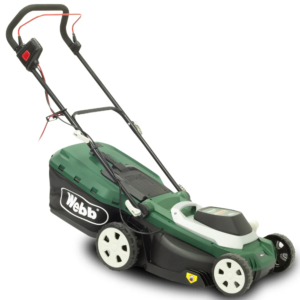
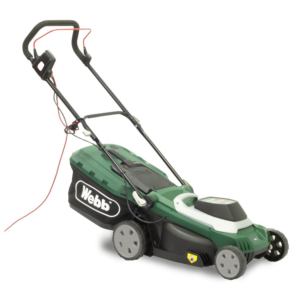
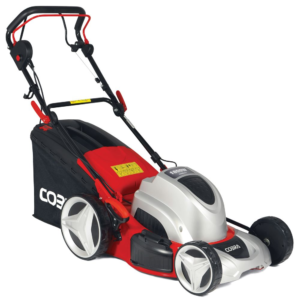
Webb WEER40RR Electric Rotary Lawn Mower – Powerful Supreme 40cm Lawn Cutting Performance

Electric lawn mowers

Electric lawn mowers


Electric lawn mowers

Electric lawn mowers
Electric lawn mowers
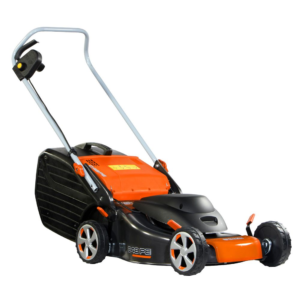
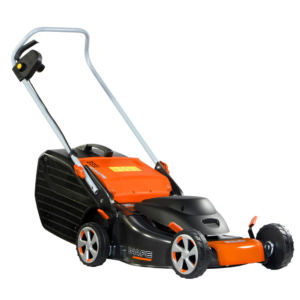
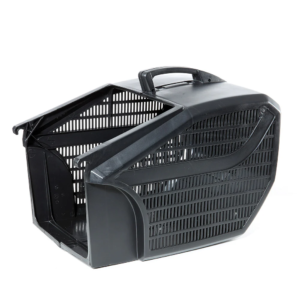
Powerful Oleo-Mac G 44 PE Comfort Plus Electric Lawn Mower – 1500W Steel Deck Mower
Electric Lawn Mowers: The Best, Most Powerful & Surprisingly Affordable Options Today
If you haven’t seriously considered electric lawn mowers in the last two or three years, it’s time to take another look. The technology has changed dramatically. What was once a category defined by underpowered, cord-tangling machines suitable only for the smallest of yards has evolved into a robust, impressive lineup of cordless and corded mowers that compete head-to-head with gas-powered equipment on nearly every meaningful performance metric.
Today’s best electric lawn mowers start instantly with the push of a button, run quietly enough that your neighbors won’t even know you’re mowing, require virtually no routine maintenance, and produce zero direct emissions while delivering a clean, precise cut across a wide range of grass types and yard sizes. For the majority of suburban homeowners, an electric lawn mower is no longer a compromise — it’s genuinely the smarter choice.
This comprehensive guide covers everything you need to know about electric lawn mowers in 2024: the different types available, the leading brands worth your money, what separates a great electric mower from a mediocre one, and how to choose the right model for your specific lawn, lifestyle, and budget. Whether you’re a first-time buyer or upgrading from an aging gas mower, this guide gives you everything you need to make a confident, well-informed decision.

Why Electric Lawn Mowers Are Winning Over Homeowners Everywhere
The shift toward electric lawn mowers isn’t a trend driven by environmental enthusiasm alone — it’s being driven by practical, everyday advantages that homeowners experience directly every time they mow.
No More Pull-Cord Frustration
Anyone who has spent five minutes yanking a stubborn pull cord on a cold morning understands the particular misery of a gas mower that won’t start. Electric lawn mowers eliminate this problem entirely. Push a button, squeeze a lever, and the mower starts — every single time, regardless of temperature, humidity, or how long it’s been sitting in your garage since last fall.
Dramatically Lower Maintenance Requirements
Gas mowers demand regular attention: seasonal oil changes, spark plug replacements, air filter cleaning or replacement, carburetor maintenance, and fuel system management. Electric lawn mowers require almost none of this. Keep the battery charged, keep the blade sharp, and clean the deck occasionally — that’s essentially the complete maintenance checklist for most electric models.
Quiet Enough for Early Morning or Evening Mowing
Gas mowers typically operate at 85–95 decibels — loud enough to require hearing protection with prolonged use, and certainly loud enough to disturb neighbors, sleeping family members, or anyone trying to enjoy a quiet morning outdoors. Electric lawn mowers operate at approximately 60–75 decibels — roughly equivalent to a normal conversation or the sound of a dishwasher running. This quiet operation opens up mowing windows that gas users simply don’t have access to.
Zero Direct Emissions at the Point of Use
Gas-powered lawn mowers produce significant emissions — the EPA estimates that operating a gas lawn mower for one hour produces as much pollution as driving a car for roughly 45 miles. Electric lawn mowers produce zero direct emissions, improving air quality in your immediate environment and contributing to broader environmental goals without requiring any sacrifice in lawn care quality.
A Rapidly Expanding and Improving Product Range
The electric lawn mower market has attracted serious investment from both established outdoor equipment brands and technology-focused newcomers. The result is a product range that now covers virtually every yard size, terrain type, and budget level — from compact reel-style mowers for tiny urban lawns to heavy-duty self-propelled models capable of handling half-acre suburban properties with ease.
Types of Electric Lawn Mowers: Finding the Right Category for Your Yard
Electric lawn mowers break down into two primary categories — cordless battery-powered models and corded plug-in models — each with distinct advantages depending on your yard size, layout, and priorities.
Cordless Battery-Powered Electric Lawn Mowers
Battery-powered electric lawn mowers are the fastest-growing segment of the entire lawn care equipment market, and for good reason. They combine the freedom of movement of gas mowers with the convenience and low maintenance of electric power.
Modern cordless electric lawn mowers are powered by lithium-ion battery platforms ranging from 40V to 80V, with battery capacities from 2.0 Ah to 12.0 Ah and beyond. The voltage rating indicates the power level — higher voltage generally means more torque and better performance in demanding conditions. The amp-hour (Ah) rating indicates capacity — higher Ah batteries run longer before requiring a recharge.
Typical run time by battery size:
- 2.0–4.0 Ah battery: 20–35 minutes (suitable for small yards up to 1/8 acre)
- 5.0–7.5 Ah battery: 40–60 minutes (suitable for yards up to 1/3 acre)
- 10.0 Ah and above: 60–90+ minutes (suitable for yards up to 1/2 acre or larger)
The cordless format gives you the same freedom of movement as a gas mower — no cord to manage, no outlet proximity required, no risk of accidentally running over your power source. For most homeowners, this makes cordless electric lawn mowers the clear winner in the battery vs. corded comparison.
Corded Electric Lawn Mowers
Corded electric mowers plug directly into a standard outdoor outlet via an extension cord and offer unlimited run time as a result — there’s no battery to deplete and no waiting for a recharge. They’re also typically the most affordable electric mowers available, with quality models available at very accessible price points.
The trade-off is obvious: the cord. Managing a 50 to 100-foot extension cord while mowing requires constant attention, can create tripping hazards, and genuinely limits where and how you can mow. The cord also introduces the risk of accidentally cutting through it — an embarrassing and potentially dangerous mistake that most cordless users never have to worry about.
Corded electric mowers are best suited for:
- Very small, simple yards (under 1/4 acre) with easy outlet access
- Homeowners on tight budgets who want electric convenience without the battery premium
- Supplementary use — for example, mowing a small backyard while a cordless handles the front
Self-Propelled vs. Push Electric Lawn Mowers
Within both cordless and corded categories, electric lawn mowers are available in self-propelled and standard push configurations.
Self-propelled electric lawn mowers use a drive motor to propel the mower forward, requiring the user only to guide and steer. This makes a substantial difference on larger yards, inclines, or for users who find prolonged pushing physically demanding. The Yard Force 21″ Self-Propelled RWD Walk Behind Mower with Vertical Storage Technology, available at Sam’s Club, is an excellent example of how self-propelled electric technology has advanced — combining rear-wheel drive traction with a space-saving vertical storage design that makes it a genuinely practical choice for homeowners with limited garage space.
Standard push electric mowers are lighter, simpler, less expensive, and perfectly adequate for smaller, flatter yards where the physical effort of pushing remains manageable throughout the mowing session.
Top Brands in the Electric Lawn Mower Market
Knowing which manufacturers lead the category helps you cut through the noise and focus your research on products that have earned their reputation through consistent real-world performance.
EGO Power+ — The Undisputed Leader in Cordless Electric Lawn Mowers
EGO Power+ is widely regarded as the gold standard in battery-powered outdoor equipment, and their electric lawn mower lineup is the clearest expression of why. Built on their 56V Arc Lithium platform, EGO mowers deliver cutting performance that genuinely rivals comparable gas models — not as a marketing claim, but as a conclusion consistently reached by independent testing organizations and owner reviews alike.
EGO’s flagship mowers — including the LM2135SP Select Cut and the LM2156SP — feature multi-blade cutting systems, weather-resistant construction, variable-speed self-propulsion, and intuitive controls that make them among the easiest high-performance mowers to operate. Their batteries are backward and forward compatible across the entire EGO product ecosystem, meaning the same battery that powers your mower also powers their trimmers, blowers, edgers, chainsaws, and snow blowers.
If budget allows and you want the best cordless electric lawn mower available today, EGO is where the search ends.
Greenworks — The Best Value in Electric Lawn Mowers
Greenworks has carved out a strong position as the premier value brand in the battery-powered mower category. Their 40V and 60V platforms offer genuine performance capability for small to medium yards at price points significantly below EGO or Honda equivalents.
Greenworks mowers are particularly well-suited for homeowners making the transition from gas to electric for the first time — the lower entry price reduces the financial risk of the transition, and the quality is more than adequate for most residential applications. Their 60V self-propelled models in particular represent exceptional value, delivering capable performance that satisfies the needs of the overwhelming majority of suburban lawn care situations.
Ryobi — The Ecosystem Builder’s Choice
Ryobi’s ONE+ and 40V HP battery platforms power one of the most extensive ranges of cordless outdoor equipment available anywhere, and their electric lawn mowers are a compelling entry point into that ecosystem. If you already own Ryobi tools and batteries for other applications, adding a Ryobi electric mower to your toolkit makes obvious practical and financial sense.
Ryobi electric mowers range from compact push models for small yards to self-propelled brushless motor mowers capable of handling medium to large lawns. Their brushless motor models in particular offer significantly better efficiency and longer motor lifespan than brushed alternatives — look for the brushless designation when evaluating Ryobi’s mower lineup.
Milwaukee — Best Electric Lawn Mower for Tool Professionals
Milwaukee’s M18 and MX FUEL platforms are built to professional standards, and their cordless electric mowers reflect that engineering philosophy. Milwaukee electric mowers are heavier-duty than most residential alternatives, featuring robust steel decks, powerful brushless motors, and compatibility with the same M18 batteries used across Milwaukee’s extensive professional tool lineup.
For homeowners who already own significant Milwaukee tool investments, or for those who want genuinely commercial-grade electric mowing capability, Milwaukee’s mower offerings are worth serious consideration — even if the entry price is higher than consumer-focused alternatives.
Worx — Innovative Electric Lawn Mowers at Accessible Prices
Worx consistently brings creative engineering to their product designs, and their electric lawn mowers are no exception. Notable innovations in the Worx lineup include the IntelliCut variable power system, which automatically adjusts motor output based on grass density, and their Aerocart-inspired mulching systems that process clippings more finely than conventional mower decks.
Worx electric mowers occupy a mid-range price tier and are a particularly good option for homeowners who appreciate thoughtful design features and are willing to explore beyond the most well-known brands.
Yard Force — Practical Innovation in Self-Propelled Electric Mowers
Yard Force has emerged as a brand worth watching in the self-propelled electric mower category, combining practical innovation with competitive pricing. Their flagship features — including the vertical storage technology found on their 21″ Self-Propelled RWD model — address real pain points that traditional mower designs have ignored for decades.
The vertical storage design allows the mower to stand upright when not in use, reducing the floor space footprint by up to 70% compared to conventional storage positions. For homeowners with small garages, cramped sheds, or tight storage situations, this is a genuinely valuable feature that separates Yard Force from most competitors in their price range.
Key Features to Look for in Electric Lawn Mowers
Shopping for electric lawn mowers is far more rewarding when you know which features genuinely matter and which are marketing embellishments with limited real-world impact.
Brushless Motor Technology
This is one of the most important specifications to look for in any electric lawn mower. Brushless motors are more efficient, more powerful, produce less heat, and last significantly longer than conventional brushed motors. They extract more usable energy from each battery charge, which directly translates to longer run times and better performance in demanding grass conditions.
Almost every premium electric lawn mower today uses brushless motor technology, and it’s becoming increasingly common in mid-range models as well. If a model is specifically advertised as brushless, that’s a genuinely meaningful quality indicator. If the motor type isn’t mentioned, it’s likely brushed — a point worth noting when comparing otherwise similar models.
Battery Voltage and Capacity
As covered earlier, voltage indicates power level and amp-hours indicate capacity. But the relationship between these two specifications and real-world performance is more nuanced than the numbers alone suggest.
A high-voltage mower with a small battery may actually perform worse than a moderate-voltage mower with a large-capacity battery in extended mowing sessions. When comparing electric lawn mowers, always look at watt-hours (Wh) — calculated by multiplying volts by amp-hours — as the most accurate single indicator of a battery’s total energy storage.
For example:
- 40V × 4.0 Ah = 160 Wh
- 56V × 5.0 Ah = 280 Wh
- 80V × 2.0 Ah = 160 Wh
The 56V / 5.0 Ah combination stores nearly double the energy of either the 40V or 80V example above, despite the 80V having a higher voltage rating.
Cutting Deck Width and Material
Deck width determines mowing efficiency — wider decks cover more ground per pass. For electric lawn mowers, the standard 21-inch deck is appropriate for most residential yards, though wider options (22–30 inches) are available on premium self-propelled models.
Deck material matters too. Steel decks are more durable and resist impact damage better, but they can rust if not properly maintained and add weight to the mower. Polymer or composite decks are lighter, completely rust-proof, and increasingly common on quality electric mowers — though they can crack under severe impact from rocks or debris.
Cutting Height Adjustment System
Single-lever cutting height adjustment — where one lever controls all four wheels simultaneously — is a feature that seems minor until you experience it. Adjusting individual wheel clips on each of four corners every time you change cutting height is tedious and time-consuming. Single-lever adjustment takes two seconds. Look for this feature specifically on any electric lawn mower you’re seriously considering.
A cutting height range of 1 to 4 inches covers the needs of virtually all residential grass types. Make sure the mower you choose covers this range before purchasing.
Mulching, Bagging, and Side Discharge Capability
The best electric lawn mowers offer all three clipping management options — commonly marketed as “3-in-1” capability. Mulching returns finely chopped clippings to the lawn as natural fertilizer, bagging collects clippings for disposal, and side discharge ejects clippings to the side for situations where the volume overwhelms mulching capacity.
If you’re mowing regularly (every 5–7 days during active growth), mulching alone is typically sufficient and actively benefits your lawn’s health by returning nutrients to the soil. Bagging becomes necessary when you’ve fallen behind on mowing and the grass is significantly overgrown.
Handle Design and Storage Options
Ergonomic handle design reduces fatigue during extended mowing sessions. Look for padded grips, adjustable handle height to match your stature, and a folding mechanism that allows compact storage without requiring tools.
Some premium electric lawn mowers — including the Yard Force 21″ Self-Propelled model available at Sam’s Club — take storage innovation further with vertical storage technology that dramatically reduces the floor space required. For homeowners with limited storage space, this kind of thoughtful design can be the decisive factor in a purchasing decision.
Electric Lawn Mowers vs. Gas Mowers: An Honest Comparison
The gas versus electric debate is worth addressing directly, because there are genuine trade-offs on both sides that deserve honest acknowledgment.
Where Electric Lawn Mowers Win Clearly
Convenience: Push-button starting, no fuel management, no carburetor issues, and no oil changes give electric mowers a decisive convenience advantage for the vast majority of homeowners.
Maintenance cost and effort: Over a 5-year ownership period, the maintenance cost differential between electric and gas mowers is substantial. Gas mowers require annual service that can cost $50–$150 per season at a small engine shop. Electric mowers require essentially nothing beyond blade sharpening.
Noise: Electric mowers are dramatically quieter — a quality-of-life improvement that extends to your neighbors and your own hearing health over years of use.
Starting reliability: Cold morning starting failures, vapor lock issues, and flooded engines are gas mower problems that electric users simply never encounter.
Emissions: Zero at point of use for electric, significant for gas — with meaningful implications for both personal health during operation and broader environmental impact.
Where Gas Mowers Still Hold an Edge
Run time: A gas mower runs until the tank is empty, then runs again after a 2-minute refuel. Current battery electric mowers require 30–60 minutes of charging after depleting, which can be limiting for very large properties.
Power ceiling: In the most demanding conditions — extremely tall, thick, wet grass — the highest-output gas mowers still have a torque advantage over comparable electric models, though this gap narrows every year as battery and motor technology improves.
Upfront cost at entry level: A basic gas push mower can be found for under $250. Entry-level cordless electric mowers with battery and charger typically start around $300–$350, with premium models climbing well above $500.
Parts and service availability: Gas mower engines have been serviced at local small engine shops for generations. While electric mower service needs are minimal, finding specialized repair for battery systems or brushless motors in rural areas can occasionally be challenging.
For most suburban homeowners with yards under half an acre on reasonably flat terrain, electric lawn mowers win this comparison comfortably. The convenience, maintenance, and quality-of-life advantages outweigh the remaining limitations for the majority of real-world use cases.
How to Get the Most From Your Electric Lawn Mower
Owning the right electric mower is only part of the equation. Using and maintaining it correctly ensures peak performance for years to come.
Mow at the Right Height for Your Grass Type
Different grass species have different optimal cutting heights, and consistently mowing at the right height is one of the most impactful things you can do for your lawn’s long-term health.
Cool-season grasses (fescue, bluegrass, ryegrass): 3 to 4 inches Warm-season grasses (Bermuda, Zoysia): 1 to 2.5 inches St. Augustine grass: 2.5 to 4 inches Centipede grass: 1.5 to 2.5 inches
Never remove more than one-third of the grass blade in a single mowing session — this is the “one-third rule” that lawn care professionals follow consistently. Cutting too aggressively stresses the plant, depletes root reserves, and leaves your lawn vulnerable to heat, drought, and weed invasion.
Keep the Blade Sharp
A sharp mower blade makes a larger performance difference than most owners realize. It affects cut quality, lawn health, and even battery efficiency — a sharp blade requires less motor power to cut through grass, which directly extends your run time per charge.
Sharpen your electric lawn mower’s blade at least once per season, or every 20–25 hours of use if you mow large areas frequently. If you hit a rock, root, or other hard object during mowing, inspect the blade immediately — a single impact can introduce nicks or bends that significantly degrade cut quality.
Manage Battery Health for Long-Term Performance
Lithium-ion battery longevity is directly influenced by how you charge and store it. Follow these principles to maximize your battery’s lifespan:
- Avoid storing at full charge or fully depleted — the ideal storage state is 40–60% charge
- Keep batteries at room temperature — extreme cold degrades performance temporarily; extreme heat causes permanent capacity loss
- Use the manufacturer’s charger — third-party chargers may not manage charge cycles correctly for your specific battery chemistry
- Charge before storage at season’s end — a battery stored fully depleted over winter may not recover full capacity
Clean the Deck After Mowing
Grass clippings that accumulate on the underside of your mower deck can trap moisture against metal surfaces and degrade cutting performance over time. A quick rinse or scrape after every few mowing sessions keeps the deck clean and ensures clippings are discharged or mulched properly rather than recirculated.
Many electric lawn mowers include a washout port — a fitting on the deck that connects to a garden hose for easy cleaning. If your mower has this feature, use it regularly.
Electric Lawn Mowers for Different Yard Sizes: Quick Reference Guide
Not sure which electric mower category matches your yard? This quick reference simplifies the decision.
Yards under 1,500 sq ft: A compact corded electric or small battery push mower (40V, 2.0–4.0 Ah) handles this size with ease. Look for a lightweight model with a compact storage profile.
Yards from 1,500 sq ft to 1/4 acre: A 40V or 56V cordless push mower with a 4.0–5.0 Ah battery is well-matched to this size. Self-propulsion is optional but appreciated on this range if the terrain has any slope.
Yards from 1/4 acre to 1/2 acre: This is the sweet spot for premium self-propelled cordless electric mowers. An EGO 56V with a 7.5 Ah battery, a Greenworks 60V self-propelled model, or the Yard Force 21″ Self-Propelled RWD available at Sam’s Club all perform excellently in this range.
Yards from 1/2 acre to 1 acre: High-capacity battery mowers (10.0 Ah+) or dual-battery models are appropriate here. Alternatively, consider a battery-powered riding mower if walk-behind mowing at this scale becomes physically demanding.
Yards over 1 acre: Battery-powered riding mowers or zero-turn electric mowers — now available from brands like EGO, Ryobi, and Husqvarna — are the right tool for large property electric mowing. Walk-behind electric mowers are not well-suited to properties of this scale.
Frequently Asked Questions About Electric Lawn Mowers
Are electric lawn mowers powerful enough for thick grass? Premium cordless electric lawn mowers from brands like EGO, Milwaukee, and Greenworks handle most thick grass conditions effectively. For extremely overgrown or unusually dense grass, a gas mower still has a modest torque advantage, but the gap is narrower than most people expect from modern electric models.
How long does an electric lawn mower battery last before needing replacement? Most lithium-ion mower batteries maintain strong performance for 300–500 charge cycles before noticeable capacity degradation. For a homeowner mowing weekly during a 20-week season, that translates to roughly 15–25 years of use before battery replacement becomes necessary — though real-world results vary based on storage and charging habits.
Can electric lawn mowers handle hills and slopes? Yes, with some caveats. Self-propelled electric mowers with rear-wheel or all-wheel drive handle moderate slopes well. For steep slopes exceeding 15 degrees, any walk-behind mower — electric or gas — requires caution. Always mow across slopes rather than up and down to reduce the risk of the mower sliding.
Do electric lawn mowers work in the rain? Most electric lawn mowers are rated for light moisture exposure but should not be operated in heavy rain or standing water. Beyond the safety concern of operating electrical equipment near water, wet grass clumps heavily and clogs mulching systems regardless of mower type. Wait for the lawn surface to dry before mowing.
What is the best electric lawn mower for the money? For most suburban homeowners, the Greenworks 60V self-propelled model offers the best balance of performance, features, and price. For those who want the absolute best regardless of cost, the EGO LM2135SP is the standard against which all other cordless electric mowers are measured.
Final Thoughts: Are Electric Lawn Mowers Right for You?
The answer, for the vast majority of homeowners reading this guide, is almost certainly yes. Electric lawn mowers have crossed a decisive quality threshold over the past several years — one that makes them not just acceptable alternatives to gas mowers, but genuinely superior choices for most residential lawn care applications.
The combination of instant starting, quiet operation, minimal maintenance, zero direct emissions, and rapidly improving battery performance makes electric mowers the right tool for the modern homeowner. The remaining advantages of gas — unlimited runtime and peak power in extreme conditions — matter less and less as battery technology continues to advance.
Whether you’re drawn to the premium performance of EGO, the accessible value of Greenworks, the innovative storage design of the Yard Force 21″ Self-Propelled model at Sam’s Club, or any of the other excellent options in today’s electric mower market, you’re choosing from a product category that has never been stronger.
Take the next step toward a quieter, cleaner, and more convenient mowing experience. Browse our full selection of electric lawn mowers and outdoor power equipment at our lawn mower shop — where you’ll find expert comparisons, curated recommendations, and everything you need to find the perfect electric mower for your yard today.