All Terrain Garden Tractors
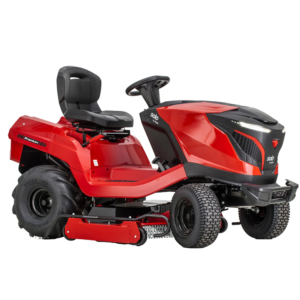
solo by AL-KO T 22-110 HDH-A V2 – Powerful High Grass Mulching Tractor


All Terrain Garden Tractors
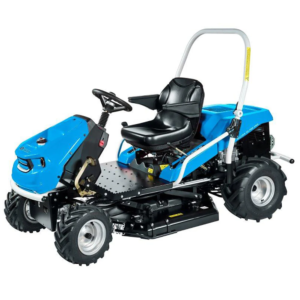
Professional 2WD Mulching Lawn Tractor Billy Goat BCT4322BCE Outback –
All Terrain Garden Tractors
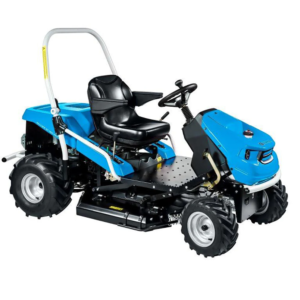
Bertolini MULCHER 92 PRO 4WD – Ultimate Hydrostatic Garden Tractor


All Terrain Garden Tractors
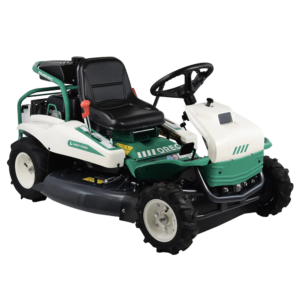
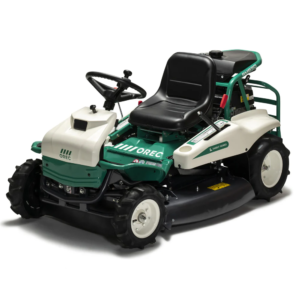
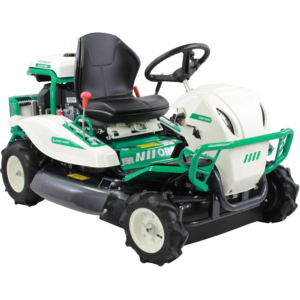
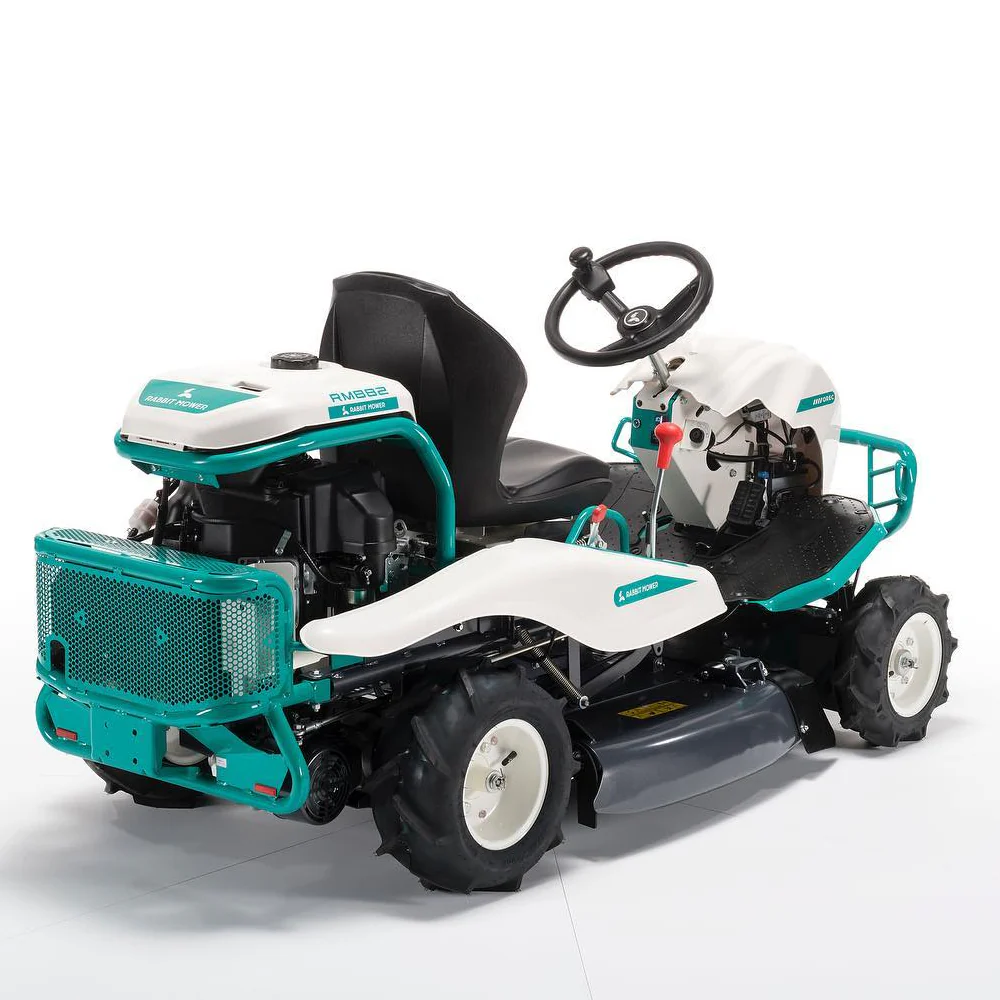
Orec Rabbit RM982F – Unstoppable 98cm 4WD Ride-On Brush Cutter


All Terrain Garden Tractors
Bertolini MULCHER 92 PRO 2WD – Reliable Hydrostatic Mulching Tractor
All Terrain Garden Tractors

All Terrain Garden Tractors
All Terrain Garden Tractors
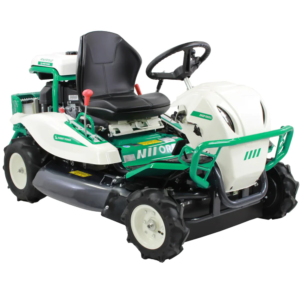
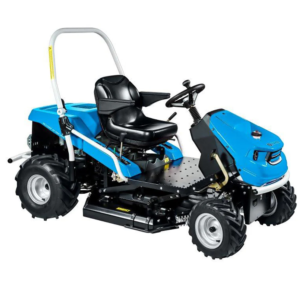
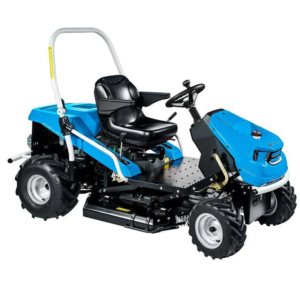
Bertolini MULCHER 92 PRO 2WD – BEST All Terrain Garden Tractor
All Terrain Garden Tractors
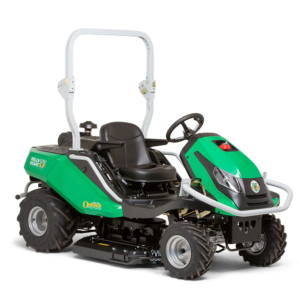
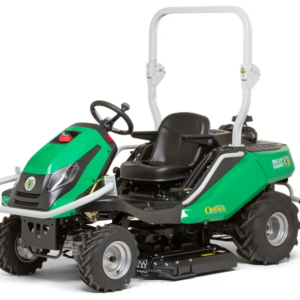
Billy Goat BCR3628BVECE Outback – Ultimate 4WD Ride-On Brush Cutter

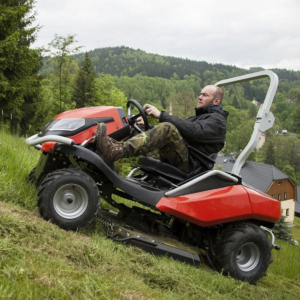
All Terrain Garden Tractors
Oleo-Mac CHEYENNE 110 Ultimate 4×4 All Terrain Garden Tractor
All Terrain Garden Tractors
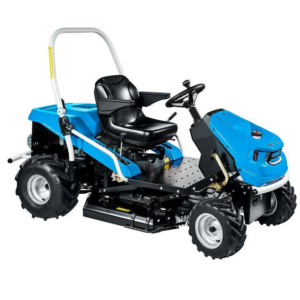

All Terrain Garden Tractors
Bertolini MULCHER 92 PRO 2WD – Reliable Hydrostatic Mulching Tractor
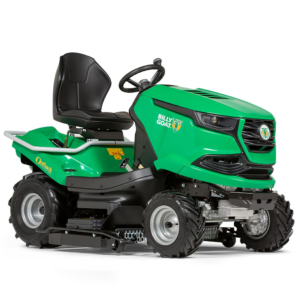

All Terrain Garden Tractors
4WD Mulching Lawn Tractor best Billy Goat BCT4323BCE Outback
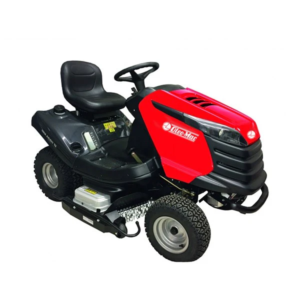
All Terrain Garden Tractors
Oleo-Mac OM 110/24 KH – best Versatile Mulching All Terrain Garden Tractor
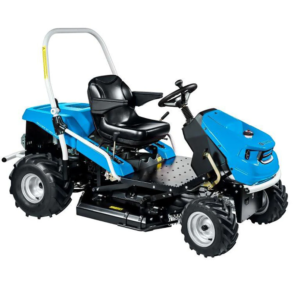
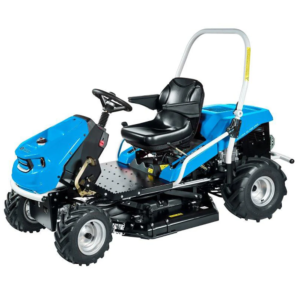
All Terrain Garden Tractors
Bertolini MULCHER 92 PRO Best 4WD All Terrain Garden Tractor
When your yard fights back, you need a machine that fights harder. All terrain garden tractors are purpose-built for exactly that — slopes, rough ground, uneven terrain, dense grass, and every landscape challenge that would defeat a standard riding mower. These are the heavy-duty workhorses of the residential lawn care world, combining the comfort of a ride-on machine with the rugged capability of equipment built to handle whatever your land throws at it.
Whether you’re managing a sprawling rural property with steep hillsides, a wooded lot with roots and ruts throughout, or a large suburban estate with a mix of open lawn and challenging grades, an all terrain garden tractor transforms what would be an exhausting, hours-long ordeal into a manageable, even enjoyable task. These machines don’t just cut grass — they reclaim your relationship with your outdoor space.
In this comprehensive guide, we break down everything you need to know about all terrain garden tractors — from the features that separate a truly capable machine from a marketing label, to the top brands dominating this category, to a clear framework for choosing the right tractor for your specific land, lifestyle, and budget. By the time you finish reading, you’ll know exactly what to look for, what to avoid, and where to find the best deal available.
What Makes a Garden Tractor Truly “All Terrain”?
The phrase “all terrain” gets thrown around loosely in outdoor power equipment marketing, so it’s worth establishing what it actually means when applied to a genuinely capable garden tractor — and what it doesn’t mean when used as mere promotional language.
A true all terrain garden tractor is engineered with specific mechanical and structural features that allow it to perform safely and effectively across a variety of ground conditions beyond a standard flat lawn. These aren’t just regular garden tractors with aggressive-looking tires. The differences go deep into the machine’s design.
Four-Wheel Drive and Enhanced Traction Systems
The single most defining feature of a capable all terrain garden tractor is its traction system. Standard riding mowers use rear-wheel drive on relatively smooth turf — a setup that works fine on level ground but loses grip quickly on slopes, loose soil, wet grass, or uneven terrain.
True all terrain machines often feature four-wheel drive or limited-slip differential systems that distribute power to all wheels proportionally based on traction conditions. When one wheel begins to slip, power automatically transfers to the wheel with better grip. The practical result is dramatically improved stability on hills and much greater confidence on loose or wet surfaces.
Heavy-Duty Frame Construction
All terrain garden tractors are built on welded steel frames significantly heavier and more rigid than the stamped steel or composite frames found in standard lawn tractors. This structural integrity matters because all terrain operation subjects the machine to significantly higher stress loads — lateral forces on slopes, impact forces from rough ground, and torsional stress from uneven surfaces.
A heavy frame also contributes to better overall stability, lowering the machine’s effective center of gravity and reducing the risk of tipping on steep grades.
High-Ground-Clearance Chassis
Standard riding mowers sit relatively close to the ground, which is fine for groomed turf but problematic on rough terrain with rocks, roots, stumps, and ground irregularities. All terrain garden tractors feature elevated chassis designs with higher ground clearance — typically 4 to 6 inches or more — that allow the machine to pass over obstacles without grounding out or damaging the undercarriage.
All-Terrain Tires
The tires on a genuine all terrain garden tractor are meaningfully different from the smooth-profile turf tires on standard lawn tractors. All terrain tractor tires feature deeper, more aggressive tread patterns — similar in concept to off-road vehicle tires — that bite into soft soil, maintain grip on wet grass, and provide stability on loose or uneven ground.
Some premium all terrain models feature turf-to-terrain convertible tire options, allowing owners to switch between turf-friendly tires for their manicured lawn areas and aggressive terrain tires for rough sections of their property.
Powerful Engines and High-Torque Transmissions
All terrain conditions demand more from an engine than flat-lawn mowing. Climbing grades, cutting through heavy vegetation, and operating in challenging conditions all require sustained torque output that smaller engines simply can’t provide.
All terrain garden tractors typically feature engines in the 20 to 27 horsepower range, with transmission systems specifically tuned for torque delivery at lower speeds. Hydrostatic transmissions — which use fluid pressure rather than mechanical gears to transfer power — are the standard on quality all terrain machines, offering smooth, infinitely variable speed control without gear shifting.

Why You Need an All Terrain Garden Tractor: Key Benefits
Understanding the mechanical definition is useful, but the real question for most homeowners is simpler: why do I need an all terrain garden tractor instead of a standard riding mower?
Safety on Slopes
This is the most critical reason, and it cannot be overstated. Standard riding mowers have defined slope limits — typically around 15 degrees — beyond which they become genuinely dangerous. Tipping incidents involving riding mowers cause thousands of serious injuries in the United States every year, and a significant percentage of those incidents occur when standard machines are used on terrain they were never designed for.
All terrain garden tractors are engineered with higher slope ratings — typically 20 to 30 degrees depending on the model — combined with lower centers of gravity, wider wheelbases, and enhanced traction systems that make them dramatically safer on sloped ground. If your property has meaningful hills, an all terrain tractor isn’t just a performance upgrade — it’s a safety investment.
Time and Efficiency Savings
Rough terrain dramatically slows down standard mowers, forcing you to make repeated passes, navigate carefully around obstacles, and frequently dismount to manage ground conditions. An all terrain garden tractor handles these challenges without slowing down, maintaining consistent cutting performance across varied ground conditions and reducing overall mowing time significantly.
For properties of an acre or more with mixed terrain, the time savings over a season of mowing can easily add up to multiple hours — time better spent enjoying your property than struggling to maintain it.
Versatility Beyond Mowing
Most all terrain garden tractors are designed to accept a wide range of attachments, transforming them from seasonal mowers into year-round property management tools. Common attachment options include:
- Front-mounted snow blowers for winter driveway and path clearing
- Box blades and graders for leveling gravel driveways and rough ground
- Tillers for breaking up soil in garden beds
- Aerators for improving lawn health and drainage
- Dump carts for hauling materials across rough terrain
- Sprayers for lawn treatment applications
This versatility dramatically improves the return on investment for an all terrain garden tractor — you’re not buying a machine that works only during the mowing season, but rather a year-round property management platform.
Long-Term Durability
Because all terrain garden tractors are built to more demanding specifications than standard riding mowers, they typically offer significantly longer service lives when properly maintained. The heavy-duty frames, commercial-grade engines, and robust transmissions found in quality all terrain machines are designed for sustained, demanding use — not just occasional suburban mowing.
A quality all terrain garden tractor purchased today should realistically remain in service for 15 to 25 years with appropriate maintenance, making the higher upfront cost a genuinely sound long-term investment.
Top Brands Building the Best All Terrain Garden Tractors
The all terrain garden tractor market is dominated by a handful of manufacturers who have built genuine expertise in this demanding equipment category. Here’s what you need to know about each.
Husqvarna — The Gold Standard in All Terrain Garden Tractors
Husqvarna’s garden tractor lineup is widely regarded as the benchmark against which other brands are measured. Their TS and GT series tractors are built for serious residential and light commercial use, featuring powerful Kawasaki or Kohler engines, fabricated steel cutting decks, and hydrostatic transmissions engineered for long-term reliability.
Husqvarna’s all terrain models feature their proprietary BioClip mulching system, which produces an exceptionally fine mulch that decomposes rapidly and feeds the lawn without leaving visible clippings. Their slope-rated designs and articulated steering systems make them among the safest all terrain machines available for residential use.
Best Husqvarna model to consider: The Husqvarna TS 354XD — featuring a 24 HP Kawasaki engine, 54-inch fabricated deck, and all-wheel drive option — is one of the most capable residential all terrain garden tractors on the market.
John Deere — Legendary Reliability in All Terrain Garden Tractors
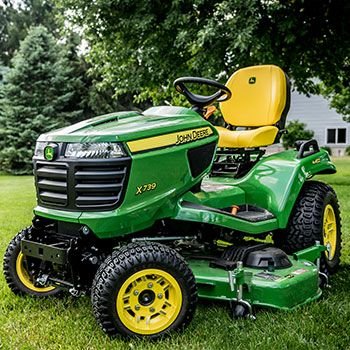
John Deere’s name is virtually synonymous with agricultural and outdoor power equipment, and their residential garden tractor lineup lives up to that heritage. The John Deere X500 and X700 series represent their most capable all terrain offerings, with four-wheel drive models in the X700 series particularly well-suited for challenging terrain.
John Deere machines are known for their exceptional build quality, extensive dealer network, and outstanding long-term parts availability — a critical consideration when investing in equipment you expect to use for decades. Their iMatch Quick-Hitch system makes attaching and removing implements remarkably fast and easy.
Best John Deere model to consider: The John Deere X758 — featuring a 25.5 HP diesel engine, four-wheel drive, and four-wheel steering — is the pinnacle of residential all terrain garden tractor engineering.
Cub Cadet — Premium All Terrain Garden Tractors at Accessible Prices
Cub Cadet occupies a sweet spot in the all terrain garden tractor market: genuine commercial-grade construction and performance at price points more accessible than Husqvarna or John Deere equivalents. Their XT2 and XT3 series garden tractors feature fabricated decks, Kohler or Kawasaki engines, and tank-style zero-turn steering options on select models.
Cub Cadet’s INTELLIPOWER technology automatically adjusts engine power output based on cutting demand, delivering maximum power when conditions are tough and conserving fuel when conditions are easy. This results in both better performance in challenging terrain and improved fuel efficiency over the course of a full season.
Best Cub Cadet model to consider: The Cub Cadet XT3 GSX — with its 25 HP Kohler engine, 54-inch fabricated deck, and commercial-grade transmission — delivers outstanding all terrain capability at a price point well below comparable Husqvarna and John Deere models.
Ariens — Built for the Toughest All Terrain Conditions
Ariens has built a reputation over decades for producing outdoor power equipment that genuinely handles the most demanding conditions, and their garden tractor lineup reflects that no-compromise engineering philosophy. Ariens IKON and APEX series tractors feature heavy-gauge welded steel frames, powerful Kawasaki or Kohler engines, and fabricated cutting decks with anti-scalp wheels designed specifically for uneven terrain.
Their machines are particularly well-regarded for performance in hilly terrain and in challenging grass conditions — dense, thick, or consistently overgrown grass that would strain lesser machines. If your property demands the absolute toughest machine available, Ariens belongs on your shortlist.
Craftsman — Best Value All Terrain Garden Tractors
For homeowners who want meaningful all terrain capability without premium brand pricing, Craftsman’s T and GT series garden tractors offer a compelling combination of capable performance and accessible cost. Their GT6000 series features 24 HP Briggs & Stratton engines, 54-inch cutting decks, and fabricated steel frames that deliver genuine durability beyond what the price tag might suggest.
Craftsman’s wide availability through major retailers and warehouse clubs makes them easy to purchase, service, and find parts for — an important practical consideration for long-term ownership.
Choosing the Right All Terrain Garden Tractor: A Step-by-Step Framework
With so many capable machines available across multiple brands and price points, how do you identify the right all terrain garden tractor for your specific situation? Follow this framework.
Step 1: Accurately Assess Your Property
Walk your property deliberately and honestly evaluate:
- Total acreage: Properties under 1 acre can be managed with smaller all terrain tractors; 1 to 3 acres warrant mid-size machines; over 3 acres justifies the largest, most capable models.
- Maximum slope angle: Use a slope meter app on your smartphone to measure your steepest grades. This directly determines the minimum slope rating you need in a tractor.
- Ground obstacles: Note roots, rocks, drainage features, and other obstacles that will affect clearance requirements.
- Access points: Measure any gates or narrow passages through which the tractor must pass — this constrains maximum machine width.
Step 2: Determine Your Cutting Deck Size
Deck size directly determines mowing efficiency — wider decks cover more ground per pass and reduce total mowing time.
- 42–46 inches: Appropriate for properties up to 1.5 acres with moderate terrain complexity
- 48–54 inches: Ideal for 1.5 to 3 acres of mixed terrain
- 54–60 inches: Best for properties over 3 acres with open areas
Remember that wider decks require more careful navigation around trees, landscaping features, and tight areas. Match your deck size to your actual open mowing area, not your total property size.
Step 3: Evaluate Engine Power Requirements
As a general guide:
- 18–20 HP: Adequate for flat to moderately sloped terrain up to 1.5 acres
- 21–24 HP: Recommended for all terrain use on properties up to 3 acres with meaningful slopes
- 25 HP and above: Necessary for large properties, steep grades, and demanding cutting conditions
Always err toward more power than you think you need — an engine working comfortably at 70% capacity will last far longer than one regularly pushed to its limits. All Terrain Garden Tractors
Step 4: Choose Your Transmission Type All Terrain Garden Tractors
Hydrostatic transmissions are the clear choice for all terrain use. They offer smooth, stepless speed control, easy directional changes, and excellent torque delivery at low speeds — all critical for safe, controlled operation on uneven ground. Avoid gear-drive transmissions for all terrain applications; the inability to make fine speed adjustments mid-maneuver is a significant safety disadvantage on slopes.
Step 5: Consider Your Attachment Needs
If you intend to use your all terrain garden tractor for more than just mowing, confirm that your shortlisted models are compatible with the specific attachments you need. Not all tractors use universal attachment systems, and buying a tractor that can’t accept the snow blower or tiller you want is a costly mistake All Terrain Garden Tractors.
John Deere’s iMatch system and Husqvarna’s proprietary attachment systems are among the most versatile and widely supported — a meaningful advantage if attachment versatility is a priority All Terrain Garden Tractors.
All Terrain Garden Tractors vs. Zero-Turn Mowers: Which Is Right for You?
A common question among buyers considering an upgrade from a standard riding mower is whether to choose an all terrain garden tractor or a zero-turn mower. Both are significant investments, and the right choice depends heavily on your specific property.
Where All Terrain Garden Tractors Win
- Sloped terrain: Zero-turn mowers are generally less stable on slopes than garden tractors. Their rear-mounted engines and dual-wheel drive configuration can make slope handling unpredictable. Garden tractors, with their front axle steering and lower center of gravity, are inherently safer on grades.
- Rough ground: All terrain tractors handle rough, uneven ground better than zero-turns, which are optimized for smooth turf performance.
- Attachment versatility: Garden tractors typically offer far more attachment compatibility than zero-turns, making them the better choice for year-round property management.
- Snow removal: Most garden tractors can accept front-mounted snow blowers; most zero-turns cannot.
Where Zero-Turn Mowers Win
- Flat, open terrain: On level ground with minimal obstacles, zero-turns are significantly faster and more efficient than garden tractors.
- Maneuvering around obstacles: Zero-turns’ ability to pivot on their axis makes navigating trees, garden beds, and landscaping features faster and more precise.
- Pure mowing speed: For homeowners whose primary goal is minimizing mowing time on relatively flat ground, zero-turns are hard to beat.
The verdict: If your property has meaningful slopes, rough terrain, or you intend to use attachments seasonally, an all terrain garden tractor is the smarter investment. If your land is predominantly flat and your goal is maximum mowing speed, a zero-turn is worth considering All Terrain Garden Tractors.
Essential Maintenance for Your All Terrain Garden Tractor
A quality all terrain garden tractor is a significant investment, and proper maintenance protects that investment while ensuring reliable, safe performance season after season.
Engine Maintenance of All Terrain Garden Tractors
Every 50 hours or each season:
- Change engine oil with manufacturer-specified grade — typically 10W-30 for most conditions
- Inspect and replace the air filter — crucial for engines working hard in dusty or debris-heavy all terrain conditions
- Check and replace spark plugs as needed
- Inspect fuel lines and connections for wear, cracking, or leaks
Every 100 hours:
- Replace the fuel filter
- Inspect and lubricate all grease fittings on front axle, steering components, and deck spindles
- Check and adjust belt tension on the cutting deck and drive system
Cutting Deck Maintenance
The cutting deck takes more abuse on all terrain machines than on standard riding mowers — rocks, roots, and ground contact are simply more frequent. Inspect your deck regularly for:
- Blade condition: Sharpen blades every 25 hours of use, or immediately after any significant impact with rocks or hard debris. Replace bent or cracked blades immediately — they are a safety hazard.
- Deck levelness: Check that the deck hangs level side-to-side and slightly lower at the front than the rear. An unlevel deck produces an uneven cut.
- Spindle bearings: Listen for grinding or squealing from deck spindles — these are early signs of bearing failure that should be addressed promptly.
- Anti-scalp wheels: Inspect these regularly on all terrain machines as they contact the ground far more frequently than on flat-terrain mowers.
Tire and Chassis Maintenance
- Tire pressure: Check and maintain proper inflation — under-inflated tires dramatically reduce traction and stability on slopes
- Wheel bearing inspection: Check for play or roughness in all four wheel bearings annually
- Frame inspection: Examine the frame for cracks, especially at weld joints, after extended all terrain use
- Battery maintenance: Keep the 12V starting battery terminals clean and corrosion-free; replace every 3–4 years proactively
Seasonal Storage Preparation
Before putting your all terrain garden tractor away for winter:
- Run the fuel system empty or add a high-quality fuel stabilizer to prevent varnish buildup
- Change the engine oil — used oil contains acidic compounds that can corrode engine internals during storage
- Remove and fully charge the battery, then store it in a climate-controlled space
- Clean the entire machine thoroughly, paying particular attention to the underside of the deck
- Apply a light coat of rust-inhibiting spray to exposed metal surfaces
Where to Find the Best Deals on All Terrain Garden Tractors
Knowing where to shop is almost as important as knowing what to buy. Here’s how to find the best possible value on your all terrain garden tractor purchase.
Shop Seasonal Sales Windows
The outdoor power equipment market is highly seasonal, and timing your purchase intelligently can save you hundreds of dollars.
Best times to buy:
- Late winter (February–March): Dealers begin receiving new inventory and often discount previous-season models aggressively to clear floor space
- Early spring promotions (March–April): Manufacturers run launch promotions on current-year models
- Late summer clearance (August–September): End-of-season clearance events can yield 15–25% discounts on current models as dealers prepare for fall inventory
Consider Certified Pre-Owned Equipment
Premium all terrain garden tractors from brands like John Deere and Husqvarna hold their value exceptionally well, which means a certified pre-owned machine in good condition can represent outstanding value. Many John Deere dealers offer certified pre-owned programs with inspection certificates and limited warranties — providing meaningful protection on a used purchase.
Explore Warehouse Club and Large Retail Options
Warehouse retailers and large home improvement stores often carry capable garden tractors at competitive pricing, particularly during seasonal sale events. Comparing prices across multiple retail channels before committing to any purchase is always worthwhile.
For a broader range of mower options — including models suited to every budget and terrain type — explore our full selection at the MowMasterPro Shop, where you’ll find curated recommendations for every property type and mowing challenge.
And if you’re also considering a versatile walk-behind option for the manageable sections of your terrain, the Yard Force 21″ Self-Propelled RWD Walk Behind Mower with Vertical Storage Technology at Sam’s Club is a capable, space-saving complement to any all terrain tractor setup — particularly useful for trimming areas the tractor can’t access.
Frequently Asked Questions About All Terrain Garden Tractors
What slope angle can all terrain garden tractors safely handle? Most quality all terrain garden tractors are rated for slopes between 20 and 30 degrees. Always verify the specific slope rating for any model you’re considering, and never operate any riding mower — regardless of its terrain rating — on a slope that exceeds its manufacturer-specified maximum. When in doubt, a walk-behind mower is always safer on extreme grades.
How much should I budget for a quality all terrain garden tractor? Entry-level all terrain capable garden tractors start around $2,500 to $3,500. Mid-range models from Husqvarna, Cub Cadet, and Craftsman typically fall between $3,500 and $6,000. Premium models from John Deere’s X700 series and Husqvarna’s top-tier lineup can exceed $8,000 to $12,000 for the most capable configurations.
Can I use my all terrain garden tractor for snow removal? Yes — most garden tractors accept front-mounted snow blower attachments, making them effective year-round property management tools. Confirm attachment compatibility with the specific model you’re considering before purchase, as attachment systems vary between brands and even between model series within the same brand.
How many acres can an all terrain garden tractor handle? With appropriate deck size and engine power, all terrain garden tractors can effectively manage properties from 1 acre up to 5 or more acres. For properties exceeding 5 acres with complex terrain, consider commercial-grade equipment or a professional grounds management service for portions of the property.
Is a garden tractor the same as a lawn tractor? Not exactly. Garden tractors are generally heavier, more powerful, and more attachment-versatile than lawn tractors. Lawn tractors are designed primarily for mowing, while garden tractors are designed as multi-purpose outdoor power platforms. All terrain garden tractors are a further specialized category within garden tractors, optimized specifically for challenging terrain performance and safety.
Final Thoughts: Investing in the Right All Terrain Garden Tractor
Your property is an investment — in value, in beauty, and in the quality of your outdoor living. An all terrain garden tractor that’s properly matched to your land doesn’t just maintain that investment; it actively enhances it by making challenging terrain manageable, reducing the physical burden of property maintenance, and extending your capability well beyond what standard equipment could ever deliver.
The key to a successful purchase is honest self-assessment: know your terrain, know your acreage, know your attachment needs, and buy to those requirements rather than to a marketing label or a price point. The right machine — whether it’s a Husqvarna TS with all-wheel drive, a John Deere X758 with diesel power and four-wheel steering, or a well-specified Cub Cadet XT3 — will serve you faithfully for decades and transform your relationship with even the most demanding property.
Ready to find the perfect all terrain garden tractor for your land? Visit the MowMasterPro Shop to explore our full lineup of curated recommendations, comparison tools, and expert buying guidance for every terrain type and budget. And for walk-behind options that complement your tractor on tighter sections of your property, check out the Yard Force 21″ Self-Propelled RWD Walk Behind Mower at Sam’s Club — a well-engineered, space-efficient option that pairs perfectly with a capable all terrain tractor setup.
Your land deserves the right machine. Make the right choice today.