Uncategorized
Battery-Powered OPE(best battery powered mower) better cuts 100%
Feb
Battery powered mower technology has become one of the most transformative forces within the broader category of battery-powered OPE (Outdoor Power Equipment). As environmental awareness, noise regulations, and advancements in lithium-ion battery systems continue to reshape consumer expectations, battery-powered OPE is no longer viewed as an alternative—it is increasingly the preferred standard. From residential lawns to commercial landscaping fleets, battery innovation is redefining performance, convenience, and sustainability across the outdoor equipment industry.
This comprehensive guide explores battery-powered OPE in depth, covering equipment categories, technological advancements, performance comparisons, cost analysis, environmental impact, commercial applications, buyer considerations, and frequently asked questions. It is structured with detailed headlines and question-based sections to support SEO optimization and content clarity.
Understanding Battery-Powered OPE
What Is Battery-Powered OPE?
Battery-powered OPE/ battery powered mower refers to outdoor power equipment that operates using rechargeable battery systems instead of gasoline engines or corded electricity. This includes:
- Lawn mowers
- String trimmers
- Leaf blowers
- Hedge trimmers
- Chainsaws
- Snow blowers
- Pressure washers
Battery systems of battery powered mower typically rely on lithium-ion technology, offering improved energy density, recharge cycles, and portability.
The Rise of Battery-Powered OPE in Modern Landscaping
Why Is Battery-Powered OPE Growing So Rapidly?
Several factors are driving growth:
- Stricter environmental regulations
- Noise reduction requirements in urban areas
- Rising fuel costs
- Advancements in battery capacity
- Consumer preference for low-maintenance equipment
Battery innovation has closed much of the performance gap between electric and gas-powered equipment.
Battery Technology Behind Battery-Powered OPE\battery powered mower
How Do Lithium-Ion Batteries Power Modern Equipment?
Lithium-ion batteries store energy through electrochemical reactions, delivering high output while maintaining lightweight construction. Key components include:
- Battery cells
- Battery management system (BMS)
- Cooling mechanisms
- Voltage regulation systems
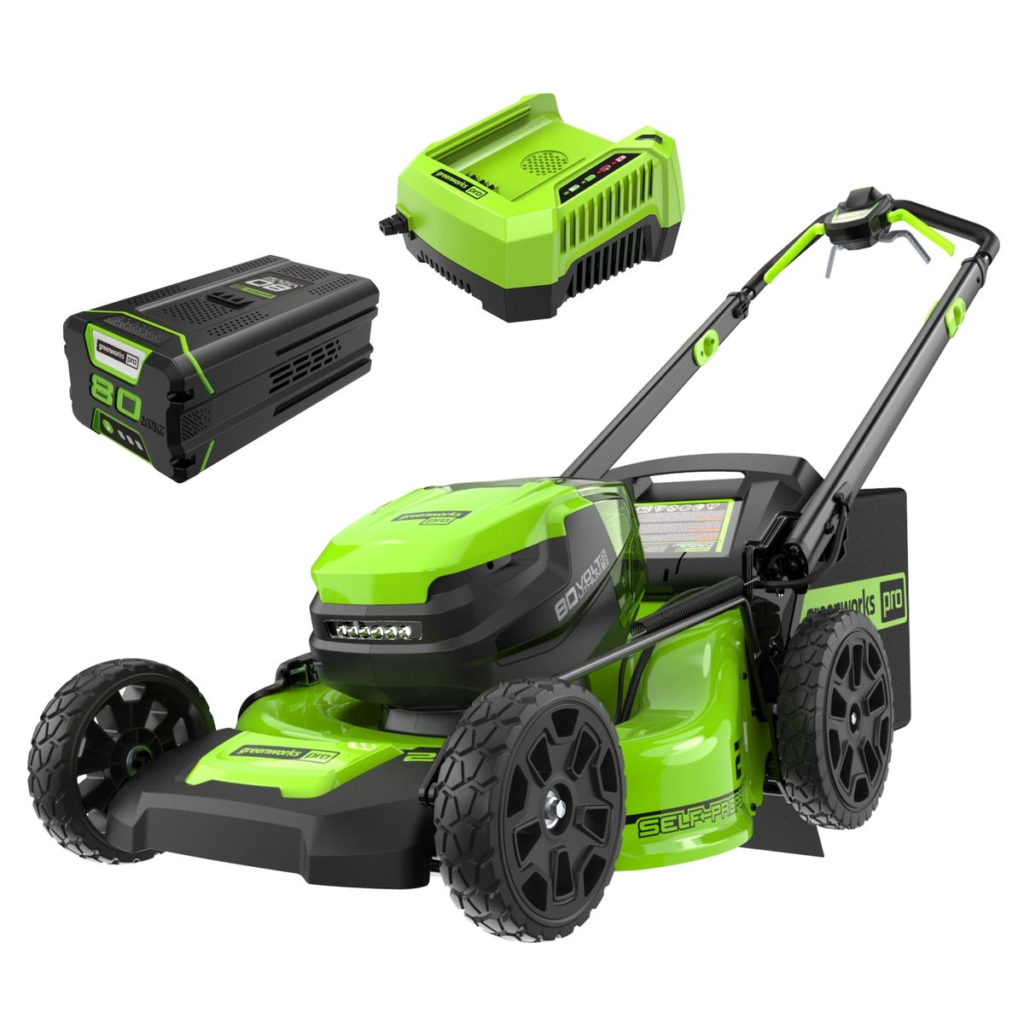
Higher voltage platforms (40V, 56V, 80V) are increasingly common in professional-grade tools.
What Determines Battery Performance?
Important factors include:
- Amp-hour (Ah) rating
- Voltage level
- Charge time
- Thermal management
- Cycle life
Battery performance directly affects runtime and power consistency.
Equipment Categories in Battery-Powered OPE/ b attery powered mower
Battery-Powered Lawn Equipment
Battery Powered Mower Options
The Battery powered mower segment includes:
- Push mowers
- Self-propelled mowers
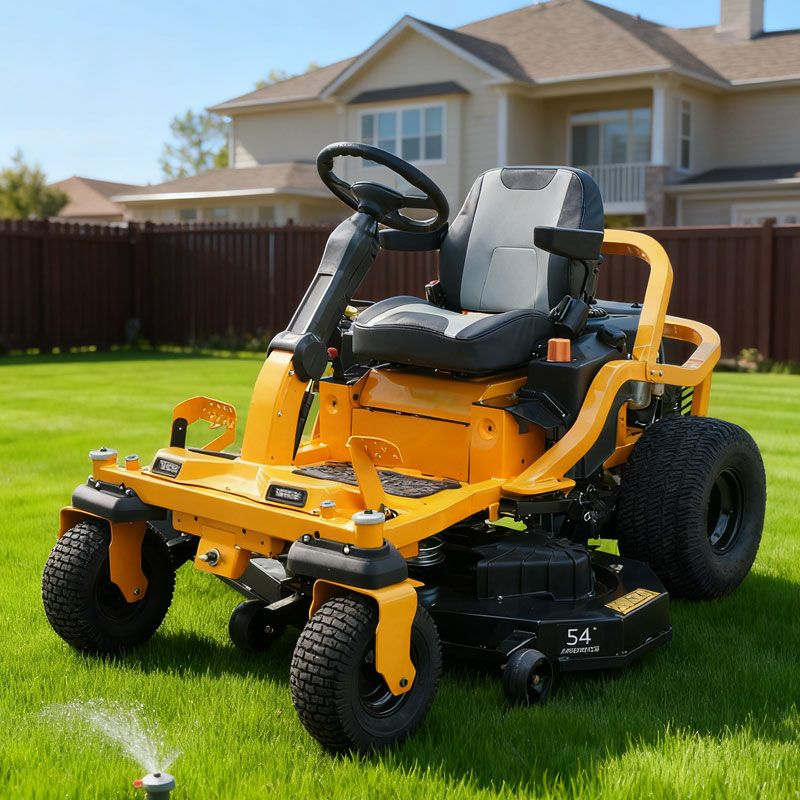
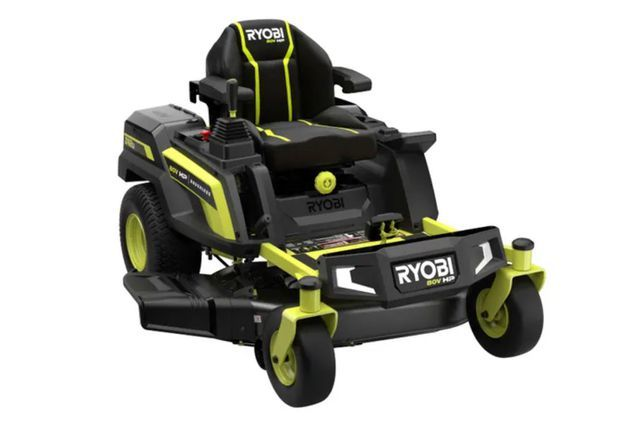
- Riding electric mowers
- Robotic lawn mowers
Modern designs offer comparable torque to mid-range gas models, especially for residential use.
Battery-Powered Trimmers and Edgers
Lightweight, quiet, and efficient, these tools are ideal for detail work and perimeter trimming.
Battery-Powered Leaf Blowers
High-efficiency brushless motors now deliver strong air velocity and CFM ratings suitable for professional cleanup tasks.
Battery-Powered Chainsaws
Battery chainsaws eliminate pull-start frustration and reduce maintenance complexity.

Performance Comparison: Battery vs Gas
Can Battery Equipment Replace Gas Models?
For residential use, battery-powered OPE often matches or exceeds performance expectations. For heavy commercial use, improvements in battery swapping systems and high-voltage platforms have significantly narrowed the gap.
Key Comparison Factors
- Torque output
- Runtime duration
- Refueling vs recharging time
- Maintenance requirements
- Noise levels
Battery systems eliminate oil mixing, carburetor maintenance, and spark plug replacement.
Cost Analysis of Battery-Powered OPE
Is Battery Equipment More Expensive?
Initial costs may be higher due to battery and charger inclusion. However, long-term savings can include:
- No fuel costs
- Reduced maintenance
- Fewer mechanical repairs
- Lower downtime
Commercial landscapers often calculate total cost of ownership rather than upfront price.
Environmental Impact of Battery-Powered OPE
Is Battery Equipment More Eco-Friendly?
Battery-powered OPE reduces:
- Carbon emissions
- Fuel spills
- Air pollutants
- Noise pollution
However, environmental impact also depends on battery manufacturing and recycling practices.
What About Battery Recycling?
Proper recycling programs are essential to reduce long-term environmental harm. Many manufacturers now offer battery take-back programs.
Commercial Adoption of Battery-Powered OPE
Why Are Landscaping Companies Switching to Battery?
Benefits include:
- Compliance with municipal noise laws
- Reduced operator fatigue
- Branding as eco-conscious service providers
- Lower maintenance fleet costs
Fleet-wide battery standardization improves efficiency.
Innovations in Battery-Powered OPE
Smart Connectivity Features
Some systems now integrate:
- Bluetooth connectivity
- Performance tracking apps
- Runtime monitoring
- Diagnostic alerts
Rapid Charging Technology
Fast chargers reduce downtime and enable continuous workflow through battery rotation systems.
Safety Advantages of Battery-Powered OPE/battery powered mower
Are Battery Systems Safer?
Battery tools often feature:
- Instant shutoff mechanisms
- No hot exhaust
- Reduced vibration
- Lower fire risk compared to fuel storage
Safety improvements make them attractive for residential users.
Maintenance of Battery Equipment
What Maintenance Is Required?
Battery-powered OPE typically requires:
- Blade sharpening
- Battery storage care
- Cleaning debris
- Firmware updates (in smart systems)
Mechanical complexity is significantly reduced compared to gas engines.
Residential Buyer Guide
How Do You Choose the Right Equipment?
Consider:
- Lawn size
- Terrain type
- Grass thickness
- Storage space
- Budget
For medium-sized lawns, a Battery powered mower with interchangeable battery compatibility across tools provides long-term value.
Commercial Buyer Guide
What Should Professionals Evaluate?
- Fleet compatibility
- Charging infrastructure
- Battery lifecycle cost
- Warranty coverage
- Runtime per shift
Commercial operators should prioritize high-capacity battery systems.
Challenges Facing Battery-Powered OPE/battery powered mower
What Are the Current Limitations?
- Runtime constraints
- High battery replacement cost
- Charging infrastructure requirements
- Reduced power in extreme cold temperatures
Despite these challenges, innovation continues to address limitations.
Future of Battery-Powered OPE/
What Trends Will Shape the Next Decade? battery powered mower
- Solid-state batteries
- Higher energy density
- Faster charging cycles
- Expanded commercial adoption
- Regulatory mandates favoring electric equipment
As cities implement emission regulations, battery-powered OPE (battery powered mower )may become the default standard.
Frequently Asked Questions About Battery-Powered OPE/battery powered mower
How Long Does a Battery Typically Last?
Most lithium-ion batteries last between 3–5 years depending on usage cycles and storage practices.
Is a Battery Powered Mower Strong Enough for Thick Grass?
Modern high-voltage models can handle dense grass effectively, particularly when equipped with brushless motors.
How Many Batteries of battery powered mowerDo Commercial Users Need?
Professional crews often operate with multiple battery packs to ensure uninterrupted workflow.
Does Cold Weather Affect Performance?
Yes. Cold temperatures can temporarily reduce battery efficiency and runtime.
Are Charging Stations Expensive?
Initial infrastructure investment may be required for commercial fleets, but residential users typically rely on standard outlets.
Strategic Marketing Opportunities in Battery-Powered OPE
Content marketing around battery-powered OPE can include:
- Comparison guides
- Maintenance tutorials
- Environmental impact reports
- Fleet transition case studies
- Performance testing reviews
SEO-focused content targeting buyer intent can attract high-conversion traffic.
Conclusion
Battery-powered OPE/battery powered mower represents a fundamental shift in outdoor equipment technology. Advancements in lithium-ion systems, environmental regulations, and consumer expectations are accelerating adoption across residential and commercial markets.
From push tools to advanced riding equipment, battery innovation is redefining reliability, efficiency, and sustainability. While gas-powered equipment still holds relevance in certain heavy-duty applications, the rapid evolution of battery platforms suggests a long-term transition toward electrification.
For homeowners seeking convenience and for commercial landscapers seeking regulatory compliance and cost efficiency, battery-powered OPE offers a compelling path forward. The next decade will likely solidify its position as the dominant force in the outdoor power equipment industry.
Expanding the Landscape of Battery-Powered OPE
Battery-powered OPE continues to reshape how homeowners, municipalities, and commercial landscapers approach outdoor maintenance. As infrastructure improves and battery chemistry advances, adoption is accelerating across suburban, urban, and rural environments. This section explores deeper strategic, technical, financial, and operational dimensions of battery-powered outdoor power equipment.
Market Trends in Battery-Powered OPE/battery powered mower
How Large Is the Battery-Powered OPE Market?
The global outdoor power equipment market is undergoing electrification. Analysts consistently report year-over-year growth in cordless platforms due to:
- Urban emission restrictions
- Corporate sustainability mandates
- Consumer demand for quieter neighborhoods
- Advancements in battery density
Municipal regulations limiting small engine emissions are further accelerating the shift.
Regulatory Impact on Battery-Powered OPE
How Are Environmental Regulations Influencing Adoption?
Certain cities and regions have enacted policies targeting:
- Gas-powered leaf blower restrictions
- Emission limits for small engines
- Noise ordinance enforcement
These policies directly increase demand for battery-powered alternatives. Businesses that proactively transition to battery-powered fleets often gain competitive advantages in regulated areas.
Fleet Electrification Strategy for Commercial Landscapers
How Should a Landscaping Business Transition to Battery?
A structured approach includes:
- Equipment Audit
- Usage Pattern Analysis
- Battery Capacity Forecasting
- Charging Infrastructure Planning
- Staff Training
Switching gradually—starting with trimmers and blowers before moving to larger equipment—can reduce operational disruption.
What Charging Infrastructure Is Required?
Commercial operators may require:
- Dedicated charging stations
- Surge-protected circuits
- Battery storage racks
- Backup power planning
Residential users typically rely on standard 120V outlets.
Battery Platform Ecosystems
Why Do Manufacturers Build Battery Ecosystems?
Many brands develop unified battery platforms across product lines. A single battery system can power:
- A Battery powered mower
- Trimmers
- Chainsaws
- Blowers
- Hedge cutters
This ecosystem approach reduces cost per tool and improves user convenience.
What Should Buyers Consider in a Battery Platform?
- Cross-tool compatibility
- Battery warranty
- Availability of replacement packs
- Charger speed
- Platform longevity
Investing in a scalable ecosystem protects long-term value.
Runtime Management Strategies
How Can Users Maximize Battery Runtime?
Effective runtime management includes:
- Cutting grass at optimal height intervals
- Avoiding mowing wet grass
- Using eco-mode when possible
- Keeping blades sharp
- Rotating multiple battery packs
Efficient cutting conditions significantly extend operational time.
Performance Engineering in Modern Battery Equipment
What Is a Brushless Motor?
Brushless motors use electronic controllers instead of physical brushes, resulting in:
- Greater efficiency
- Reduced heat generation
- Longer lifespan
- Improved torque delivery
Brushless technology has become standard in high-performance battery-powered OPE.
Battery Chemistry Advancements
What Innovations Are Improving Battery Capacity?
Emerging advancements include:
- Solid-state batteries
- Silicon-anode technology
- Improved thermal regulation
- Faster charging materials
These innovations promise longer runtime, shorter charge cycles, and improved durability.
Battery Storage and Longevity
How Should Batteries Be Stored?
Best practices include:
- Store at moderate temperatures
- Avoid full depletion
- Charge partially for long-term storage
- Keep dry and ventilated
Improper storage reduces lifespan and performance stability.
Financial Modeling for Commercial Use
Is Battery Equipment Cost-Effective for Landscaping Companies?
Long-term cost considerations include:
- Fuel savings
- Maintenance reduction
- Reduced downtime
- Labor efficiency
- Regulatory compliance
While initial capital expenditure may be higher, operating costs are typically lower over time.
Noise Reduction and Community Impact
Why Is Noise a Major Selling Point?
Battery-powered OPE operates at significantly lower decibel levels compared to gas engines. This benefits:
- Residential neighborhoods
- Hospitals
- Schools
- Office parks
Reduced noise improves customer satisfaction and operator comfort.
Weather Considerations for Battery Equipment
How Does Weather Affect Battery Tools?
Extreme temperatures can impact:
- Runtime duration
- Charging efficiency
- Battery longevity
Cold conditions temporarily reduce output, while extreme heat may require thermal protection systems.
Comparing Equipment Durability
Are Battery Systems Durable Enough for Professional Use?
Modern commercial-grade battery tools feature:
- Reinforced housings
- Weather-resistant sealing
- Shock-absorbing frames
- Commercial-grade blades
Durability continues to improve with each generation.
Sustainability and Corporate Responsibility
How Does Battery-Powered OPE Support ESG Goals?
Environmental, Social, and Governance (ESG) strategies increasingly influence corporate procurement decisions. Battery-powered fleets help companies:
- Reduce carbon footprint
- Meet sustainability benchmarks
- Enhance public image
- Win government contracts
Sustainability messaging strengthens marketing positioning.
Consumer Education and Adoption Barriers
What Misconceptions Exist About Battery Equipment?
Common misconceptions include:
- “It’s not powerful enough.”
- “It won’t last long enough.”
- “Batteries are too expensive.”
- “Charging takes too long.”
As technology improves, many of these concerns diminish.
Technological Integration in Battery OPE
Are Smart Features Becoming Standard?
Advanced systems may include:
- Digital dashboards
- Battery health monitoring
- Overload protection alerts
- App-based diagnostics
- GPS fleet tracking
Connectivity enhances performance management.
Commercial Case Study Scenarios
Scenario: Urban Landscaping Company
Switching to battery tools can:
- Allow earlier start times due to reduced noise
- Reduce maintenance hours
- Improve brand perception
- Lower fuel transportation risks
Scenario: Residential Homeowner
A Battery powered mower combined with compatible trimmers simplifies yard maintenance and reduces seasonal upkeep.
Future Infrastructure for Electrified Landscaping
Will Public Charging Become Common?
As electric vehicle infrastructure expands, shared charging networks may eventually support outdoor equipment businesses.
Will Swappable Battery Stations Emerge?
Some manufacturers are experimenting with commercial battery swap stations to minimize downtime.
Industry Outlook for the Next Decade
Battery-powered OPE is positioned for sustained expansion due to:
- Government policy shifts
- Technological breakthroughs
- Consumer awareness
- Commercial cost efficiency
- Improved supply chains
Gas-powered tools may remain relevant in heavy industrial applications, but electrification trends suggest long-term dominance for battery systems.
Final Analysis: The Strategic Advantage of Battery-Powered OPE
Battery-powered outdoor power equipment represents more than a technological shift—it signals an operational transformation across residential and commercial landscaping sectors. Improvements in torque, runtime, safety, and sustainability have eliminated many early-stage performance concerns.
From ecosystem integration to regulatory compliance, from cost efficiency to environmental stewardship, battery systems offer measurable advantages. As charging speeds increase and battery density improves, adoption barriers will continue to decline.
Businesses and homeowners who understand performance metrics, lifecycle costs, and platform compatibility can make informed decisions that balance power, efficiency, and sustainability.
Advanced Operational Strategies for Battery-Powered OPE
Battery-powered OPE is no longer confined to small residential lawns. It is now influencing procurement strategies, workforce planning, and long-term capital investment decisions. As technology matures, organizations are shifting from experimentation to full-scale implementation. This section explores deeper operational, technical, and economic frameworks shaping the future of battery-powered outdoor equipment.
Scaling Battery-Powered OPE for Enterprise-Level Operations
How Can Large Organizations Standardize Battery Equipment?
For large landscaping companies, property management firms, or municipal departments, scaling battery-powered OPE requires structured planning:
- Platform Standardization
- Battery Pool Management
- Charging Infrastructure Zoning
- Equipment Rotation Scheduling
- Preventive Maintenance Tracking
Standardization ensures compatibility across multiple tools and reduces inventory complexity.
Battery Fleet Management Systems
What Is Battery Fleet Management?
Battery fleet management involves monitoring:
- Charge cycles
- Runtime usage
- Battery health diagnostics
- Replacement scheduling
- Cost per operational hour
Advanced systems integrate digital tracking platforms to manage dozens or hundreds of battery packs simultaneously.
Infrastructure Planning for Long-Term Adoption
What Electrical Upgrades Might Be Necessary?
Commercial properties transitioning to full battery fleets may require:
- Dedicated charging circuits
- Load balancing systems
- Surge protection
- Battery storage compliance measures
Proactive electrical assessment prevents overload and downtime.
Workforce Productivity and Battery Equipment
Does Battery Equipment Improve Labor Efficiency?
Battery-powered tools can enhance efficiency by:
- Eliminating pull-start delays
- Reducing mechanical troubleshooting
- Lowering vibration fatigue
- Simplifying daily startup procedures
Reduced downtime translates into higher billable hours.
Lifecycle Cost Evaluation
How Do You Calculate Total Cost of Ownership?
A comprehensive lifecycle model should include:
- Equipment purchase price
- Battery replacement cycles
- Charging electricity cost
- Maintenance savings
- Fuel cost elimination
- Downtime reduction
Over a five-year period, battery-powered systems often demonstrate competitive financial returns.
Environmental Impact Assessment
How Do Organizations Quantify Emission Reductions?
Companies may calculate:
- Fuel displacement metrics
- Carbon emission reduction estimates
- Noise reduction compliance
- ESG reporting improvements
These metrics strengthen sustainability reporting and investor confidence.
Battery Safety and Compliance Standards
What Safety Standards Apply?
Battery-powered OPE must comply with:
- Electrical safety certifications
- Battery transport regulations
- Fire risk management standards
- Environmental disposal regulations
Proper training ensures safe storage and handling.
Extreme Condition Performance
How Does Battery Equipment Perform in Challenging Environments?
Modern systems are engineered for:
- Wet grass cutting
- Moderate slopes
- Commercial-grade landscaping
- Dust exposure
High-quality sealing and reinforced casings improve resilience.
Innovation in Charging Solutions
Are Fast-Charging Systems Reliable?
Rapid charging technology is improving, allowing batteries to reach significant charge levels within shorter time frames. However, long-term health depends on:
- Thermal management
- Charge cycle regulation
- Quality charger compatibility
Smart chargers optimize battery longevity.
Energy Efficiency Metrics
How Efficient Is Battery-Powered OPE Compared to Gas?
Electric systems convert energy more efficiently because they avoid:
- Combustion losses
- Fuel evaporation
- Mechanical inefficiencies
Direct torque transfer improves overall performance efficiency.
Digital Integration and Data Analytics
Can Battery Equipment Provide Operational Data?
Some advanced systems offer:
- Usage tracking
- Battery health alerts
- Performance diagnostics
- Fleet analytics
Data insights help managers optimize tool deployment.
Public Sector Adoption
Why Are Municipalities Switching to Battery Equipment?
Reasons include:
- Regulatory mandates
- Noise-sensitive areas
- Public environmental commitments
- Reduced maintenance budgets
Government contracts increasingly favor low-emission equipment providers.
Risk Management in Electrification
What Risks Should Be Evaluated?
Organizations should assess:
- Battery supply chain reliability
- Replacement cost volatility
- Charging grid stability
- Warranty coverage
Diversified sourcing reduces supply disruption risk.
The Role of Innovation in Product Design
How Are Manufacturers Improving Tool Design?
Improvements include:
- Ergonomic handle systems
- Lightweight battery materials
- Modular battery housings
- Improved cooling channels
Design evolution enhances both comfort and performance.
Consumer Education and Transition Strategies
How Can Retailers Encourage Adoption?
Retailers can:
- Offer bundle pricing
- Provide battery compatibility charts
- Demonstrate live performance
- Highlight maintenance savings
Educational marketing accelerates consumer confidence.
Sustainability Branding and Competitive Advantage
Does Electrification Improve Brand Positioning?
Companies using battery powered mower can market:
- Zero emissions on-site
- Reduced noise footprint
- Modern fleet image
- Technological innovation
These factors differentiate brands in competitive markets.
Insurance and Liability Considerations
Does Battery Equipment Affect Insurance Policies?
Lower fuel storage risks and reduced fire hazards may influence insurance considerations, though policies vary by provider.
Technological Outlook: The Next Phase
What Breakthroughs Could Reshape the Industry?
Future developments may include:
- Higher-density battery cells
- Ultra-fast charging platforms
- Wireless charging pads
- AI-based runtime optimization
- Hybrid solar charging integration
Innovation remains central to long-term expansion.
Strategic Decision Framework for Buyers
When evaluating battery powered mower, decision-makers should consider:
- Operational scale
- Environmental goals
- Budget allocation
- Equipment compatibility
- Workforce training requirements
Balanced evaluation ensures sustainable adoption.
Long-Term Industry Forecast
Battery powered mower outdoor power equipment is positioned for continued expansion due to:
- Regulatory pressures
- Consumer preference shifts
- Cost stabilization of lithium-ion systems
- Technological refinement
- Increased investment in electrification
As battery performance approaches parity with combustion engines across broader categories, adoption is expected to accelerate.
Final Perspective on Battery-Powered OPE
Battery powered mower represents a structural evolution in outdoor equipment. While early generations focused primarily on residential convenience, modern systems now meet commercial-grade standards across many applications. Enhanced torque output, modular battery ecosystems, rapid charging infrastructure, and sustainability incentives collectively support long-term growth.
Organizations and homeowners who adopt strategic planning, lifecycle cost analysis, and infrastructure readiness can maximize the benefits of electrified equipment. As innovation continues, battery systems are likely to dominate future outdoor maintenance landscapes.
