
Battery-Powered Lawn Mowers

Battery-Powered Lawn Mowers

Battery-Powered Lawn Mowers

Battery-Powered Lawn Mowers
Battery-Powered Lawn Mowers

Battery-Powered Lawn Mowers

Battery-Powered Lawn Mowers

Battery-Powered Lawn Mowers

Battery-Powered Lawn Mowers

Battery-Powered Lawn Mowers

Battery-Powered Lawn Mowers
Battery-Powered Lawn Mowers
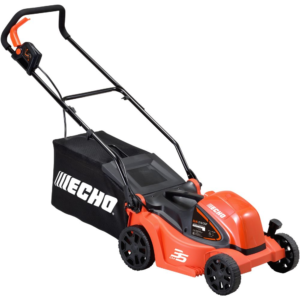
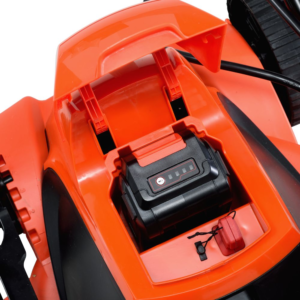
If you’ve been thinking about making the switch from gas to a cordless lawn mower, there has never been a better time to do it. The cordless lawn mower revolution is no longer a future promise — it’s a present-day reality that millions of homeowners across the country have already embraced with outstanding results. Today’s cordless mowers are quieter, smarter, cleaner, and more powerful than anything that existed in the category just five years ago.
Gone are the days when choosing a cordless option meant settling for less. Modern battery-powered lawn mowers from leading brands now deliver cutting performance that goes head-to-head with gas-powered machines — without the oil changes, spark plugs, pull-cord frustration, or exhaust fumes. For the vast majority of homeowners with small to medium-sized yards, a cordless lawn mower isn’t just a viable alternative to gas — it is flat-out the smarter choice.
Whether you’re a first-time mower buyer, a homeowner tired of gas maintenance headaches, or someone who simply wants a quieter, greener way to keep your lawn looking sharp, this guide is built for you. We cover everything — the best brands, the most important features to look for, how to match a cordless mower to your yard, standout models worth buying, and everything in between. By the time you finish reading, you’ll have a clear, confident picture of which cordless lawn mower belongs in your garage.
Why Cordless Lawn Mowers Are Taking Over the Industry
The shift toward cordless outdoor power equipment isn’t a trend driven by marketing — it’s a genuine technological evolution fueled by massive improvements in lithium-ion battery chemistry, motor efficiency, and smart power management systems. Understanding what’s driving that shift helps explain why so many homeowners are making the switch and never looking back.
The Battery Technology Has Finally Caught Up
The earliest cordless mowers were underpowered and underwhelming. Limited battery capacity meant short run times, and weaker motors struggled through anything but the most cooperative grass conditions. Those early limitations stuck in people’s minds — and many homeowners who dismissed cordless mowers a decade ago are working with an outdated mental model.
Today’s high-voltage lithium-ion platforms — particularly in the 40V, 56V, 60V, and 80V ranges — deliver power curves that match or exceed equivalent gasoline engines in residential applications. Brands like EGO Power+, Greenworks, Ryobi, and others have invested billions in battery research, and the results are mowers that start instantly, run powerfully, and operate for 45 to 75 minutes on a single charge — enough to complete most suburban lawns in one session.
No More Maintenance Headaches
Ask any homeowner who has dealt with a gas mower that wouldn’t start after winter storage, and you’ll understand one of the most compelling arguments for going cordless. Gas-powered mowers require a seasonal maintenance ritual that many people find genuinely burdensome — oil changes, air filter replacements, spark plug swaps, carburetor cleaning, and fuel stabilization before storage.
A cordless mower requires virtually none of that. There’s no oil to change, no carburetor to gum up, no spark plug to replace, and no fuel to manage or stabilize. Maintenance on a cordless mower is essentially limited to occasional blade sharpening and keeping the battery contacts clean. For busy homeowners who want a reliable, ready-to-go machine every single time they need it, cordless is a compelling upgrade.
Quiet Operation Changes How You Mow
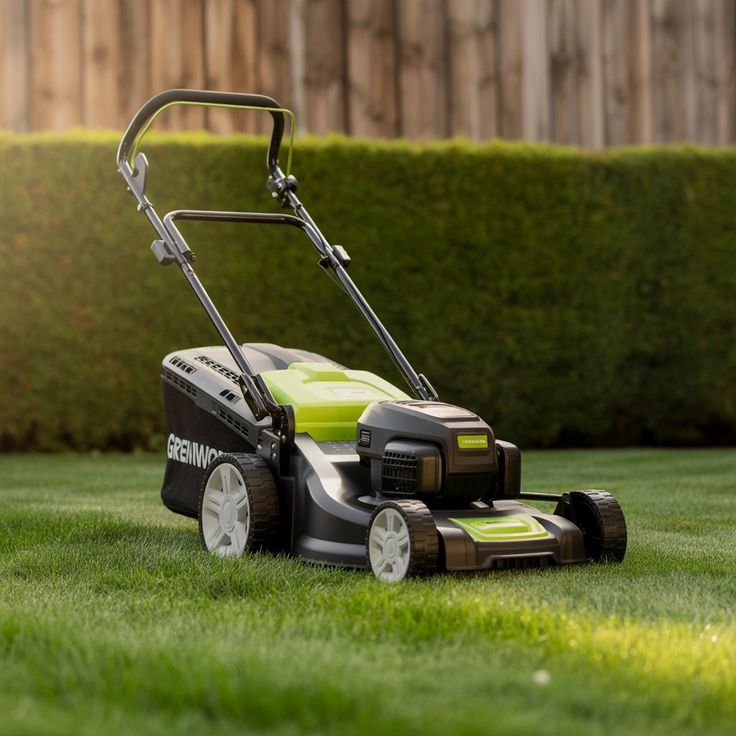
The noise difference between a gas mower and a quality cordless mower is dramatic — and it changes your mowing experience in ways you might not anticipate until you’ve lived it. Gas mowers typically operate at 85 to 95 decibels, which is loud enough to require hearing protection during extended sessions and loud enough to disturb neighbors, sleeping children, and anyone trying to enjoy a quiet morning outdoors.
A cordless mower typically operates at 60 to 75 decibels — roughly equivalent to normal conversation or a vacuum cleaner. That means you can mow at 7 AM on a Saturday without angering your neighbors, mow while a baby sleeps nearby, or simply enjoy the morning sounds of your neighborhood while taking care of your lawn. It’s a small quality-of-life improvement that ends up mattering enormously in practice.
Zero Direct Emissions — Better for You and Your Community
A single gas-powered lawn mower produces as much pollution per hour of operation as driving a modern car for hundreds of miles, according to environmental research organizations. That’s not a small thing when millions of lawns are being mowed simultaneously across suburban America every weekend.
A cordless lawn mower produces zero direct emissions during operation. If your electricity comes from renewable sources — solar, wind, or hydro — the environmental footprint drops even further. Even charging on a conventional grid, the overall lifecycle emissions of a cordless mower are substantially lower than a comparable gas model. For homeowners who care about their environmental impact, switching to cordless is one of the most tangible, immediate improvements they can make.
Types of Cordless Lawn Mowers: Finding the Right Fit
The cordless mower market has expanded significantly, and today you’ll find battery-powered options across every major mower category. Understanding the different types helps you zero in on the right machine for your specific yard and lifestyle.
Cordless Push Mowers
The most common and affordable category, cordless push mowers require the operator to provide all the forward momentum. Don’t let the “push” label mislead you — modern cordless push mowers are designed to be lightweight and easy to maneuver, and for flat yards of modest size, they’re an excellent choice.
Best for: Flat lawns under 1/3 acre, budget-conscious buyers, and homeowners who prefer a lightweight, simple machine.
Cordless push mowers typically weigh significantly less than their gas counterparts, making them especially appealing for homeowners who find heavier machines tiring to operate. They’re also the most compact option in the cordless category, folding down for space-efficient storage in small sheds or garages.
Cordless Self-Propelled Mowers
Self-propelled cordless mowers use an electric drive system to move the mower forward automatically, requiring the operator only to guide and steer. This is a genuine game-changer for anyone mowing a larger lawn, tackling slopes, or managing physical limitations that make sustained pushing difficult.
Best for: Yards from 1/4 to 1/2 acre, sloped or uneven terrain, and homeowners who prioritize ease of use over economy.
Self-propelled cordless mowers are available in front-wheel drive, rear-wheel drive, and all-wheel drive configurations. Rear-wheel drive models provide better hill-climbing traction, making them the preferred choice for yards with significant grade changes. The Yard Force 21″ Self-Propelled RWD Walk Behind Mower is a prime example of this category done right — combining rear-wheel drive traction, vertical storage technology for compact garage storage, and cordless convenience in a single well-engineered package. You can check it out directly at Sam’s Club.
Cordless Wide-Deck Mowers
For homeowners with larger open lawns who want to avoid stepping up to a riding mower, wide-deck cordless push mowers — with cutting widths of 24 to 30 inches — offer a compelling middle ground. They complete more cutting area per pass, meaningfully reducing total mowing time, while still operating quietly and emission-free.
Best for: Open lawns of 1/2 acre or more without tight landscaping, homeowners who want faster mowing without a riding tractor.
These models typically require larger battery packs to power the wider cutting systems, which pushes the price point higher — but the time savings for the right yard are genuinely significant.
Cordless Robotic Mowers
The most technologically advanced category of cordless mowers, robotic mowers operate completely autonomously — no operator required after initial setup. They navigate your lawn using boundary wire systems or GPS mapping, mowing on a preset schedule and returning to their charging dock automatically when the battery runs low.
Best for: Homeowners who want a fully hands-off lawn maintenance solution, yards with gentle slopes and manageable complexity, and tech-forward buyers willing to invest in premium convenience.
Robotic mowers aren’t for everyone — they have real limitations around steep slopes, complex landscaping, and initial setup complexity. But for the right yard and the right homeowner, they represent the ultimate expression of the cordless lawn care philosophy.
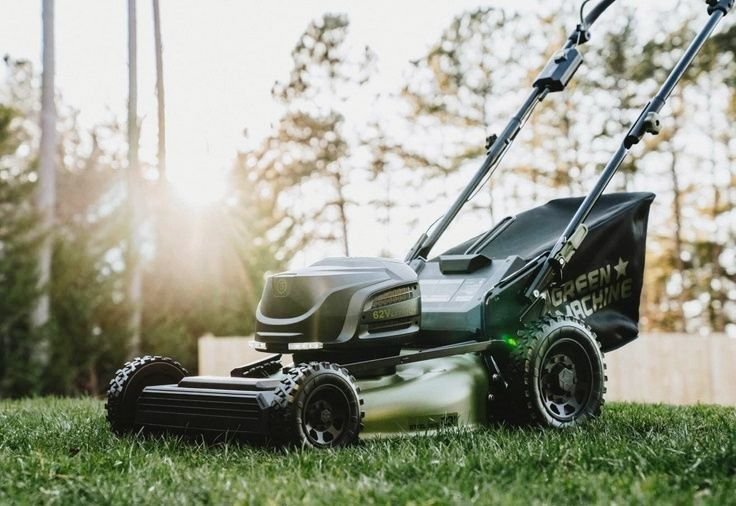
Top Brands Building the Best Cordless Lawn Mowers
Knowing which manufacturers consistently deliver the best quality in the cordless category is one of the most useful shortcuts in your buying process. Here are the brands that have earned standout reputations.
EGO Power+ — The Gold Standard in Cordless
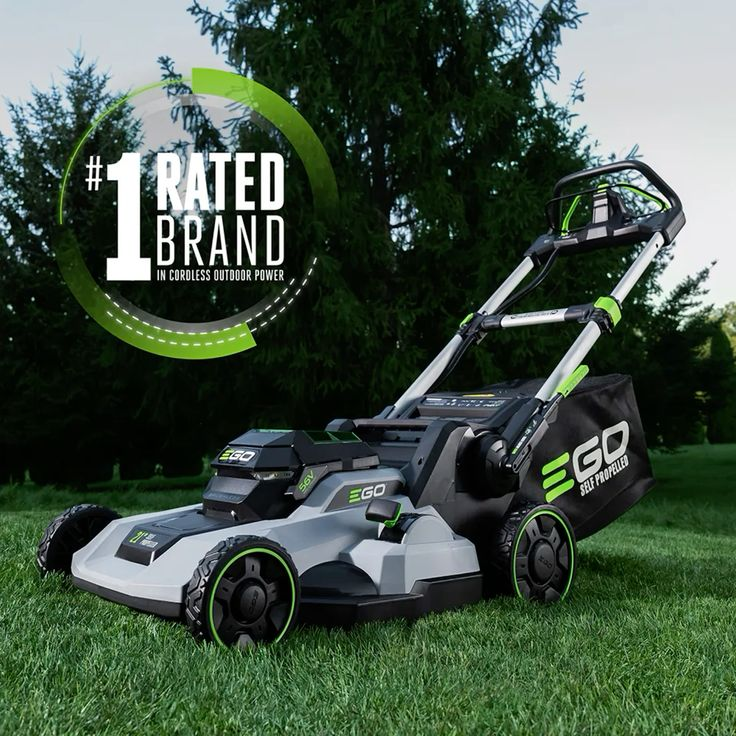
EGO Power+ has built one of the most respected reputations in outdoor power equipment by focusing exclusively on high-voltage cordless technology. Their 56V Arc Lithium platform powers an extensive ecosystem of tools — mowers, trimmers, blowers, chainsaws, edgers, pressure washers, and more — all sharing the same battery system.
What sets EGO apart is their relentless focus on performance. Their cordless mowers feature weather-resistant construction, multiple cutting modes, brushless motors for maximum efficiency, and some of the highest-rated battery systems in the industry. If you’re building toward a fully cordless outdoor toolkit, EGO’s ecosystem approach makes them the most logical starting point.
Greenworks — Best Value in the Cordless Category
Greenworks has carved out a well-earned position as the value leader in the cordless mower market. Their 40V and 60V platforms offer capable, reliable performance for small to medium yards at price points that make battery-powered mowing accessible to a much wider range of buyers.
For homeowners who want to experience the cordless difference without committing to premium pricing, Greenworks is an excellent entry point. Their warranty support is solid, their replacement parts are readily available, and their mowers consistently earn strong owner satisfaction ratings in independent reviews.
Ryobi — Best Cordless Mower for the Ecosystem Builder
Ryobi’s ONE+ and 40V platforms are among the most widely adopted battery ecosystems in the consumer tool market, with hundreds of compatible tools sharing the same battery standard. For homeowners who already own Ryobi power tools — drills, circular saws, jigsaws, and the like — adding a Ryobi cordless mower to the ecosystem makes exceptional financial sense.
Ryobi mowers are competitively priced, reliably built, and widely supported through Home Depot partnerships that make finding replacement parts and accessories straightforward. They may not match EGO at the performance ceiling, but they offer compelling value for the vast majority of residential applications.
Yard Force — Innovative Cordless with Smart Features
Yard Force has emerged as a genuinely interesting player in the cordless mower space, particularly for homeowners who prioritize smart design and storage convenience. Their vertical storage technology — as featured in their popular self-propelled RWD walk-behind models — allows the mower to stand upright on its rear wheels, dramatically reducing the floor space required for storage.
This is a surprisingly practical innovation for homeowners with small garages or cramped storage situations. Combined with rear-wheel drive self-propulsion and strong battery performance, Yard Force mowers offer a thoughtful, well-rounded package that punches above its price point. Their self-propelled 21″ walk-behind model available at Sam’s Club is a particularly strong buy for homeowners who need capable cordless performance with space-saving storage built right in.
Husqvarna — Premium Cordless for Demanding Homeowners
Husqvarna has extended their formidable reputation in outdoor power equipment into the cordless category with a lineup of battery-powered mowers that bring genuine commercial-grade engineering to residential applications. Their BLi battery platform is powerful, well-managed, and designed for long service life.
Husqvarna cordless mowers are not the cheapest option on the market — but for homeowners who demand premium build quality, precise cutting performance, and long-term reliability, they represent a compelling investment in the top tier of the category.
Milwaukee Tool — Cordless for the Power-Focused Homeowner
Milwaukee’s M18 and M60 platforms are synonymous with professional-grade tool performance, and their entry into the outdoor power equipment space has brought that same performance focus to cordless mowing. Milwaukee mowers are built to a higher mechanical standard than most consumer-oriented competitors, making them particularly appealing to homeowners with physically demanding mowing conditions.
What to Look for When Buying a Cordless Lawn Mower
Shopping for the best cordless mower requires evaluating several key specifications and features that directly impact real-world performance. Here’s what to prioritize.
Battery Voltage and Capacity
Voltage determines the power ceiling of your cordless mower — higher voltage means more potential cutting power. Here’s a general guide:
- 24V–36V: Entry-level platforms suitable for very small, flat lawns only
- 40V: A capable mid-range that handles most suburban yards up to 1/3 acre
- 56V–60V: The performance sweet spot — matches gas power for most residential applications
- 80V and above: Premium platforms designed for large yards or demanding conditions
Battery capacity, measured in ampere-hours (Ah), determines how long your mower runs before needing a recharge. A larger Ah rating means longer run time. For a typical 1/4-acre yard, a 4.0–5.0 Ah battery is generally sufficient. For 1/2 acre or more, look for 7.5 Ah or higher, or consider a mower that supports dual-battery operation.
Brushless Motor Technology
Brushless motors are significantly more efficient than brushed alternatives — they produce less heat, consume less battery power per unit of work, and last dramatically longer before requiring service. When comparing cordless mowers, brushless motor technology is one of the most important upgrades you can make.
Brushless motors also provide smarter power delivery — they automatically adjust power output based on cutting conditions, drawing maximum torque through thick grass and throttling back in lighter conditions to conserve battery. This dynamic power management extends run time meaningfully compared to fixed-output brushed motors.
Cutting Deck Size
As with any push mower, deck size determines how much grass you cut with each pass. For most residential cordless mowers:
- 18–19 inch: Compact and maneuverable for small, landscaped yards
- 20–21 inch: The most common size — a well-balanced choice for most yards
- 22 inch and above: Faster coverage for larger open lawns
One consideration specific to cordless mowers: wider decks require more power per pass, which affects battery run time. A 22-inch deck on a 40V platform will drain the battery noticeably faster than a 21-inch deck on the same platform. Match your deck size to your battery voltage and capacity accordingly.
Run Time and Charging Speed
Real-world run time is one of the most important practical specifications for any cordless mower. Manufacturer-stated run times are typically measured under ideal conditions — short, well-maintained grass on flat terrain — and actual run times in thicker or taller grass will be lower.
As a general rule, add at least 15–20% to whatever yard area the manufacturer claims for their stated run time, and use that adjusted figure for your planning. If you’re close to the limit, either purchase a second battery or choose a higher-capacity pack.
Charging speed matters almost as much as run time. Some premium cordless mowers include rapid chargers that restore a depleted battery to full in 30–45 minutes. Standard chargers may take 60–90 minutes or more. If you’re mowing a larger yard in multiple sessions, a rapid charger can make the difference between a minor pause and a frustrating multi-hour wait.
Grass Discharge Options
The best cordless mowers offer the same 3-in-1 discharge flexibility as the best gas mowers:
Mulching is the most popular option for regular maintenance mowing — it finely chops clippings and returns them to the lawn surface as natural fertilizer, eliminating bagging entirely.
Rear bagging collects clippings for disposal — necessary when grass has grown long between mowings or when a clean, clipping-free surface is desired.
Side discharge ejects clippings laterally — useful when mowing very overgrown grass that would overwhelm a mulching system.
Look for cordless models that include all three discharge options with tool-free configuration changes. The best mowers make it simple to switch between modes in under a minute.
Vertical Storage Capability
Storage space is a real constraint for many homeowners, and it’s worth actively looking for cordless mowers designed with compact storage in mind. Folding handle systems are standard, but some mowers go further — Yard Force’s vertical storage technology, for example, allows the mower to stand completely upright on its rear wheels, cutting the floor footprint to a fraction of a conventionally stored machine.
For homeowners with small garages, apartment storage areas, or shared spaces, this kind of thoughtful storage design can be a genuine differentiator in the buying decision.
Cordless Lawn Mower Maintenance: Keeping Your Mower in Peak Condition
One of the biggest advantages of going cordless is the dramatically simplified maintenance routine. But there are still important care practices that protect your investment and ensure consistent performance year after year.
Blade Maintenance
The cutting blade is the hardest-working component of any cordless mower, and it deserves regular attention. A sharp blade cuts grass cleanly at a cellular level, allowing the plant to heal quickly and maintain a healthy green appearance. A dull blade tears grass, leaving ragged brown edges and stressing the entire lawn over time.
Sharpen your cordless mower blade at the beginning of each season, and more frequently if you mow frequently, mow in sandy or abrasive soils, or regularly encounter sticks and debris. Most small engine shops offer blade sharpening services for a modest fee, or you can sharpen the blade yourself with a metal file or bench grinder with practice.
Always disconnect the battery before removing or inspecting the blade. This is a non-negotiable safety practice — removing the power source before blade maintenance eliminates any possibility of accidental motor activation.
Battery Care and Storage
Lithium-ion batteries are durable and long-lasting when treated properly, but they can be degraded by poor storage practices. Follow these guidelines to maximize your battery’s service life:
During the season:
- Avoid running the battery completely to zero frequently — lithium-ion chemistry performs best when cycled between roughly 20% and 80% charge
- Store the battery out of direct sunlight and away from heat sources when not in use
- Clean the battery terminals periodically with a dry cloth to maintain consistent electrical contact
During off-season storage:
- Store batteries at approximately 50–60% charge — neither fully charged nor fully depleted
- Keep batteries indoors in a climate-controlled environment — extreme cold dramatically reduces lithium-ion capacity, and extreme heat accelerates degradation
- Never store batteries in a vehicle, shed, or unheated garage over winter
Deck Cleaning
Grass buildup underneath the cutting deck is the most overlooked maintenance issue for cordless mower owners. Dried, compacted grass clippings restrict airflow, reduce cutting efficiency, and can harbor moisture that promotes rust on metal deck surfaces.
Clean the underside of your deck after every few mowing sessions — or more frequently during the peak growing season when clippings are abundant. Many cordless mowers include a wash-out port that makes this as simple as connecting a garden hose. If yours doesn’t, a plastic scraper and a garden hose with a spray nozzle will accomplish the same result.
Cordless vs. Gas: The Definitive Comparison
If you’re still on the fence between cordless and gas, here’s an honest, direct comparison across the factors that matter most.
Starting: Cordless wins decisively. Push-button starts every time versus pull-cord systems that can be temperamental, especially after winter storage.
Power: Gas wins for extreme conditions — very thick, tall, or wet grass in demanding conditions. Cordless wins for all typical residential applications.
Run Time: Gas wins — unlimited run time with a full tank. Cordless is limited by battery capacity, though a second battery eliminates this concern for most yards.
Noise: Cordless wins dramatically — typically 20+ decibels quieter than comparable gas models.
Maintenance: Cordless wins comprehensively — no oil, no spark plugs, no air filters, no carburetor, no fuel management.
Emissions: Cordless wins — zero direct emissions versus significant pollutant output from gas engines.
Upfront Cost: Gas wins at the entry level, though premium cordless models are increasingly price-competitive.
Long-Term Cost: Cordless often wins — lower fuel and maintenance costs over time can offset the higher upfront price within 2–3 seasons.
For most homeowners, the balance tips clearly in favor of cordless when all factors are considered together.
Frequently Asked Questions About Cordless Lawn Mowers
How long does a cordless lawn mower battery last? Most quality cordless mower batteries deliver 45 to 75 minutes of run time per charge under normal mowing conditions. Higher-capacity batteries (7.5 Ah and above) can extend this to 90 minutes or more on lower-demand settings. Battery service life — how many charge cycles before performance degrades significantly — typically ranges from 300 to 500 full cycles for quality lithium-ion packs, translating to 5–10 years of typical residential use.
Can a cordless lawn mower handle thick or tall grass? High-voltage cordless mowers (56V, 60V, and above) with brushless motors handle moderately thick or slightly overgrown grass well. For very tall or severely neglected grass, a gas mower still has an edge in raw torque. If you need to tackle occasionally overgrown grass, mow in two passes — first at a higher cutting height to remove the top third, then a second pass at your desired final height.
Are cordless mowers good for hills? Yes, particularly self-propelled cordless models with rear-wheel drive. Rear-wheel drive provides better uphill traction than front-wheel drive configurations. For steep slopes above 15 degrees, an all-wheel drive self-propelled model is the safest and most effective choice.
Is it worth buying a second battery for a cordless mower? Absolutely, especially if your yard approaches the upper limit of your battery’s rated coverage. A second battery gives you the flexibility to swap mid-mow and continue immediately without waiting for a recharge — effectively doubling your uninterrupted mowing capacity. Many cordless mower bundles at Sam’s Club include a second battery at a combined price that represents strong value.
What voltage cordless mower should I buy? For yards under 1/4 acre, a 40V platform is generally sufficient. For yards between 1/4 and 1/2 acre, a 56V or 60V model provides a better balance of power and run time. For larger yards, look for 80V platforms or dual-battery systems that extend run time and maintain cutting power throughout a longer session.
Final Thoughts: Is a Cordless Lawn Mower Right for You?
The honest answer is: for the vast majority of today’s homeowners, yes — a cordless lawn mower is not just right, it’s arguably the best all-around choice available in 2024. The technology has matured to the point where the traditional trade-offs against gas have largely disappeared for typical residential applications, while the genuine advantages — quiet operation, zero emissions, push-button starts, and minimal maintenance — remain as compelling as ever.
The key is choosing the right cordless mower for your specific yard, not simply picking the best-reviewed model or the most attractive price. Match your battery voltage and capacity to your yard size, choose self-propelled if you have slopes or a larger lawn, and prioritize brushless motor technology for the best combination of power and efficiency.
Whether you’re drawn to the innovative vertical storage design of the Yard Force self-propelled RWD model, the premium performance of EGO’s 56V platform, or the accessible value of a Greenworks 40V option, Sam’s Club offers a genuinely strong selection of cordless mowers that deliver excellent value for members. Explore the full lineup at Sam’s Club to compare current models, pricing, and any active promotions.
And when you’re ready to compare options across multiple retailers and find the perfect cordless mower for your lawn, our lawn mower shop is here with expert recommendations, detailed comparisons, and curated picks for every yard type and budget. Make the switch to cordless today — your lawn, your neighbors, and your Saturday mornings will thank you.