Uncategorized
Electric Riding Mower: The Best Powerful & Surprisingly Affordable Options in 2026
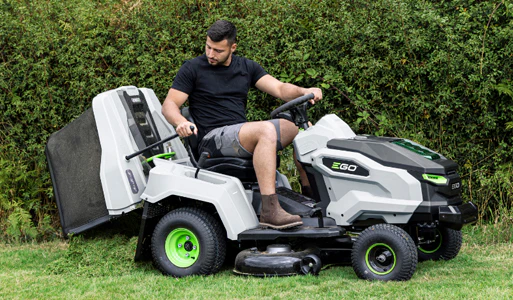
Mar
If you’ve been putting off upgrading your lawn care routine, the rise of the electric riding mower might be exactly the push you needed. What was once a niche, expensive, and underperforming category has transformed dramatically over the past few years into one of the most exciting segments in outdoor power equipment. Today’s electric riding mowers are quieter, cleaner, more powerful, and far more accessible than most homeowners realize — and 2026 is arguably the best year yet to make the switch.
For decades, gas-powered riding mowers were the only realistic option for homeowners managing large yards. They got the job done, but they came with a long list of trade-offs: engine noise, exhaust fumes, seasonal maintenance rituals, and the ever-present frustration of a pull cord that wouldn’t cooperate on a cold spring morning. The electric riding mower eliminates every single one of those pain points while delivering cutting performance that now rivals — and in many cases exceeds — comparable gas-powered alternatives.
Whether you’re managing half an acre of flat suburban lawn or navigating a sprawling two-acre property with slopes, obstacles, and mixed grass conditions, there is an electric riding mower designed specifically for your situation. This guide covers everything you need to know — from how today’s best models compare to the key features that separate a great purchase from a disappointing one, and everything in between.
Why the Electric Riding Mower Is Having Its Moment Right Now
The timing of the electric riding mower’s rise to mainstream relevance is no accident. Several converging forces have aligned to make 2026 the tipping point for this category.
Battery Technology Has Finally Caught Up
The single biggest barrier to electric riding mower adoption historically was battery performance. Early models offered inadequate run times, slow charging, and batteries that degraded quickly under the demands of large-area mowing. That era is decisively over.
Today’s leading electric riding mowers use advanced lithium-ion battery packs in the 48V to 80V+ range, delivering run times of 1 to 2.5 hours per charge — enough to cover 1 to 3 acres depending on grass conditions, terrain, and cutting speed. Rapid charging technology has also improved significantly, with some premium models reaching full charge in under 2 hours.
The Total Cost of Ownership Math Has Shifted
Gas riding mowers carry ongoing costs that buyers often underestimate at purchase: fuel, oil changes, spark plugs, air filters, belt replacements, carburetor cleaning, and professional servicing. These costs add up to hundreds of dollars per year for a well-used machine.
An electric riding mower eliminates almost all of those recurring expenses. The cost of electricity to charge a mower battery is a fraction of equivalent fuel costs, and the mechanical simplicity of an electric drivetrain dramatically reduces maintenance needs and repair frequency. Over a 5-to-10-year ownership horizon, the total cost advantage of electric is increasingly compelling.
Environmental and Lifestyle Motivations Are Growing
More homeowners are actively seeking ways to reduce their environmental footprint, and lawn care is a surprisingly significant contributor to residential emissions. A single gas-powered lawn mower can produce as much air pollution per hour of operation as driving a modern car for significant distances. Switching to an electric riding mower eliminates direct emissions entirely — a meaningful change for environmentally conscious homeowners.
Beyond environmental impact, the quality-of-life improvement from quieter operation is something that users consistently mention as more valuable than they anticipated. Being able to mow without hearing protection, without disturbing sleeping family members, and without triggering complaints from neighbors is a genuinely transformative experience once you’ve lived it.
Types of Electric Riding Mowers: Finding the Right Style for Your Yard
Not all electric riding mowers are built the same way, and the style differences go far beyond aesthetics. Understanding the major configuration types is essential to making a smart purchase.
Electric Lawn Tractors — The Classic Electric Riding Mower Format
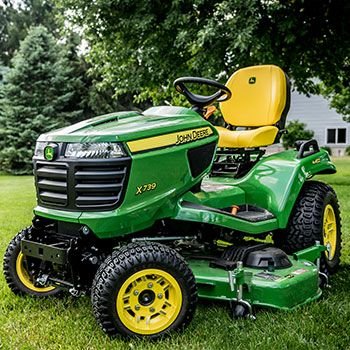
Electric lawn tractors follow the traditional riding mower layout: a wide cutting deck mounted under the frame, with a steering wheel, an operator seat, and a relatively conventional riding experience. This format is the most familiar to homeowners upgrading from gas riding mowers, which makes the transition to electric significantly smoother.
Best for: Homeowners with 1/2 to 2 acres of open lawn, relatively flat to moderately sloped terrain, and anyone who values a familiar, comfortable riding experience.
Electric lawn tractors typically offer cutting deck widths from 38 to 54 inches, allowing them to cover large areas efficiently without requiring the operator to make as many passes as a walk-behind mower would. Most feature adjustable cutting height, multiple discharge options, and comfortable padded seating for extended mowing sessions.
Electric Zero-Turn Mowers — The Best Electric Riding Mower for Speed and Precision
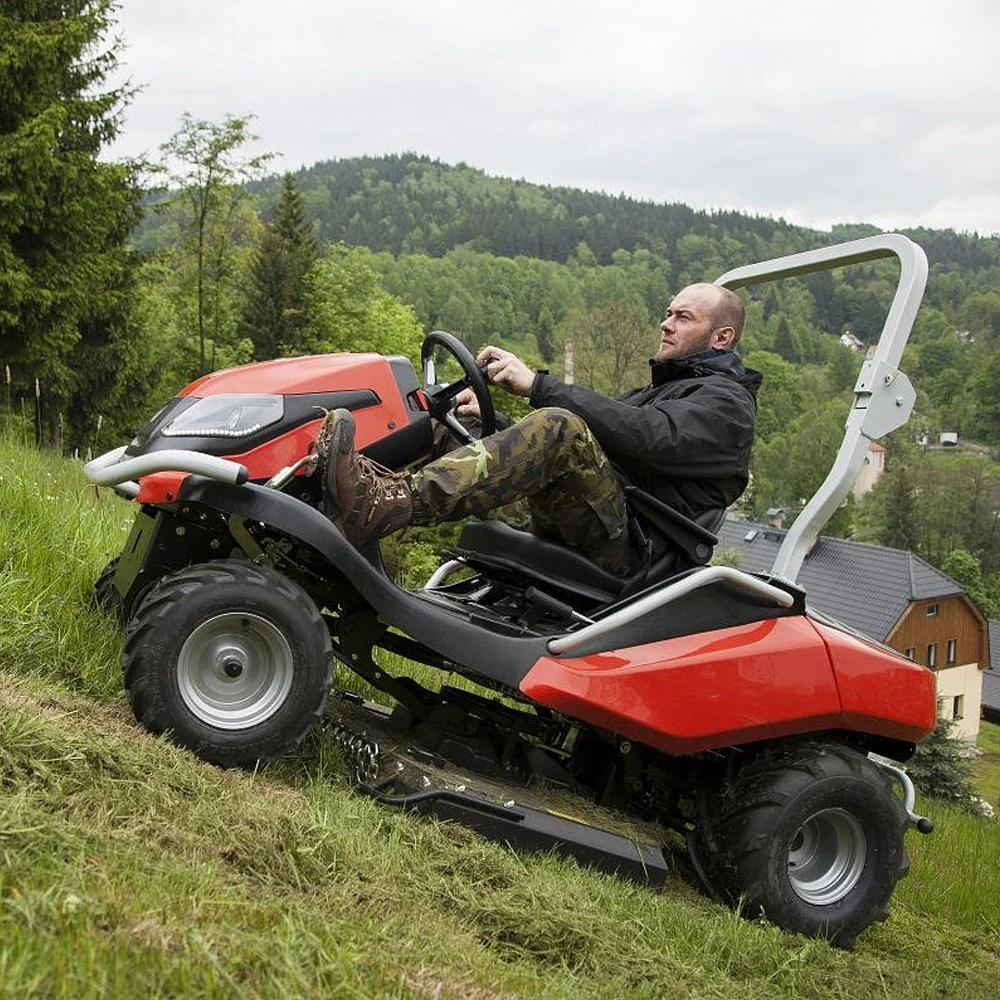
Zero-turn mowers use a dual hydrostatic drive system controlled by lap bars rather than a steering wheel, allowing the machine to pivot on a near-zero turning radius. This makes them dramatically faster and more precise around obstacles than conventional lawn tractors — and electric zero-turn models bring all of those advantages without the noise and emissions of their gas-powered counterparts.
Best for: Homeowners with 1 to 3+ acres, yards with significant landscaping features (trees, garden beds, structures), and anyone who wants to minimize mowing time through maximum efficiency.
Electric zero-turn mowers sit at the premium end of the electric riding mower market, with leading models from brands like EGO, Husqvarna, and Mean Green commanding prices that reflect their professional-grade performance. However, for homeowners who are serious about their lawn and value their time, the investment is frequently justified by the sheer efficiency gains.
Electric Rear-Engine Riding Mowers — The Compact Electric Riding Mower Option
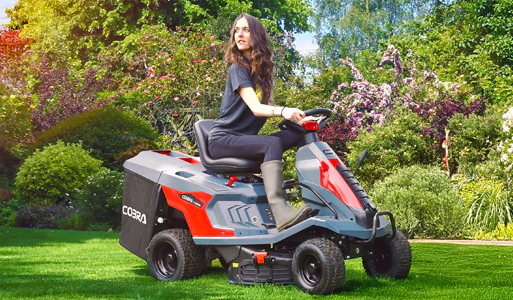
Rear-engine riding mowers place the engine (or in the electric case, the motor and battery) behind the operator rather than in front, resulting in a more compact overall footprint. This makes them easier to maneuver in tighter spaces and more practical for smaller lots where a full-size lawn tractor would feel oversized.
Best for: Smaller properties (1/3 to 3/4 acre) where a walk-behind mower feels insufficient but a full-size riding tractor feels excessive. Also excellent for homeowners with limited storage space who need a more compact machine.
Brands like Snapper and Cub Cadet have historically been strong players in the rear-engine segment, and electric versions of these compact riders offer a particularly appealing package for suburban homeowners caught between walk-behind and full tractor territory.
Electric Riding Mower with Tow Capacity — More Than Just a Mower
Many electric riding mowers can be equipped with tow hitch attachments, allowing them to pull carts, spreaders, aerators, or dethatchers. This versatility transforms the machine from a single-purpose mower into a multi-function property maintenance tool — a significant value multiplier, especially for homeowners managing large yards with varied seasonal maintenance needs.
When shopping for an electric riding mower that you intend to use for towing, pay close attention to the listed towing capacity and make sure it aligns with the loads you anticipate pulling. Electric tractors with powerful hub motors generally handle towing tasks very well, though zero-turn models can be less suited for heavy towing due to their drive configuration.
Top Brands Making the Best Electric Riding Mowers in 2026
The electric riding mower market has attracted some of the most respected names in outdoor power equipment, and competition among them has driven rapid improvement in quality, performance, and value. Here are the brands leading the category.
EGO Power+ — Premium Electric Riding Mower Performance
EGO’s expansion from cordless walk-behind mowers into the riding mower category has been one of the outdoor equipment industry’s most impressive brand evolutions. Their ZT4204L and ZT5204L zero-turn electric riding mower models set a high standard for battery-powered performance, featuring 42-inch and 52-inch cutting decks respectively and a multi-battery power system that delivers runtime capable of handling most large residential properties.
What makes EGO’s electric riding mower lineup particularly compelling is the integration with their broader 56V ecosystem. While the riding mowers use a dedicated multi-battery system, EGO’s investment in battery technology across their entire product line has produced a riding mower platform that is genuinely best-in-class for residential use.
EGO backs their riding mowers with strong warranty coverage and a growing network of authorized service centers — important considerations for any high-ticket equipment purchase.
Ryobi — The Most Accessible Electric Riding Mower Brand
Ryobi has built one of the most complete and accessible electric riding mower lineups in the market, covering everything from compact 38-inch deck lawn tractors to 54-inch zero-turn models at price points that make electric riding genuinely affordable for a wide range of homeowners.
Their 48V and 80V riding mower platforms offer solid performance for typical residential properties, and Ryobi’s widespread retail presence through Home Depot makes their machines easy to see, test, and purchase. Their customer service network is also among the most accessible of any electric riding mower brand.
For homeowners who want to enter the electric riding mower category without paying premium brand prices, Ryobi offers the most compelling combination of value and capability currently available.
Husqvarna — Engineering Excellence in Electric Riding Mowers
Husqvarna’s commercial heritage makes their entry into electric riding mowers particularly noteworthy. Their PACE series electric riding mowers bring genuine professional-grade engineering to the residential market, featuring robust battery systems, precision cutting decks, and the kind of build quality that homeowners accustomed to Husqvarna’s gas products expect from the brand.
Husqvarna electric riding mowers are designed for durability, featuring reinforced steel decks, commercial-grade cutting blades, and heavy-duty drive systems. They’re an excellent choice for homeowners who view their mower as a long-term investment rather than a commodity purchase.
Greenworks — Budget-Friendly Electric Riding Mowers Done Right
Greenworks has established itself as one of the best value propositions in the electric outdoor equipment market, and their riding mower lineup reflects that positioning. Their 60V and 80V electric riding tractor models offer capable performance for residential properties at price points significantly below EGO or Husqvarna equivalents.
For homeowners managing yards in the 1/2 to 1-acre range who want an electric riding mower without an enormous upfront investment, Greenworks delivers reliable performance at an honest price point. Their battery platform is well-developed, their machines are straightforward to operate, and their warranty coverage is competitive.
Mean Green — Professional Electric Riding Mowers for Serious Homeowners
Mean Green occupies the premium end of the electric riding mower market, producing machines that are built to commercial landscaping standards with residential homeowners in mind. Their Nemesis and Stalker series zero-turn electric mowers feature exceptionally robust battery systems, high-output hub motors, and a level of construction quality that justifies their premium pricing for buyers who demand the best.
If you’re managing a property of 2+ acres and want an electric riding mower that will perform at the highest level for a decade or more, Mean Green deserves serious consideration — particularly if you’re already committed to electric equipment and want a machine that truly eliminates any remaining performance gap with gas alternatives.
Key Features to Evaluate When Buying an Electric Riding Mower
With premium models in the category now costing $3,000 to $8,000 or more, buying an electric riding mower is a significant decision. Here’s the feature checklist that should drive your evaluation.
Battery Capacity and Run Time
This is the most important specification on any electric riding mower. Battery capacity is measured in amp-hours (Ah) and determines how long the mower can operate before requiring a charge. For a typical 1-acre lawn, you need a mower capable of at least 60 to 90 minutes of continuous operation under normal conditions.
Manufacturers typically rate battery life under ideal conditions — flat terrain, dry grass, moderate cutting speed. In real-world use with thicker grass, slopes, or slower cutting speeds (which require more passes), actual runtime will typically be 10–20% below the rated figure. Build this margin into your evaluation.
Recommended minimum battery specifications by property size:
- Up to 1/2 acre: 40–60 minute rated run time
- 1/2 to 1 acre: 60–90 minute rated run time
- 1 to 2 acres: 90–120 minute rated run time
- 2+ acres: 120+ minutes or dual-battery systems with hot-swap capability
Cutting Deck Width and Construction
Cutting deck width directly determines mowing efficiency. A wider deck covers more ground per pass, reducing total mowing time — a particularly important factor for larger properties.
Electric riding mowers currently available on the market offer deck widths from 30 inches on compact rear-engine models to 54 inches on full-size zero-turn machines. For most homeowners mowing between 1/2 and 1.5 acres, a 42-to-48-inch deck strikes the best balance between efficiency and maneuverability.
Deck construction matters as much as width. Look for stamped or fabricated steel decks — welded fabricated decks are more durable under heavy use, while stamped decks are lighter and more impact-resistant for typical residential use. Avoid plastic deck components on any machine you intend to use frequently or in demanding conditions.
Motor Power and Torque
Electric motors produce their maximum torque instantaneously — unlike gas engines, which need to rev up to their power band. This characteristic gives electric riding mowers an inherent advantage when starting cuts in thick or tall grass.
Motor power in electric riding mowers is typically expressed in watts or volts, though horsepower equivalents are sometimes listed for comparison purposes. For a full-size riding mower with a 42-inch or larger deck, look for a combined motor output equivalent of at least 10 to 14 horsepower to ensure adequate power for demanding conditions.
Charging Time and Infrastructure
A mower with an excellent run time is less useful if it requires 8 hours to recharge between sessions. Check the charging time specification carefully and consider whether the machine includes a rapid charger or requires a separate purchase.
Most modern electric riding mowers charge fully in 2 to 4 hours using included chargers. Premium models with dual-battery systems may support simultaneous charging of both packs, effectively halving the total wait time between mowing sessions.
Also consider your charging infrastructure. Most electric riding mower chargers use standard 120V household outlets, but some higher-capacity systems require 240V outlets — the same type used for electric dryers or EV chargers. Confirm compatibility with your available power infrastructure before purchasing.
Cutting Height Range and Adjustment Mechanism
Different grass types require different cutting heights, and the best electric riding mower for your lawn should offer enough range to accommodate your specific grass species and maintenance preferences.
Look for a cutting height range of at least 1.5 to 4.5 inches, with smooth, easy adjustment accessible from the operator seat. Seat-adjustable height control is a premium feature worth seeking on any riding mower — having to dismount and manually adjust deck height is a meaningful inconvenience during a long mowing session.
Comfort and Operator Features
You may spend hours per week in the operator seat during peak season, so comfort features deserve serious weight in your evaluation.
Key comfort and usability features to look for:
- High-back padded seat with adjustable fore-aft positioning
- Cup holder and storage compartments for extended sessions
- LED headlights for low-light mowing in early morning or evening
- USB charging ports on premium models
- Intuitive controls with clear labeling and logical layout
- Blade engagement switch that is easily accessible without stretching
Electric Riding Mower vs. Gas Riding Mower: An Honest Comparison
For homeowners who are on the fence between electric and gas, a clear-eyed comparison of the two options is the most useful tool for making a confident decision.
Performance
In terms of raw cutting performance, today’s best electric riding mowers are genuinely competitive with comparable gas models. The torque advantage of electric motors gives them a slight edge in thick grass conditions, while gas models maintain a marginal edge in sustained high-demand situations like cutting very tall, overgrown fields.
For the overwhelming majority of residential mowing scenarios — well-maintained lawns, regular mowing schedules, typical grass species — the performance difference between electric and gas is functionally negligible.
Total Cost of Ownership
Gas riding mowers have a lower upfront purchase price at comparable specification levels, but the ongoing cost gap favors electric significantly over time. Fuel costs for a gas riding mower used regularly during peak season can easily reach $100–$200 annually. Add oil changes, filters, belts, spark plugs, and occasional professional servicing, and annual maintenance costs of $150–$300 or more are typical.
An electric riding mower’s annual energy cost for equivalent use is typically $15–$40 in electricity, with maintenance needs largely limited to blade sharpening and seasonal inspection. Over a 10-year ownership period, this difference can easily exceed $2,000 — a significant portion of the purchase price premium for electric models.
Environmental Impact
There is no meaningful debate here: electric riding mowers produce zero direct emissions during operation, while gas mowers produce measurable quantities of hydrocarbons, nitrogen oxides, and particulate matter. For environmentally conscious homeowners, this is a decisive factor.
Noise Level
Gas riding mowers typically operate at 85 to 95 decibels — loud enough to require hearing protection during extended use and loud enough to be clearly audible to neighbors. Electric riding mowers operate at 65 to 75 decibels — roughly comparable to a normal conversation, and completely manageable without hearing protection.
This difference is harder to appreciate in a showroom or spec sheet comparison, but it becomes one of the most frequently cited advantages by electric riding mower owners in practice.
Maintenance Requirements
Gas riding mowers require seasonal maintenance that is time-consuming, skill-dependent, and recurring. Electric riding mowers require almost none of it. No oil to change, no spark plugs to replace, no carburetor to clean, no fuel stabilizer to add before winter storage.
For homeowners who are not mechanically inclined or simply don’t want the hassle of regular engine maintenance, electric riding mowers offer a dramatically more convenient ownership experience.
Getting More From Your Electric Riding Mower: Tips for Best Results
Owning the best electric riding mower is only the beginning. Getting maximum performance and longevity from your investment requires a few consistent practices.
Mow Regularly and Never Remove More Than One-Third of Blade Height
The one-third rule is one of the most important principles in lawn care: never remove more than one-third of the grass blade’s height in a single mowing. Cutting more than this stresses the plant, depletes root energy reserves, and leaves the lawn vulnerable to weed invasion and drought stress.
For an electric riding mower, following this rule also means the cutting system is never overloaded — which protects battery life, motor longevity, and blade sharpness simultaneously.
Keep Cutting Blades Sharp
Sharp blades on your electric riding mower are as important as they are on any other mower type. Dull blades tear grass rather than cutting it cleanly, resulting in brown-tipped, stressed turf and unnecessarily increased motor load — which drains battery capacity faster.
Inspect your blades at least twice per season and sharpen or replace them whenever you notice ragged cut edges in your lawn. For most homeowners mowing regularly, blade sharpening once or twice per season is sufficient.
Store Your Battery Properly During Off-Season
Lithium-ion batteries are sensitive to temperature extremes and prolonged storage at either full charge or complete depletion. For winter storage, charge your electric riding mower’s battery to approximately 50–70% capacity and store it in a climate-controlled space — ideally between 50°F and 70°F.
Never store a lithium-ion battery pack fully depleted, as this can cause irreversible cell degradation. A battery stored correctly between seasons will maintain significantly more of its original capacity over its service life.
Clean the Deck After Every Few Sessions
Grass clippings that accumulate on the underside of the cutting deck reduce airflow, impair mulching performance, and can accelerate corrosion on steel components. Rinse the underside of your electric riding mower’s deck with water after every 3 to 5 mowing sessions, and use a plastic scraper to remove any stubborn caked-on material.
Many modern electric riding mowers include a deck washout port — a fitting that connects to a garden hose for easy underside rinsing. If your model has one, use it regularly.
Pairing Your Electric Riding Mower with the Right Walk-Behind Mower
Even the best electric riding mower has limitations around edges, tight corners, and areas close to landscaping features that a wide cutting deck simply cannot reach. Pairing your riding mower with a quality self-propelled walk-behind mower creates a complete, efficient lawn care system that handles every inch of your property.
For homeowners looking for a capable, modern walk-behind companion to complement their electric riding mower, the Yard Force 21″ Self-Propelled RWD Walk Behind Mower with Vertical Storage Technology is an excellent option worth considering. Its rear-wheel drive self-propel system handles slopes confidently, while the vertical storage design makes it exceptionally practical for garages and sheds where floor space is at a premium. Together with an electric riding mower, it gives you comprehensive coverage of even the most complex property layouts.
For a broader selection of both riding and walk-behind electric mowers, visit our lawn mower shop where we’ve curated the best options across every category to help you build the perfect lawn care toolkit for your property.
Frequently Asked Questions About Electric Riding Mowers
How long does an electric riding mower battery last per charge? Most current electric riding mower models offer between 60 and 150 minutes of run time per charge, depending on battery capacity, terrain, grass conditions, and cutting speed. Premium models with multi-battery systems can extend this range significantly. For most homeowners mowing up to 1.5 acres, a single charge is sufficient to complete the job.
Are electric riding mowers powerful enough for thick grass? Yes — modern electric riding mowers with high-voltage battery systems deliver torque that is fully competitive with comparable gas models in thick grass conditions. The instantaneous torque delivery of electric motors is actually an advantage in dense cutting situations, where gas engines may bog down before reaching their power band.
How much does an electric riding mower cost? Entry-level electric riding mowers from brands like Ryobi and Greenworks start around $1,500 to $2,500. Mid-range models from EGO and Husqvarna typically range from $3,000 to $5,000. Premium and commercial-grade models from Mean Green and similar brands can reach $6,000 to $10,000 or more.
Can an electric riding mower handle hills? Most quality electric riding mowers are rated for slopes up to 15 degrees. Zero-turn models may have steeper restrictions due to their drive configuration. For properties with significant slopes, look specifically for models rated for hillside operation and prioritize all-wheel traction features.
What maintenance does an electric riding mower require? Maintenance requirements are dramatically lower than gas equivalents. Core tasks include seasonal blade sharpening, deck cleaning after mowing sessions, battery storage management during off-season, and periodic inspection of belts and wheel bearings. No oil changes, spark plugs, air filters, or fuel system maintenance is required.
How long does an electric riding mower last? With proper maintenance and battery care, a quality electric riding mower should provide 8 to 15 years of reliable service. Battery packs — the most likely component to require replacement — typically maintain adequate capacity for 5 to 8 years of regular use, after which replacement packs are available from most major brands.
Final Thoughts: Is an Electric Riding Mower Right for You?
The honest answer for most homeowners managing yards of half an acre or more is increasingly: yes. The electric riding mower has crossed the threshold from promising alternative to genuinely superior choice for the majority of residential mowing applications.
The combination of improved battery performance, dramatically lower maintenance requirements, quieter operation, zero direct emissions, and a total cost of ownership that increasingly favors electric over a realistic ownership horizon makes a compelling case that is harder to argue against with each passing model year.
If you’ve been managing your property with a gas riding mower and finding the noise, fumes, and annual maintenance ritual increasingly tiresome, 2026 is the right year to make the switch. The technology is mature, the options are plentiful, the prices are competitive, and the ownership experience is genuinely better in the ways that affect your day-to-day life most directly.
Start your search by exploring our full lawn mower shop for expert recommendations, detailed comparisons, and curated picks across every electric riding mower category. And if you’re also in the market for a quality walk-behind companion mower, take a close look at the Yard Force 21″ Self-Propelled RWD Walk Behind Mower at Sam’s Club — a smart, practical pairing for any homeowner building a complete electric lawn care toolkit.
Your lawn deserves the best. So does your Saturday morning.
