
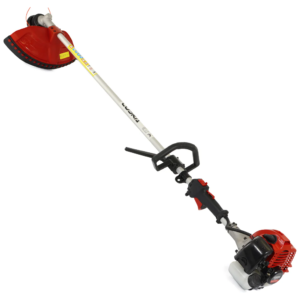

Petrol Brush Cutters
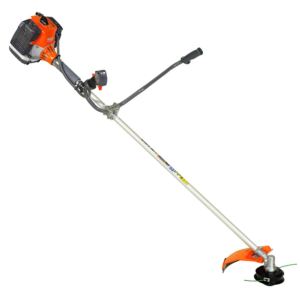
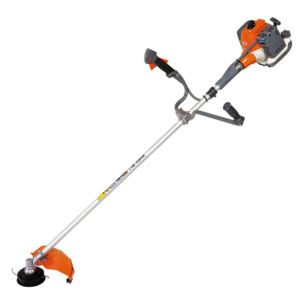
Petrol Brush Cutters
Ultimate Heavy Duty Petrol Brush Cutter – Oleo-Mac Sparta 381 T

Petrol Brush Cutters
Powerful Webb BC43 Petrol Brush Cutter – Durable & Efficient
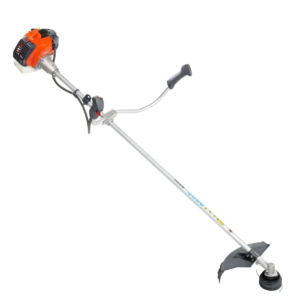

Petrol Brush Cutters
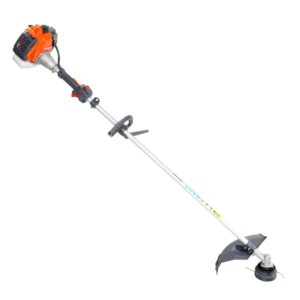
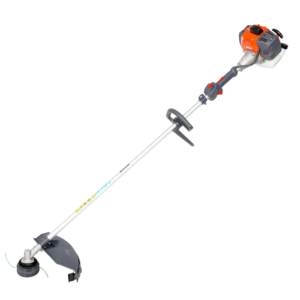
Petrol Brush Cutter Oleo-Mac BCH 250 T – best Lightweight Entry-Level
Petrol Brush Cutters
Petrol Brush Cutters
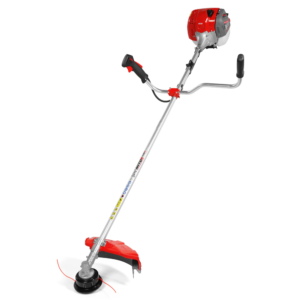
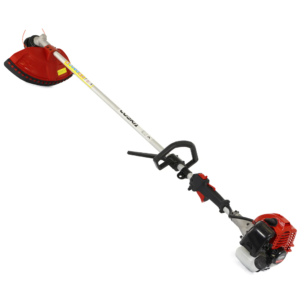
Powerful Mitox 43U-a Select Petrol Brush Cutter – Ultimate Garden Tool

Petrol Brush Cutters

Petrol Brush Cutters
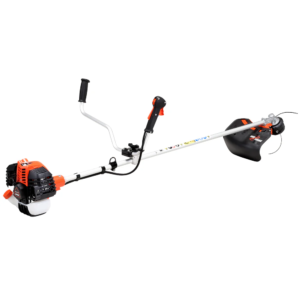
Best Petrol Brush Cutter – Echo SRM-3021TES/U X-Series for Powerful Cutting

Petrol Brush Cutters

Petrol Brush Cutters

Petrol Brush Cutters
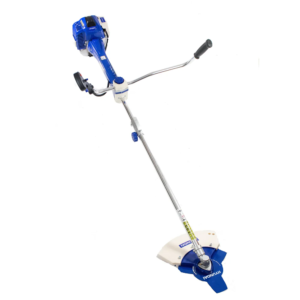
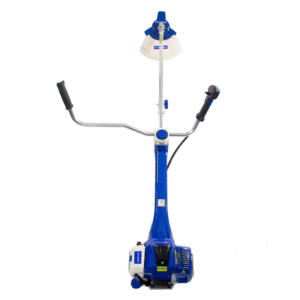
Petrol Brush Cutters
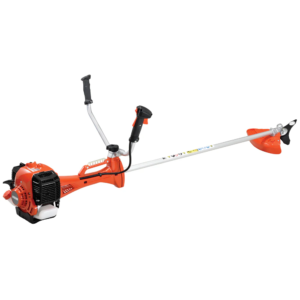

Petrol Brush Cutters
Best Petrol Brush Cutter – Echo SRM-520ES/U X-Series Powerful Cutting Tool


Petrol Brush Cutters

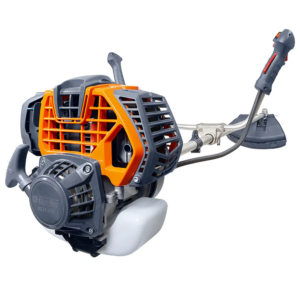
Petrol Brush Cutters
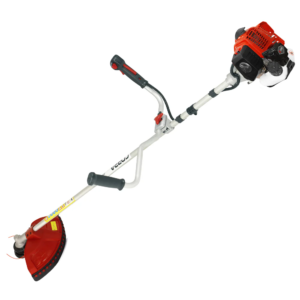
Oleo-Mac BCH 310 T – best Lightweight 4-Stroke Petrol Brush Cutter

Petrol Brush Cutters
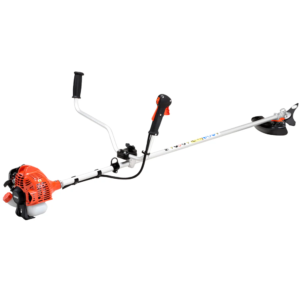
Powerful Cobra BCX370CU Petrol Brush Cutter – Ultimate Cutting Performance

Petrol Brush Cutters
Powerful Petrol Brush Cutter – ECHO SRM-237TES/U for Tough Cutting
Petrol Brush Cutters: The Ultimate Guide to the Most Powerful Cutting Tools of 2024
When thick vegetation, dense undergrowth, and overgrown terrain stand between you and a clean, well-maintained property, petrol brush cutters are the tools that get the job done. No battery limitations. No extension cords. No compromise on power. Just raw, reliable cutting performance that handles whatever your land throws at it — from waist-high weeds to woody saplings, coarse scrub grass to dense brambles.
Petrol brush cutters have been the professional landscaper’s weapon of choice for decades, and today’s residential models bring that same class of performance to everyday homeowners who need more than a standard trimmer can offer. Whether you’re clearing a neglected paddock, maintaining rough terrain around a rural property, or keeping steep embankments under control where a mower simply cannot go, a quality petrol brush cutter is quite possibly the most versatile piece of outdoor power equipment you can own.
This guide covers everything you need to make a confident, well-informed purchase. We break down how petrol brush cutters work, what separates an outstanding machine from a merely adequate one, which brands consistently deliver, and how to match the right cutter to your specific land and workload. By the time you finish reading, you’ll know exactly what to look for — and what to avoid.
What Are Petrol Brush Cutters and Why Are They the Best Choice for Heavy-Duty Cutting?
A petrol brush cutter is a powered cutting tool driven by a gasoline engine — typically a two-stroke or four-stroke motor — designed to cut through vegetation that standard string trimmers, lawn mowers, or cordless tools simply cannot handle. While a conventional grass trimmer uses a thin nylon line to flick through soft grass, a brush cutter uses significantly more aggressive cutting attachments: metal blades, carbide-tipped discs, multi-tooth saw blades, and heavy-duty nylon heads capable of tackling brush, scrub, thick weeds, and even small trees.
The petrol engine is what makes all of this possible. Unlike battery-powered alternatives that are constrained by charge capacity and voltage limits, a petrol brush cutter draws its power from fuel — meaning it can run continuously for hours without interruption, deliver consistent torque even under heavy load, and generate the raw cutting force needed for the most demanding vegetation management tasks.
This is why petrol brush cutters remain the professional standard in landscaping, agriculture, roadside maintenance, forestry, and estate management worldwide. When the work is serious, the tool needs to match.
For homeowners, the appeal is equally compelling. If your property includes rough ground, steep slopes, hedgerows, fence lines, ditches, or areas of persistent overgrowth, a petrol brush cutter transforms a laborious, multi-hour task into something manageable — often cutting the time required in half or better compared to manual alternatives.
Two-Stroke vs. Four-Stroke Petrol Brush Cutters: Which Is the Best Option for You?
One of the first decisions you’ll face when shopping for petrol brush cutters is the choice between two-stroke and four-stroke engine configurations. Both have genuine merits, and the right choice depends on how and where you’ll be using your machine.
Two-Stroke Petrol Brush Cutters
Two-stroke engines complete a power cycle with every two strokes of the piston, producing a power stroke on every revolution of the crankshaft. The result is a higher power-to-weight ratio than four-stroke designs — meaning two-stroke brush cutters tend to be lighter for their power output, which matters enormously when you’re holding and maneuvering a tool for extended periods.
Two-stroke engines also have a simpler internal design with fewer moving parts, which generally means lower initial cost and easier mechanical servicing. They can also operate in any orientation — upside down, at steep angles, or on severe slopes — without oil starvation issues, making them naturally suited to brush cutting on embankments and uneven terrain.
The trade-off is that two-stroke engines require a fuel mixture of petrol and two-stroke oil rather than straight unleaded fuel. This is a minor inconvenience for most users but requires attention — running a two-stroke engine on straight petrol without the oil mixture will damage it quickly. Two-stroke engines also produce more exhaust emissions and tend to be noisier than comparable four-stroke designs.
Two-stroke petrol brush cutters are best for: Users who prioritize low weight and maneuverability, operators who frequently work on slopes or in awkward positions, and anyone who values simpler mechanical maintenance.
Four-Stroke Petrol Brush Cutters
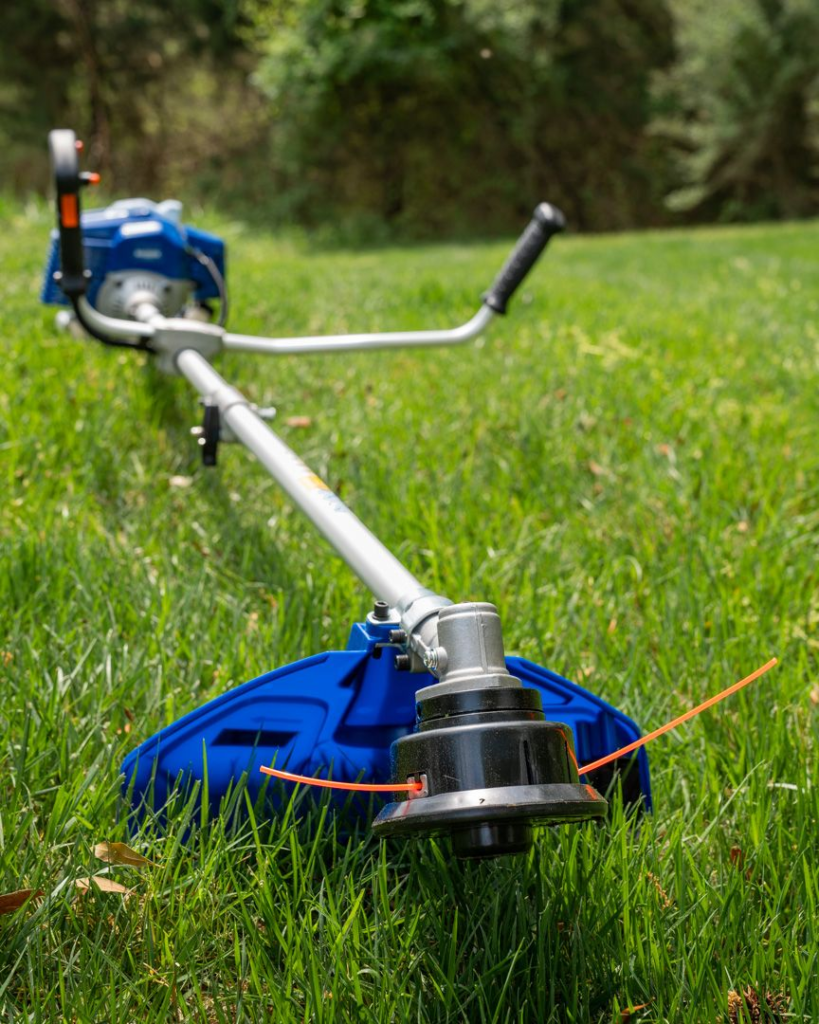
Four-stroke engines require four piston strokes to complete a power cycle and use a separate oil reservoir rather than a mixed fuel supply. They’re generally heavier and more complex than two-stroke equivalents, but they deliver more torque at lower RPMs, run significantly more quietly, produce fewer emissions, and consume fuel more efficiently.
For users who value a cleaner, quieter operation and don’t want to bother with fuel mixing, a four-stroke petrol brush cutter is an attractive option. Honda’s GX series four-stroke engines, in particular, have earned an exceptional reputation for smooth, reliable performance in brush cutter applications.
Four-stroke petrol brush cutters are best for: Users who prioritize quiet operation and fuel efficiency, those who prefer simpler fueling with straight unleaded petrol, and operators doing prolonged work sessions where lower fuel consumption is beneficial.
Key Features to Look for in the Best Petrol Brush Cutters
Shopping for petrol brush cutters requires attention to several technical specifications and practical features that significantly influence real-world performance. Here’s what to evaluate carefully.
Engine Displacement (cc)
Engine displacement is the most direct indicator of a petrol brush cutter’s power output. It’s measured in cubic centimetres (cc) and generally correlates with cutting force and the ability to sustain performance under load.
As a practical guide:
- 25–30cc: Light-duty residential use — fine for routine grass and weed management on small properties
- 30–40cc: Mid-range performance — handles most residential and light commercial applications, including moderate scrub and undergrowth
- 40–50cc: Heavy-duty performance — suited to dense brush, woody vegetation, and demanding commercial or agricultural use
- 50cc and above: Professional-grade machines for the most demanding land clearing, forestry edge work, and continuous heavy-duty use
For most homeowners dealing with tough but manageable overgrowth, a 35–43cc petrol brush cutter hits the sweet spot between usable power and reasonable weight.
Drive Shaft Configuration: Straight vs. Curved
The drive shaft transmits power from the engine to the cutting head, and its configuration affects both performance and suitability for different cutting attachments.
Straight shaft petrol brush cutters offer superior power transmission, better reach under fences and into tight corners, and compatibility with metal blade attachments — making them the preferred choice for serious brush cutting work. Professional and semi-professional users almost universally choose straight shaft models.
Curved shaft models are lighter and more comfortable for standard trimming work but have limited compatibility with heavy cutting attachments and lose some efficiency in power transfer. They’re better suited to regular grass trimming than genuine heavy-duty brush cutting.
For petrol brush cutters intended to tackle real vegetation management tasks, always choose a straight shaft model.
Harness System and Operator Comfort
A petrol brush cutter is a heavy piece of equipment — most full-size models weigh between 5 and 9 kilograms without fuel — and you’ll often be using it for extended periods. The harness system is not an afterthought. It’s a critical component that directly affects operator fatigue, safety, and productivity.
Single-shoulder harnesses distribute the machine’s weight across one shoulder and are adequate for shorter work sessions. They’re simpler and lighter but can cause shoulder fatigue and imbalance over time.
Double-shoulder (backpack) harnesses spread the load evenly across both shoulders and the back, dramatically reducing operator fatigue during prolonged use. If you expect to use your petrol brush cutter for sessions exceeding 30–45 minutes, a double-shoulder harness is a worthwhile investment.
Anti-vibration systems are another key comfort feature. Prolonged exposure to tool vibration contributes to hand-arm vibration syndrome (HAVS) over time. Quality petrol brush cutters incorporate rubber-mounted handles and engine isolation systems to minimize vibration transmission to the operator. Look for models that publish their vibration measurement data (m/s²) — lower numbers indicate better vibration management.
Cutting Attachments: Blades, Discs, and Heads
The versatility of petrol brush cutters lies significantly in their interchangeable cutting attachments. Different vegetation types require different cutting tools, and the best machines accept a wide range of head options.
Plastic line heads: Similar to those found on standard trimmers, line heads work well for soft grass and light weeds. They’re a good choice when you need to work close to hard objects like fences, walls, or tree trunks without risking blade damage.
Metal grass blades (3-tooth or 4-tooth): Designed for heavy grass, reeds, and light brush. Thin and fast, these blades handle vegetation that line heads struggle with while remaining relatively safe to use in most environments.
Metal brush blades (8-tooth to 40-tooth): Multi-tooth metal blades are the workhorses of brush cutting. 8-tooth blades handle dense grass and medium shrubs. 24–40 tooth blades cut cleanly through thick brush, brambles, and woody stems up to several centimeters in diameter.
Carbide-tipped or tungsten blades: The most aggressive option — designed for the hardest cutting tasks, including saplings, dense woody scrub, and overgrown hedgerow material. Extremely durable but requires careful handling and appropriate protective equipment.
Saw blades: Designed specifically for cutting through small trees, timber, and very dense woody material. These are specialist attachments that require additional training and protective equipment, but they transform a petrol brush cutter into a powerful land-clearing machine.
Anti-Vibration Technology
Vibration management is critical in professional-grade petrol brush cutters. Extended exposure to high-vibration tools causes lasting physical harm, and responsible manufacturers invest in meaningful anti-vibration engineering rather than simply marketing the feature.
Effective anti-vibration systems use rubber-mounted isolators between the engine/cutting head assembly and the handle assembly, absorbing vibration before it reaches the operator’s hands. Look for published vibration data (m/s²) in product specifications — anything below 3.5 m/s² on the handle is considered well-managed for professional standards.
Top Brands in Petrol Brush Cutters: Who Makes the Best Machines?
The petrol brush cutter market includes dozens of manufacturers at every price point, but a handful of brands consistently rise to the top across professional user reviews, independent testing, and long-term reliability data.
Husqvarna — The Gold Standard in Petrol Brush Cutters
Husqvarna’s brush cutter lineup is the benchmark against which most other brands are measured. Built in Sweden with decades of forestry and land management engineering behind them, Husqvarna petrol brush cutters deliver exceptional power, superb ergonomics, and long-term reliability that justifies their premium positioning.
The Husqvarna 545FX and 535LX are particularly well-regarded in the professional segment, featuring X-Torq engines that reduce fuel consumption by up to 20% while cutting exhaust emissions significantly. Husqvarna’s LowVib anti-vibration system is among the most effective in the industry, and their balance and handling characteristics set a standard that competitors work hard to match.
For homeowners willing to invest in a machine that will last a decade or more with proper care, Husqvarna petrol brush cutters are the clearest recommendation across the performance and durability spectrum.
STIHL — Professional Engineering for Serious Operators
STIHL is the world’s bestselling brand of handheld outdoor power equipment, and their petrol brush cutter lineup reflects the engineering precision and manufacturing quality that has earned that position. STIHL’s FS and FR series brush cutters span from capable residential models to full professional-grade machines used daily in commercial landscaping and forestry.
The STIHL FS 94 R and FS 131 R models are consistently praised by professionals for their power, handling, and STIHL’s ErgoStart system, which reduces the resistance during pull-starting by up to 40% — a genuinely appreciated feature at the end of a long day. STIHL also offers one of the most extensive ranges of cutting attachments and accessories in the industry, making their machines highly adaptable across different vegetation management tasks.
Honda — Four-Stroke Precision in Petrol Brush Cutters
Honda’s petrol brush cutters stand out by using their renowned four-stroke GX engines — the same powerplants that have earned Honda its extraordinary reputation for small engine reliability worldwide. Honda’s UMK series brush cutters offer quieter operation, lower emissions, and simpler fueling than two-stroke competitors without sacrificing performance on demanding vegetation.
The Honda UMK435E is a particularly strong performer, combining Honda’s 35cc GX35 engine with a straight shaft design, comfortable harness system, and compatibility with a range of cutting heads. For users who prioritize engine longevity and quiet operation alongside genuine cutting power, Honda petrol brush cutters deliver a compelling package.
Makita — Innovative Engineering Across All Power Categories
Makita brings the same engineering rigor to their petrol brush cutter lineup that has made them a trusted name across the full spectrum of power tools. Their two-stroke and four-stroke models feature efficient engines, well-designed ergonomics, and strong anti-vibration performance.
The Makita EM4351UH — powered by a four-stroke 43cc engine — is a standout in the semi-professional segment, offering strong torque, low vibration, and excellent balance that makes extended use significantly less fatiguing than many comparable machines. Makita’s build quality and parts availability make them a practical choice for homeowners and semi-professional users alike.
Hyundai — Outstanding Value in Petrol Brush Cutters
For homeowners seeking genuine petrol brush cutter performance without professional-grade pricing, Hyundai’s outdoor power equipment range represents exceptional value. Their two-stroke brush cutters — particularly the Hyundai HYB520 and related models — punch well above their price point in cutting performance and build quality.
Hyundai brush cutters are widely available through online retailers and outdoor equipment specialists, and they’re backed by solid warranty coverage and responsive customer support. If you’re entering the petrol brush cutter category for the first time and want a capable machine without a major investment, Hyundai is a brand worth serious consideration.
Best Petrol Brush Cutters by Use Case
Rather than ranking mowers arbitrarily, matching specific machines to specific use cases gives you more actionable guidance for your particular situation.
Best Petrol Brush Cutter for Large Properties and Rural Land
For expansive rural properties, paddocks, or estates where you’re clearing significant acreage of dense vegetation, you need maximum engine displacement, a robust anti-vibration system, and professional-grade blade compatibility.
Top pick: Husqvarna 545FX or STIHL FS 131 R — both deliver the power, endurance, and ergonomic design needed for full-day professional use across demanding terrain.
Best Petrol Brush Cutter for Steep Slopes and Embankments
Slopes and embankments are where petrol brush cutters have the clearest advantage over any other tool. Their power, reach, and two-stroke engine’s ability to operate at any angle make them uniquely suited to embankment management.
Top pick: Any straight-shaft two-stroke model in the 35–43cc range — Husqvarna 535LX or Honda UMK435E both handle slope work with confidence. Pair with a shoulder harness for better balance control on steep grades.
Best Petrol Brush Cutter for Homeowners and Light Land Management
For residential users dealing with tough fence lines, overgrown garden areas, or persistent patches of thick weeds and brambles, a mid-range 30–35cc two-stroke or four-stroke brush cutter is perfectly adequate — and more affordable.
Top pick: Hyundai HYB520 or Makita EM4351UH — both offer strong performance per pound spent, are comfortable to use for typical residential sessions, and accept a good range of cutting attachments for versatility.
Best Petrol Brush Cutter for Woodland and Forestry Edge Work
Woodland edge clearing and forestry work demands compatibility with aggressive saw-type blades and maximum engine output. This is specialist territory — operator training and full PPE are essential.
Top pick: STIHL FS 131 R or Husqvarna 545FX with appropriate carbide or saw blade attachments — both offer the power and build quality to handle this demanding application safely and effectively.
Safety First: Essential Guidelines for Using Petrol Brush Cutters
Petrol brush cutters are powerful tools that demand respect and proper safety practices. The rotating metal blades used in brush cutting can cause serious injury if proper precautions are not observed.
Personal Protective Equipment (PPE)
Before operating any petrol brush cutter, proper PPE is non-negotiable:
- Helmet with full face visor: Flying debris from brush cutting can cause serious eye and facial injuries at considerable distance
- Hearing protection: Petrol brush cutters produce noise levels that can cause permanent hearing damage without protection during extended use
- Cut-resistant gloves: Protect against both vibration and potential contact with cutting attachments or vegetation
- Chainsaw-grade leg protection (chaps or trousers): Essential when using metal blades or saw attachments
- Steel-toed boots: Protect feet from falling material and accidental contact with cutting heads
- High-visibility vest: Important when working near roads or in areas with other workers present
Operating Safety Practices
- Inspect the cutting area before starting — remove rocks, wire, bottles, and other debris that could be thrown by the blade
- Maintain a minimum 15-meter exclusion zone around other people when operating with metal blades
- Never operate alone in remote areas — always ensure someone knows your location and expected duration
- Secure the harness properly before starting — an unsecured machine can cause serious injury if it slips
- Never operate on slopes exceeding 30 degrees without specialized training and equipment
- Allow the engine to cool before refueling — fuel on a hot engine is a fire risk
- Use both hands on the handles at all times during operation
Maintaining Your Petrol Brush Cutter for Long-Term Reliability
A petrol brush cutter is a significant investment, and proper maintenance protects that investment while ensuring the machine performs safely and reliably every time you use it.
Before Every Use
- Check the cutting attachment for cracks, missing teeth, or damage — never operate with a damaged blade
- Inspect the fuel level and check for fuel leaks around the tank cap and fuel lines
- Check the throttle and kill switch function correctly before starting
- Inspect the harness for wear, fraying, or damaged buckles
- Verify the blade guard is securely in place
Every 25 Hours of Use (or Each Season)
- Clean the air filter — a clogged air filter starves the engine of clean air and causes rich running, increased fuel consumption, and eventual damage
- Inspect and clean the spark plug — replace if worn, fouled, or if the electrode gap has widened beyond specification
- Check and retighten all fasteners — vibration gradually loosens bolts and screws throughout the machine
- Inspect the fuel filter in the tank — replace if discolored or visibly blocked
- Lubricate the drive shaft — particularly important on longer straight-shaft models where the internal cable can wear without lubrication
Seasonal Storage Preparation
- Empty the fuel tank completely or add a quality fuel stabilizer — stale petrol is the leading cause of carburetor problems after winter storage
- Run the engine until it stops from fuel starvation to clear the carburetor of residual fuel
- Remove and clean the cutting head — store blades lightly oiled to prevent rust
- Clean the entire machine thoroughly — remove grass, soil, and debris from all surfaces
- Store in a dry, ventilated location away from direct temperature extremes
Petrol Brush Cutters vs. Other Vegetation Management Tools: How Do They Compare?
Understanding how petrol brush cutters compare to alternatives helps confirm whether this is the right tool for your needs — or whether a different machine might serve you better.
Petrol Brush Cutters vs. Battery Brush Cutters
Battery brush cutters have improved significantly and are genuinely suitable for light to medium brush cutting tasks on properties where run time is manageable. However, for serious heavy-duty vegetation management, petrol brush cutters remain superior in sustained power output, run time, and raw cutting capability through the most demanding conditions.
If your property and workload are modest — occasional light brush clearing, routine fence line trimming — a quality battery brush cutter from EGO or Husqvarna’s battery range may be entirely adequate and more convenient. If the work is serious or sustained, petrol wins every time.
Petrol Brush Cutters vs. Ride-On Mowers for Rough Ground
Ride-on mowers are excellent for large flat lawns but are entirely unsuitable for the terrain where brush cutters shine — steep slopes, ditches, tight fence lines, uneven ground, and areas with dense undergrowth. A petrol brush cutter accesses terrain that no wheeled vehicle can reach, making it genuinely irreplaceable for properties with rough or varied topography.
For homeowners who manage both open lawn areas and rough ground, the ideal setup is often a ride-on or self-propelled walk-behind mower for the flat areas — such as the Yard Force 21″ Self-Propelled RWD Walk Behind Mower available at Sam’s Club — combined with a petrol brush cutter for the rough and inaccessible areas. Together, the two tools cover every inch of your property comprehensively.
Petrol Brush Cutters vs. Flail Mowers and Tractor Attachments
Tractor-mounted flail mowers are the heavy equipment alternative for large-scale vegetation management, offering far higher throughput than any handheld tool. However, they require a tractor to operate, have no ability to navigate tight spaces, and represent a dramatically higher financial investment.
For most private landowners and homeowners, petrol brush cutters are the practical sweet spot — powerful enough to handle genuinely demanding work, maneuverable enough to reach everywhere on your property, and priced within the reach of serious homeowners and small-scale land managers.
Frequently Asked Questions About Petrol Brush Cutters
What is the difference between a petrol brush cutter and a petrol strimmer? A strimmer (or string trimmer) uses a nylon line to cut soft grass and light weeds. A brush cutter uses a more powerful engine and metal blade or disc attachments capable of cutting through thick brush, woody stems, brambles, and light saplings. Many petrol brush cutters can also be fitted with a line head for lighter trimming work, making them genuinely dual-purpose machines.
How long will a full tank of fuel last in a petrol brush cutter? Run time varies significantly by engine size, throttle setting, and vegetation density. Most petrol brush cutters will run between 45 minutes and 90 minutes on a full tank under normal working conditions. Two-stroke models tend to consume fuel faster than four-stroke equivalents, though the differences in tank capacity between models also play a role.
Are petrol brush cutters suitable for women operators? Absolutely — though weight and vibration management are important considerations. Many manufacturers now offer lighter models specifically designed with ergonomics that suit a wider range of operators. Look for models under 6 kg and prioritize excellent anti-vibration systems and double-shoulder harnesses to minimize fatigue during extended use.
Can I use a petrol brush cutter to cut small trees? With an appropriate saw blade attachment, yes — most full-size petrol brush cutters can handle saplings and small trees up to approximately 8–10 cm in diameter. This requires appropriate blade selection, full PPE, and careful technique. Never attempt to cut trees beyond the rated capacity of your specific machine or blade attachment.
What fuel should I use in a two-stroke petrol brush cutter? Use fresh unleaded petrol (ideally E10 or lower ethanol content) mixed with quality two-stroke engine oil at the ratio specified by your machine’s manufacturer — typically 50:1 (50 parts petrol to 1 part oil) for modern engines. Always mix fuel in a clean, approved container and use within 30 days for best performance. Avoid ethanol-heavy fuels, which can damage rubber fuel components over time.
Where to Buy the Best Petrol Brush Cutters
Petrol brush cutters are available through a range of retail channels, each with its own advantages depending on what you prioritize.
Specialist outdoor power equipment dealers offer the deepest product knowledge, in-store demonstrations, and genuine after-sales service — including servicing, parts, and blade sharpening. For serious users investing in premium brands like Husqvarna or STIHL, a specialist dealer relationship is genuinely valuable.
Online retailers offer the widest selection and most competitive pricing, with the convenience of home delivery. For established brands with well-documented specifications, buying online is a perfectly reasonable approach — particularly for mid-range models from Makita, Hyundai, or Honda.
Warehouse clubs and large-format retailers like Sam’s Club offer seasonal selections of outdoor power equipment at competitive membership pricing — and increasingly include walk-behind mowers and outdoor tools that complement a petrol brush cutter in a complete property management toolkit. The Yard Force 21″ Self-Propelled RWD Walk Behind Mower is a great example of the kind of quality mower you can pair alongside your brush cutter for complete lawn and land management coverage.
For curated recommendations, detailed product comparisons, and expert guidance on building the right outdoor power equipment setup for your property, visit our lawn and garden equipment shop — where we help homeowners and land managers find exactly the right tools for their specific needs and budget.
Final Thoughts: Are Petrol Brush Cutters the Right Tool for Your Property?
If your land includes rough terrain, persistent overgrowth, steep slopes, dense brush, or vegetation that a standard mower simply cannot reach, the answer is almost certainly yes — petrol brush cutters are the right tool, and investing in a quality machine will transform how you manage your property.
The key is choosing the right machine for your actual workload. Don’t over-invest in a 50cc professional machine if a 35cc residential model will handle everything you throw at it. But equally, don’t under-invest in a lightweight entry-level model and expect it to perform reliably under sustained heavy-duty use.
Match the engine size, shaft type, harness system, and blade compatibility to your terrain and vegetation — and choose a brand with a strong reputation for reliability and parts availability. Husqvarna, STIHL, Honda, and Makita lead the professional and semi-professional segments for good reason, while Hyundai and comparable brands offer genuinely capable value-tier alternatives for homeowners who don’t need to run their machine daily.
With the right petrol brush cutter in your toolkit, no part of your property needs to be a neglected no-go zone ever again.