Petrol for lawn mower performance explained in this complete lawn mowers guide covering types, maintenance, fuel efficiency, safety tips, buying advice, and expert answers to common lawn mower questions.
Petrol for lawn mower selection plays a critical role in performance, longevity, efficiency, and cost-effectiveness. When discussing lawn mowers, fuel type is often one of the most important yet misunderstood aspects of ownership. Whether you are maintaining a small residential lawn or managing large commercial grounds, understanding how petrol for lawn mower engines works can significantly influence reliability and cutting power.
Lawn mowers have evolved from simple mechanical grass cutters to advanced outdoor machines engineered for durability, precision, and environmental considerations. This comprehensive guide explores every aspect of lawn mowers, from types and features to maintenance and fuel efficiency. It also answers essential questions homeowners and professionals frequently ask before making a purchase.
Understanding Lawn Mowers: What Are Lawn Mowers and How Do They Work?
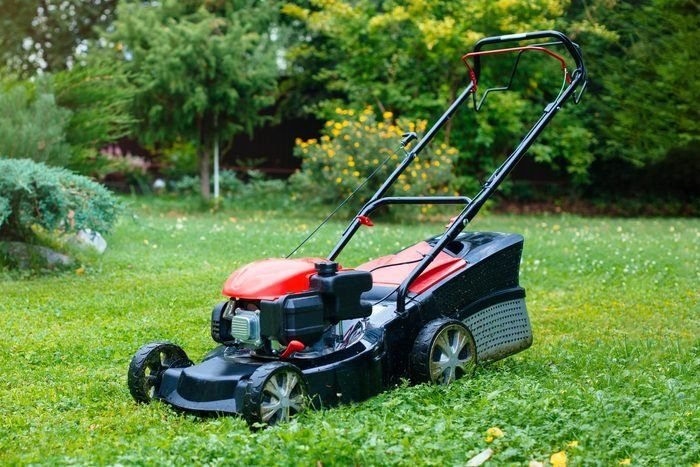
Lawn mowers are mechanical devices designed to cut grass evenly at adjustable heights. They typically use rotating blades powered by petrol engines, electric motors, or battery systems. In petrol-powered machines, petrol for lawn mower combustion engines generates power by igniting a fuel-air mixture that drives internal pistons.
What Makes Lawn Mowers Essential for Property Maintenance?
Lawn mowers help:
- Maintain visual appeal
- Improve property value
- Control weed growth
- Promote healthy grass development
- Enhance outdoor usability
Without regular mowing, lawns can quickly become overgrown and uneven.
Types of Lawn Mowers Available Today
Understanding the various types of lawn mowers helps buyers make informed decisions.
Petrol Lawn Mowers and Petrol for Lawn Mower Performance
Petrol lawn mowers remain popular due to power and mobility. Choosing the correct petrol for lawn mower engines ensures smooth startup, consistent torque, and reduced engine deposits.
Benefits of petrol lawn mowers include:
- High cutting power.thegreenreaper.co.uk
- No cord restrictions
- Suitable for large lawns
- Strong performance on thick grass
However, maintenance and fuel management are essential.
Electric Lawn Mowers
Electric lawn mowers run on direct power supply or rechargeable batteries. They are quieter and produce no direct emissions but may lack the raw power of petrol models.
Battery-Powered Lawn Mowers
Battery models combine mobility and reduced noise. They are ideal for medium-sized lawns and eco-conscious homeowners.
Riding Lawn Mowers
Designed for large properties, riding mowers offer comfort and efficiency. Some riding models also depend heavily on correct petrol for lawn mower engine performance to handle extended operation.

Petrol for Lawn Mower: Why Fuel Quality Matters
The quality of petrol for lawn mower engines directly impacts:
- Engine lifespan
- Starting reliability
- Emission levels
- Fuel efficiency
- Maintenance frequency
Using stale or contaminated petrol can cause clogging, carburetor damage, and rough operation.
What Type of Petrol for Lawn Mower Engines Is Recommended?
Most manufacturers recommend:
- Unleaded petrol
- Fresh fuel (less than 30 days old)
- Correct octane rating
- Fuel stabilizer for storage
Always consult the owner’s manual for precise recommendations.
How Does Petrol for Lawn Mower Engines Affect Performance?
Petrol for lawn mower engines determines combustion efficiency. High-quality fuel ensures complete combustion, reducing carbon buildup and improving torque output.
Can Poor Petrol Damage a Lawn Mower?
Yes. Poor petrol for lawn mower usage may cause:
- Engine knocking
- Hard starting
- Reduced power
- Carburetor blockages
- Increased maintenance costs
Proper storage of petrol is equally important to prevent degradation.
Buying Guide: How to Choose the Right Lawn Mower
What Size Lawn Do You Have?
- Electric or battery mowers are sufficient.
For medium lawns:
- Petrol models offer better range.
For large lawns:
- Riding mowers with reliable petrol for lawn mower systems provide efficiency.
What Cutting Width Should You Choose?
Wider cutting decks reduce mowing time but may limit maneuverability in tight spaces.
What Features Should You Look For?
- Adjustable cutting heights
- Self-propulsion
- Mulching capability
- Grass collection bag
- Easy-start system
Maintenance Guide for Lawn Mowers
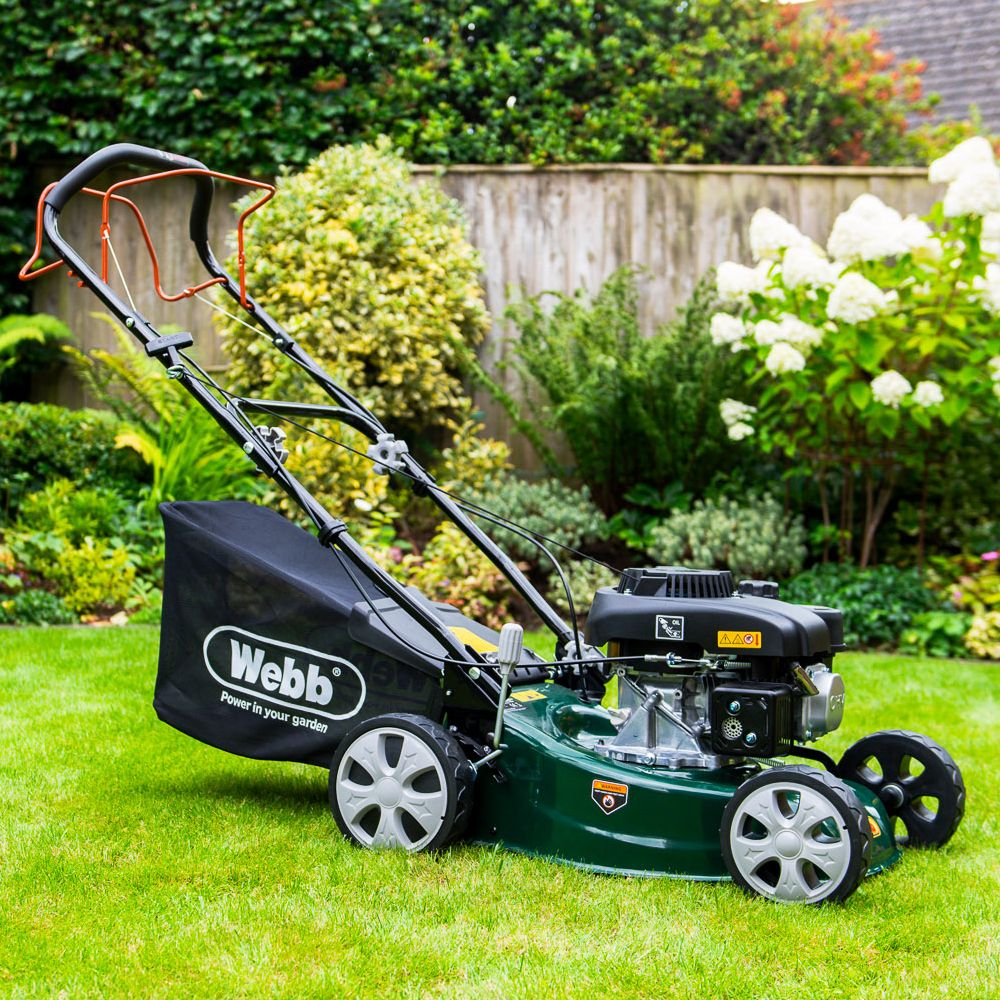
Proper maintenance extends equipment lifespan.
How Often Should You Change Petrol for Lawn Mower Storage?
Fuel should not sit unused for long periods. Old petrol for lawn mower engines can degrade and create varnish-like deposits. Use stabilizers when storing fuel for off-season periods.
Routine Maintenance Checklist
- Check oil levels
- Clean air filter
- Inspect spark plug
- Sharpen blades
- Clean deck underside
- Drain or stabilize petrol before winter
Environmental Considerations
Are Petrol Lawn Mowers Environmentally Friendly?
Traditional petrol lawn mowers produce emissions. However, improved engine technology has reduced pollution levels. Proper management of petrol for lawn mower fuel consumption can reduce waste and emissions.
Battery and electric alternatives provide quieter operation and zero direct exhaust emissions.
Safety Tips When Using Lawn Mowers
Operating lawn mowers requires attention to safety.
What Safety Precautions Should You Follow?
- Wear protective eyewear
- Clear debris before mowing
- Avoid refueling when engine is hot
- Store petrol safely
- Keep hands away from blade area
Proper handling of petrol for lawn mower fuel is essential to prevent fire hazards.

Frequently Asked Questions About Lawn Mowers
What Is the Best Petrol for Lawn Mower Engines?
Fresh, unleaded petrol with the correct octane rating is generally recommended. Avoid ethanol-heavy blends if the manufacturer advises against them.
How Long Can Petrol for Lawn Mower Be Stored?
Petrol typically remains stable for about 30 days without stabilizer. Adding fuel stabilizer extends usability.
Should You Drain Petrol for Lawn Mower Before Winter?
Yes. Draining or stabilizing petrol for lawn mower storage prevents carburetor clogging.
Are Petrol Lawn Mowers More Powerful Than Electric Ones?
In most cases, petrol mowers deliver higher torque, making them suitable for thick or wet grass.
How Often Should Lawn Mower Blades Be Sharpened?
Blades should be sharpened at least once per season or after approximately 20-25 hours of use.
Cost Considerations: Petrol vs Electric Lawn Mowers
Petrol mowers may have higher operating costs due to:
- Fuel purchase
- Oil changes
- Engine servicing
However, they often deliver superior power and durability.
Electric mowers have lower operating costs but may require battery replacement over time.
Storage and Off-Season Care
Proper storage protects your investment.
How Should You Store Petrol for Lawn Mower Fuel?
- Use sealed containers
- Store in cool, dry area
- Keep away from open flames
- Label containers clearly
Never leave untreated petrol sitting in the tank during long storage periods.
Commercial vs Residential Lawn Mowers
Commercial lawn mowers:
- Heavy-duty engines
- Larger fuel tanks
- Reinforced frames
- Optimized petrol for lawn mower combustion systems
Residential mowers prioritize affordability and ease of use.
The Future of Lawn Mowers
Technological advancements are shaping the future of lawn mowers:
- Hybrid systems
- Improved battery efficiency
- Robotic automation
- Enhanced fuel efficiency systems
- Cleaner petrol combustion engines
Even as battery technology advances, petrol for lawn mower engines continues to evolve with better emission control and efficiency.
Conclusion: Choosing the Right Lawn Mower for Long-Term Performance
Petrol for lawn mower engines remains a central consideration when selecting outdoor power equipment. From power output and durability to maintenance and storage, understanding fuel management is critical for optimal performance.
Lawn mowers are essential tools for property maintenance, landscaping, and commercial groundskeeping. Whether you choose petrol, electric, battery-powered, or riding models, informed decision-making ensures long-term reliability and satisfaction.
By evaluating lawn size, performance needs, maintenance capacity, and environmental considerations, buyers can confidently select a lawn mower that meets their expectations and delivers consistent results season after season.
Advanced Engine Mechanics: How Petrol for Lawn Mower Systems Generate Power
Petrol for lawn mower engines powers internal combustion systems that rely on a precise mixture of air and fuel. When the spark plug ignites the mixture inside the combustion chamber, it forces the piston downward, rotating the crankshaft and spinning the cutting blade. This controlled explosion occurs hundreds or thousands of times per minute, delivering the torque required to cut dense grass evenly.
Modern petrol lawn mower engines are typically either two-stroke or four-stroke designs.
Two-Stroke Engines
Two-stroke engines mix oil directly with petrol for lawn mower operation. They are lighter and simpler but may produce more emissions and require careful fuel mixing.
Four-Stroke Engines
Four-stroke engines separate oil and petrol systems. They are more fuel-efficient, quieter, and commonly used in residential and commercial lawn mowers. Choosing clean petrol for lawn mower four-stroke engines ensures smoother combustion and reduced carbon buildup.
Fuel Efficiency and Cost Management
Fuel efficiency matters for both homeowners and commercial landscapers. Poor-quality petrol for lawn mower use can reduce mileage and increase operational costs.
How Can You Improve Petrol Efficiency?
- Keep blades sharp to reduce engine strain.
- Avoid mowing overly wet grass.
- Maintain proper tire pressure on riding mowers.
- Replace clogged air filters regularly.
- Use fresh petrol for lawn mower tanks.
Efficient fuel management reduces engine wear and improves long-term savings.
Performance Comparison: Petrol vs Battery vs Electric
Is Petrol for Lawn Mower Still the Most Powerful Option?
In terms of raw torque and sustained operation, petrol-powered lawn mowers generally outperform battery and corded electric alternatives. For large properties or thick, overgrown lawns, petrol for lawn mower engines provides the stamina needed for extended sessions.
Battery models are advancing rapidly, but runtime limitations and recharge cycles still affect heavy-duty tasks.
Electric corded mowers offer convenience for small lawns but restrict movement.
Commercial Landscaping and Petrol for Lawn Mower Demands
Professional landscapers depend on reliable machinery. In commercial settings, petrol for lawn mower systems must support long hours of operation under demanding conditions.
Why Do Professionals Prefer Petrol Lawn Mowers?
- Higher engine displacement
- Greater cutting width
- Faster job completion
- Stronger torque on uneven terrain
Commercial models often include reinforced decks and larger fuel tanks to optimize petrol for lawn mower consumption across full-day operations.
Troubleshooting Common Lawn Mower Problems
Understanding mechanical issues helps extend machine life.
Why Won’t My Lawn Mower Start?
Common causes include:
- Stale petrol for lawn mower tank
- Clogged carburetor
- Dirty spark plug
- Empty fuel tank
- Blocked fuel line
Replacing old petrol for lawn mower storage and cleaning components often resolves starting issues.
Why Does My Lawn Mower Stall?
Possible reasons:
- Contaminated petrol
- Overheated engine
- Dirty air filter
- Dull blades causing strain
Routine inspection prevents these disruptions.
Blade Technology and Cutting Efficiency
The blade is the heart of a lawn mower’s function.
How Do Blade Types Affect Performance?
- Standard blades: Ideal for basic cutting.
- Mulching blades: Finely chop grass clippings.
- High-lift blades: Improve bagging efficiency.
When paired with efficient petrol for lawn mower combustion, sharp blades produce clean, even cuts that promote healthier grass growth.
Storage Best Practices for Long-Term Reliability
Improper storage shortens equipment lifespan.
What Happens If Petrol Is Left in the Tank?
Petrol for lawn mower engines can oxidize and form gum-like residues. These residues clog carburetors and restrict fuel flow.
Best practices include:
- Draining the tank
- Adding fuel stabilizer
- Running engine briefly after stabilizer addition
- Storing mower in dry area
Proper fuel care protects internal engine components.
Lawn Mowers and Grass Health
Regular mowing influences lawn quality.
How Does Proper Mowing Improve Lawn Health?
- Encourages lateral grass growth
- Reduces weed development
- Maintains consistent appearance
- Prevents pest nesting
Using well-maintained petrol for lawn mower engines ensures steady blade rotation and even trimming.
Buying New vs Used Lawn Mowers
Should You Buy a Used Petrol Lawn Mower?
Buying used equipment can reduce costs, but inspect carefully:
- Check engine compression
- Test starting reliability
- Examine petrol for lawn mower tank cleanliness
- Look for oil leaks
- Assess blade condition
A poorly maintained used mower may require costly repairs.
Robotic Lawn Mowers: Are They Replacing Petrol Models?
Robotic mowers operate automatically and use rechargeable batteries. They are ideal for small to medium lawns but may not fully replace petrol-powered machines in heavy-duty scenarios.
Petrol for lawn mower systems still dominates in large commercial and rural environments where extended runtime is necessary.
Seasonal Maintenance Checklist
To ensure consistent performance:
Spring Preparation
- Replace old petrol for lawn mower fuel.
- Check spark plug.
- Inspect blade sharpness.
Mid-Season Inspection
- Clean deck underside.
- Refill fresh petrol.
- Monitor fuel consumption.
Autumn Storage
- Drain or stabilize petrol.
- Clean and dry equipment.
- Store in sheltered space.
Frequently Asked Advanced Questions
Does Ethanol Content Affect Petrol for Lawn Mower Engines?
High ethanol blends can attract moisture and cause corrosion. Many manufacturers recommend low-ethanol petrol for lawn mower reliability.
How Much Petrol Does a Lawn Mower Consume?
Fuel consumption depends on:
- Engine size
- Cutting conditions
- Mowing duration
- Blade sharpness
Larger riding mowers consume more petrol than push models.
Can Using Premium Petrol Improve Performance?
In most residential mowers, premium fuel does not significantly increase power unless specified by the manufacturer.
Cost Analysis Over Five Years
Petrol lawn mowers may require:
- Fuel purchases
- Oil changes
- Replacement spark plugs
- Occasional carburetor servicing
However, their durability often offsets long-term expenses, particularly in high-usage scenarios.
Battery mowers reduce fuel cost but may require battery replacement within several years.
Innovations in Engine Efficiency
Manufacturers continue improving petrol for lawn mower efficiency by:
- Enhancing combustion chambers
- Improving fuel injection systems
- Reducing vibration
- Lowering emissions
These developments make petrol-powered machines cleaner and more economical than older models.
Making the Final Decision
Choosing the right lawn mower depends on:
- Lawn size
- Budget
- Power needs
- Maintenance capability
- Environmental concerns
Petrol for lawn mower considerations remain central to performance planning. For demanding mowing tasks, fuel-powered machines continue to offer unmatched torque and endurance.
Final Extended Conclusion
Petrol for lawn mower systems remains a dominant force in outdoor power equipment. While electric and battery technologies are expanding, petrol-powered lawn mowers provide the strength and reliability required for extensive properties and commercial operations.
From engine mechanics and fuel management to blade care and seasonal maintenance, understanding how lawn mowers operate ensures informed purchasing and responsible ownership. Careful handling of petrol for lawn mower engines protects mechanical integrity, reduces costs, and extends lifespan.
Whether you are a homeowner maintaining a modest yard or a landscaping professional managing expansive grounds, selecting the right lawn mower and maintaining proper fuel practices will determine long-term success.
Advanced Buying Considerations for Lawn Mowers
Selecting a lawn mower involves more than comparing price tags. Performance, durability, ease of maintenance, and long-term fuel management all contribute to overall value. For buyers considering petrol-powered machines, understanding petrol for lawn mower requirements is essential before making a final investment.
Engine Displacement and Power Ratings
Engine displacement, typically measured in cubic centimeters (cc), directly affects cutting performance. Higher displacement engines generate more torque, which is particularly useful when cutting thick, tall, or damp grass.
When evaluating petrol for lawn mower systems, consider:
- 125cc–150cc engines for small lawns
- 160cc–190cc engines for medium lawns
- 200cc+ engines for heavy-duty or commercial use
Matching engine power with lawn size ensures efficient petrol consumption and reduces unnecessary strain on the mower.
Deck Construction and Durability
The cutting deck houses the blade and determines mowing width and structural integrity.
Steel vs Aluminum Decks
Steel decks are durable and cost-effective but may rust if not maintained properly. Aluminum decks resist corrosion and are lighter but typically cost more.
Efficient petrol for lawn mower engines paired with durable decks deliver long-term reliability, especially in high-use environments.
Self-Propelled vs Push Lawn Mowers
What Is a Self-Propelled Lawn Mower?
Self-propelled models use engine power to drive the wheels forward. This reduces operator fatigue, particularly on slopes or uneven terrain.
Petrol for lawn mower self-propelled systems must deliver steady torque to maintain consistent speed under load.
Are Push Mowers Better for Small Lawns?
Push mowers are lighter, simpler, and more affordable. They are suitable for flat, compact lawns where advanced propulsion is unnecessary.
Transmission Systems in Lawn Mowers
Transmission systems determine how power transfers from the engine to the wheels.
Single-Speed Transmission
Provides consistent forward movement but limited flexibility.
Variable-Speed Transmission
Allows adjustment based on walking pace and terrain.
A well-maintained petrol for lawn mower engine ensures smooth transmission operation and prevents jerky movement.
Mulching, Bagging, and Side Discharge Options
Modern lawn mowers often provide multiple grass management options.
What Is Mulching?
Mulching finely chops grass clippings and redistributes them onto the lawn. This recycles nutrients back into the soil.
Proper petrol for lawn mower combustion ensures sufficient blade speed for effective mulching.
What Is Bagging?
Bagging collects clippings into a removable container for disposal. It provides a clean finish but requires frequent emptying.
What Is Side Discharge?
Side discharge releases clippings onto the lawn. It is suitable for large areas where appearance is less critical.
Noise Levels and Vibration Control
Petrol lawn mowers typically produce more noise than electric models.
How Can Noise Be Reduced?
- Use well-maintained mufflers
- Avoid over-revving engine
- Keep blades balanced
- Use fresh petrol for lawn mower combustion
Excess vibration may indicate dull blades or uneven engine mounting.
Climate Considerations for Lawn Mower Performance
Weather and temperature affect performance.
How Does Heat Affect Petrol Engines?
Extreme heat can increase fuel evaporation. Using fresh petrol for lawn mower systems prevents vapor lock and starting issues.
How Does Cold Weather Impact Starting?
Cold temperatures may thicken engine oil and reduce combustion efficiency. Storing petrol properly and using recommended fuel grades improves cold starts.
Long-Term Cost of Ownership
When calculating total ownership cost, include:
- Initial purchase price
- Annual petrol expenses
- Oil changes
- Spark plug replacements
- Blade sharpening
- Potential carburetor cleaning
While petrol lawn mowers require ongoing fuel costs, their durability and power often justify long-term investment for large properties.
Lawn Mower Safety Regulations and Compliance
Many regions regulate emissions and safety standards for outdoor power equipment.
What Safety Features Should You Look For?
- Automatic blade stop
- Operator presence control
- Heat shields
- Protective guards
Safe handling of petrol for lawn mower storage is equally important to prevent fire hazards.
Professional Maintenance vs DIY Servicing
Some owners prefer servicing their lawn mowers themselves, while others rely on professional technicians.
When Should You Seek Professional Help?
- Persistent starting problems
- Smoke from exhaust
- Fuel leaks
- Engine knocking sounds
Incorrect handling of petrol for lawn mower fuel systems can cause mechanical damage if not addressed properly.
Lawn Mowers and Sustainability
Environmental concerns influence purchasing decisions.
Are Petrol Lawn Mowers Becoming Obsolete?
While battery technology continues to improve, petrol-powered models remain essential for heavy-duty applications. Innovations in petrol for lawn mower combustion systems have reduced emissions and improved fuel efficiency compared to older models.
Hybrid systems may bridge the gap between power and sustainability in the future.
Commercial Fleet Management
Landscaping businesses often manage multiple machines.
How Do Companies Optimize Fuel Use?
- Schedule regular engine maintenance
- Track petrol consumption
- Use standardized fuel storage systems
- Train operators on efficient mowing techniques
Careful management of petrol for lawn mower fleets improves profitability.
Common Myths About Lawn Mowers
Myth 1: Premium Petrol Always Improves Performance
Most standard engines do not require premium-grade petrol unless specified by the manufacturer.
Myth 2: Electric Mowers Fully Replace Petrol Models
Electric models are excellent for smaller properties, but petrol for lawn mower systems remains superior for high-demand conditions.
Myth 3: Lawn Mowers Require Minimal Maintenance
Neglecting oil, blades, or fuel quality leads to premature engine wear.
Step-by-Step Lawn Mowing Best Practices
- Inspect mower before use.
- Ensure tank contains fresh petrol for lawn mower operation.
- Adjust cutting height based on grass length.
- Mow in overlapping passes for even coverage.
- Clean deck after mowing.
Consistent habits maximize performance and longevity.
Extended FAQ Section
How Often Should Petrol Be Replaced?
Petrol for lawn mower tanks should be replaced if older than 30–60 days without stabilizer.
What Happens If You Overfill the Tank?
Overfilling may cause fuel spillage or pressure imbalance, leading to starting difficulties.
Why Does My Lawn Mower Emit Black Smoke?
Black smoke often indicates excessive fuel mixture or dirty air filter. Check petrol quality and carburetor settings.
Can Water Contaminate Fuel?
Yes. Water in petrol for lawn mower systems leads to sputtering and misfires.
The Evolution of Lawn Mower Technology
Since early manual reel mowers, technology has advanced significantly.
Modern petrol lawn mowers now feature:
- Automatic choke systems
- Improved recoil starters
- Reduced vibration engines
- Fuel-efficient carburetors
The integration of advanced petrol for lawn mower engineering continues to enhance reliability.
Final Comprehensive Summary
Petrol for lawn mower systems remains a central pillar in outdoor power equipment. While battery and electric alternatives expand in popularity, fuel-powered machines offer unmatched torque, endurance, and reliability for large or demanding mowing tasks.
Choosing the right lawn mower requires evaluating lawn size, terrain type, budget, maintenance capacity, and fuel preferences. Proper storage and handling of petrol ensure consistent performance and protect engine integrity.
From mechanical fundamentals and buying strategies to maintenance, troubleshooting, and sustainability considerations, understanding lawn mowers at a deeper level empowers homeowners and professionals alike.
Well-maintained equipment combined with responsible petrol for lawn mower management results in efficient operation, extended lifespan, and superior lawn quality season after season.